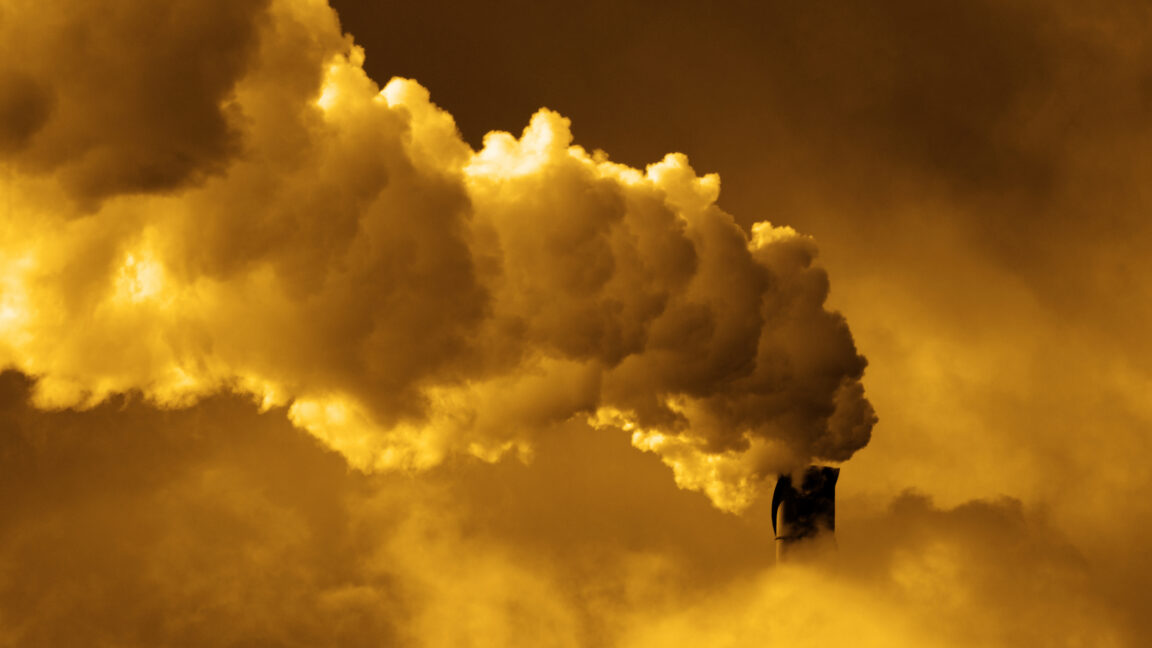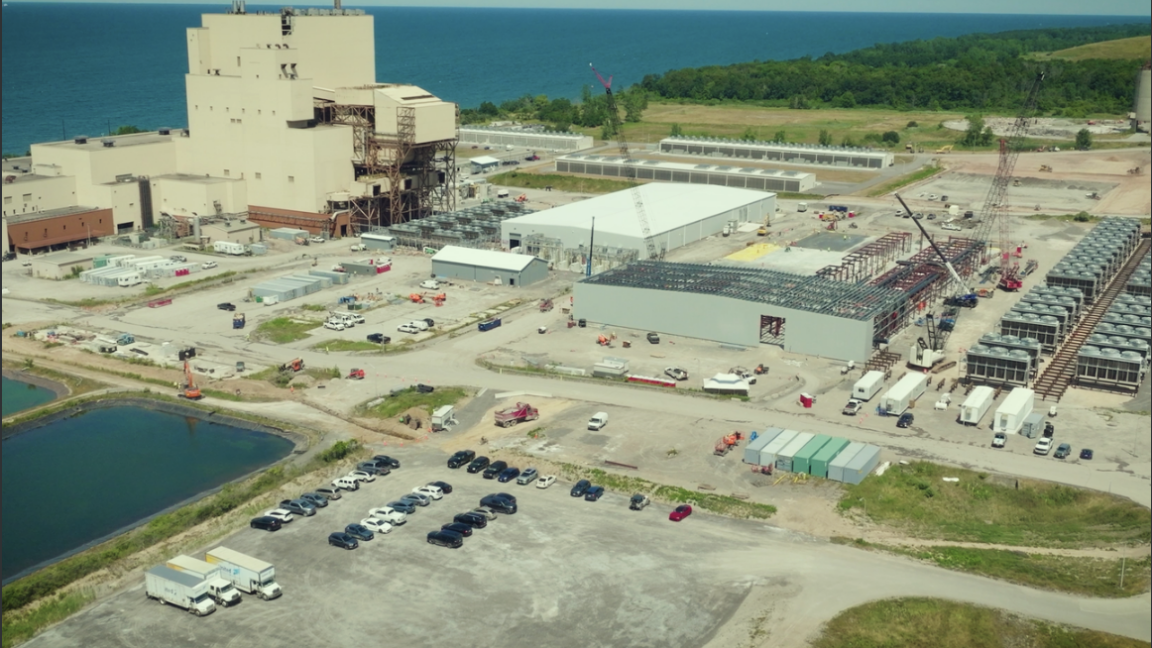
A June fire at the Lake Mariner data center in Somerset, New York, revealed a shocking lack of basic safety infrastructure at one of the state’s most ambitious AI projects. When the Barker Fire Department arrived at the still-unfinished building, they found no working alarms, no suppression systems, and three dead hydrants. Chief Steve Matisz described his crew as going in “kind of blind,” battling heavy black smoke from unidentified chemicals because the required safety documents had reportedly burned up in the blaze. The incident exposes a dangerous gap between the rapid pace of AI infrastructure expansion and local emergency preparedness.
The stakes are high for this $3.2 billion campus, which sits on a former coal mine on Lake Ontario. The project involves a complex web of major tech players: TeraWulf owns and operates the facility, UK-based Fluidstack will run it, Google holds warrants for a 14 percent equity stake, and Anthropic is a key customer driving compute demand. Despite this heavyweight backing, the physical safeguards failed when tested. Matisz expressed skepticism about the claim that safety sheets were destroyed in the fire, noting that such critical documents should have redundant storage or digital backups accessible to first responders.
TeraWulf stated it is responsible for operational safety and claimed to have implemented Knox boxes, additional hydrants, and safety data sheet “go-bags” after an after-action review. However, ground reality tells a different story. As of mid-August, Chief Matisz reported that while a Knox box representative had visited, the hydrants remained dry. “I haven’t seen work done on them,” he said. This disconnect suggests that corporate assurances may not align with on-the-ground fixes, leaving local firefighters vulnerable.
This isn’t just a local oversight; it’s a warning sign for the broader AI buildout. As companies race to secure compute power, physical safety protocols risk becoming an afterthought. If a $3.2 billion facility backed by Google and Anthropic can’t keep hydrants pressurized, what does that say about smaller, less scrutinized projects? The industry needs to prove it can manage physical risks as adeptly as it manages algorithmic ones.