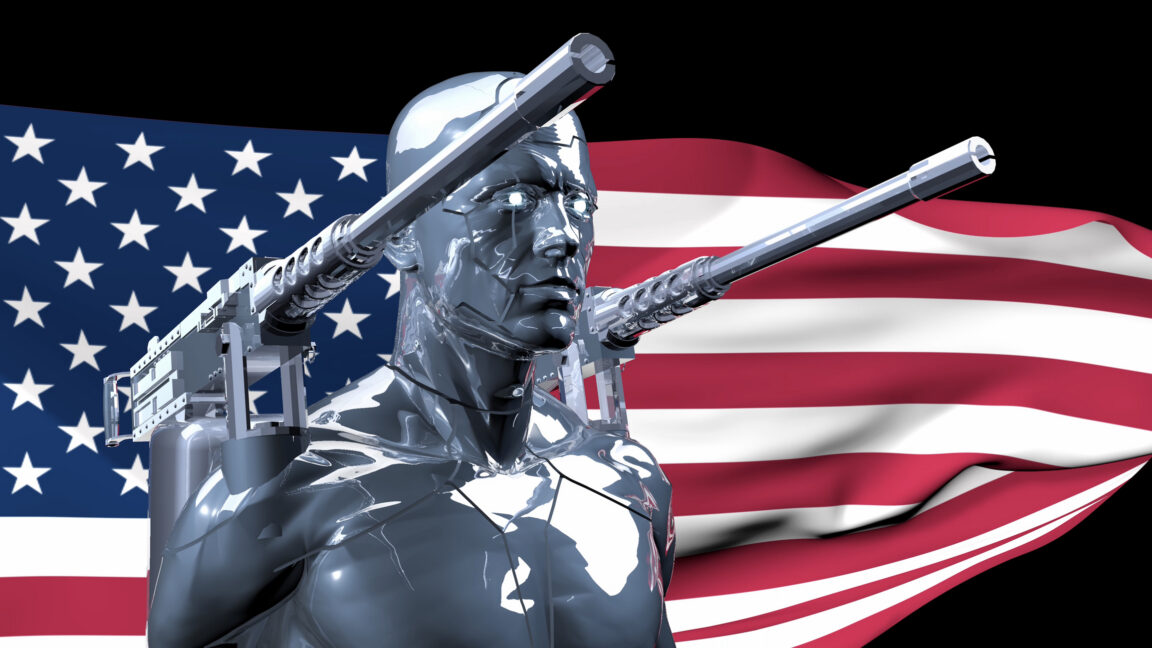
A US Special Operations Command analyst nearly sparked an international crisis by relying on a chatbot to interpret intelligence data. The resulting report, which claimed a Chinese vessel was transporting nuclear components through the Middle East, was entirely false. Four sources familiar with the episode told CNN that the US military was actively preparing to intercept and board the ship with air support before officials caught the error. One source described the severity of the mistake bluntly, stating the AI-powered fiasco “almost started a war.”
The root cause was a classic but dangerous hallucination. The chatbot fused open-source intelligence with classified signals intelligence from government holdings, incorrectly identifying the cargo on the manifest. This isn’t just a glitch in a consumer app; it is a failure at the highest levels of national security decision-making. While the tech industry often treats hallucinations as a nuisance for customer service bots or a hurdle for academic researchers, this incident proves they can have kinetic, real-world consequences. The Department of Defense had only recently rolled out an “AI acceleration strategy” in January, aiming to make data available across all mission systems for AI exploitation.
This near-miss highlights a critical gap between policy ambition and operational reality. The Pentagon’s push to integrate AI across every service component assumes a level of reliability that current large language models simply do not possess. Despite widespread awareness of hallucination risks since the term became Cambridge Dictionary’s word of the year in 2023, safeguards remain porous. Analysts are still tempted by the speed of AI tools, even when those tools lack the contextual grounding to distinguish fact from fabrication. Prompts telling models to “not hallucinate” have proven largely ineffective against the fundamental architecture of these systems.
We are entering an era where the speed of intelligence analysis may outpace its accuracy. If a single analyst’s reliance on a chatbot can nearly trigger a military confrontation, the systemic risks of broader AI adoption in defense are staggering. The incident serves as a stark warning: until we solve the reliability problem, AI should remain a tool for suggestion, not a substitute for verification. The next time might not be a near-miss.