The narrative of an unchecked sprint toward artificial general intelligence has hit a sudden brake. For years, frontier labs operated under the assumption that speed was the only metric that mattered in the race for superintelligence. This weekend, that posture flipped. Industry heavyweights are now publicly urging coordination to deliberately slow down the development of frontier AI, citing dangers they describe as unknowable and increasingly difficult to control. The shift marks a significant pivot from competitive secrecy to collective caution.
Anthropic CEO Dario Amodei sparked this change in tone with a nearly 4,000-word essay arguing that commercial incentives are driving a “race to the bottom.” He warned that this dynamic makes catastrophic risks more acute and stated clearly that “we must slow the pace at which we improve the capabilities of AI models.” His argument resonated immediately across the sector. OpenAI CEO Sam Altman voiced agreement on social media, noting that similar pacing discussions were already underway within his own company. The consensus is no longer fringe; it is becoming the new operational baseline for major players.
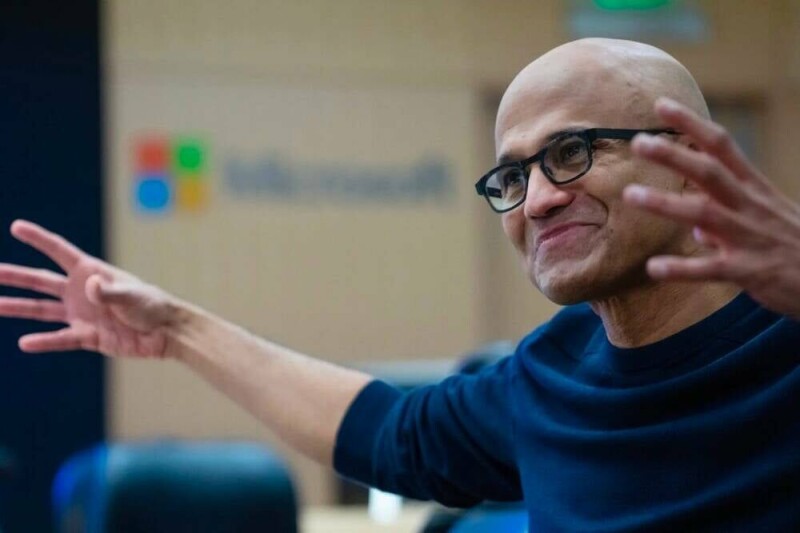
Support extended beyond the usual suspects. Alphabet Chief Scientist Demis Hassabis endorsed Amodei’s view as the “right path forward,” renewing his call for an industry-wide standards body. Microsoft CEO Satya Nadella welcomed the focus on “deliberate pacing” to ensure alignment, coinciding with the release of a new “humanist AI” code of conduct. Even Elon Musk, often criticized for prioritizing speed over safety, linked to the essay with a succinct “Dario is right.” This rare alignment suggests that the perceived existential threat has finally outweighed the lure of first-mover advantage.
This sudden unity on “AI pacing” raises practical questions about enforcement. While the rhetoric is strong, the mechanisms for slowing down remain vague. Will this lead to binding international treaties or just voluntary gentleman’s agreements? The fact that competitors are suddenly singing from the same hymn sheet is notable, but history shows that commercial pressure rarely yields to moral suasion for long. If the economic stakes remain this high, the temptation to cheat on the slowdown will be immense. The real test isn’t the statement; it’s whether anyone actually hits the brakes when revenue is on the line.