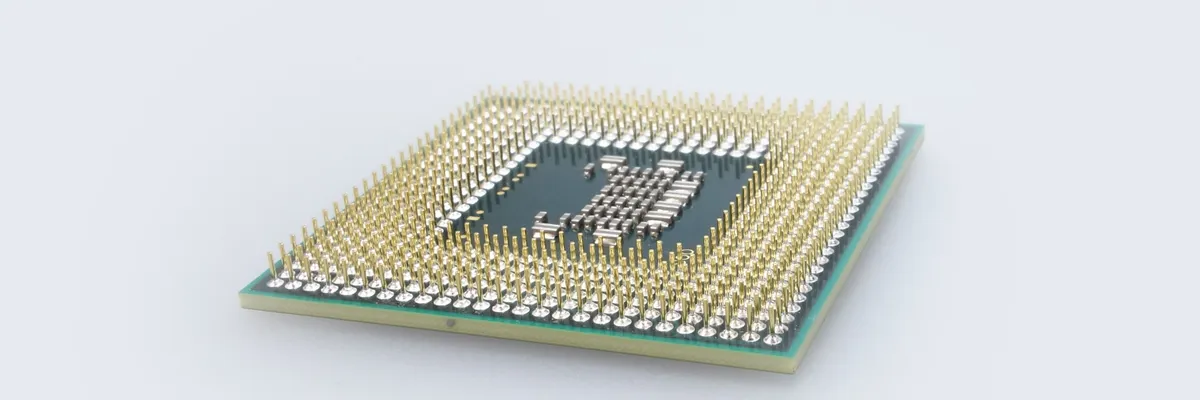
The era of AI labs simply renting their way to scale is ending. Anthropic has confirmed it is assembling a dedicated custom silicon team to co-design chips specifically for its Claude models, a strategy first flagged by Business Insider. The move is a direct admission that buying time on other people’s hardware isn’t enough when you are racing to serve a rapidly swelling user base.
The company already has a dense web of infrastructure deals with AWS, Google, Nvidia, and AMD. But depending on a patchwork of general-purpose accelerators introduces bottlenecks. By controlling both the model architecture and the underlying silicon, Anthropic aims to squeeze out latency and burn less cash per token served. It’s the same playbook we’ve seen from Meta with its MTIA accelerators and Google DeepMind’s long-standing reliance on homegrown TPUs.
Anthropic’s edge might come from its willingness to look beyond traditional data-center stalwarts. Reports last month suggested the company is scouting Samsung as a fabrication partner, hinting at a desire to diversify away from the TSMC-dominated supply chain that has left other chip designers waiting in line. A job listing for the nascent “custom silicon team” specifically seeks engineers with deep chip design experience, signaling this isn’t a mere speculative skunkworks project.
Perhaps the most telling signal is the timeline. This isn’t a distant research goal. It arrives just months after OpenAI revealed its own Broadcom-built “Jalapeño” chip for inference workloads. The inference arms race is no longer just about bigger models. It’s about cheaper, faster, and more reliable hardware at the exact moment Nvidia’s H100s remain a finite resource. Anthropic’s bet is that vertical integration, however painful and expensive, beats standing in line for someone else’s silicon.