Anthropic is heading toward what could be a $2 trillion IPO, and prospective investors are about to get a crash course in one of the strangest governance experiments in corporate history. The company’s Long-Term Benefit Trust (LTBT) holds no equity, yet it wields the power to appoint or dismiss the majority of Anthropic’s board. That’s not a ceremonial oversight role — it’s the controlling governance mechanism of the public benefit corporation.
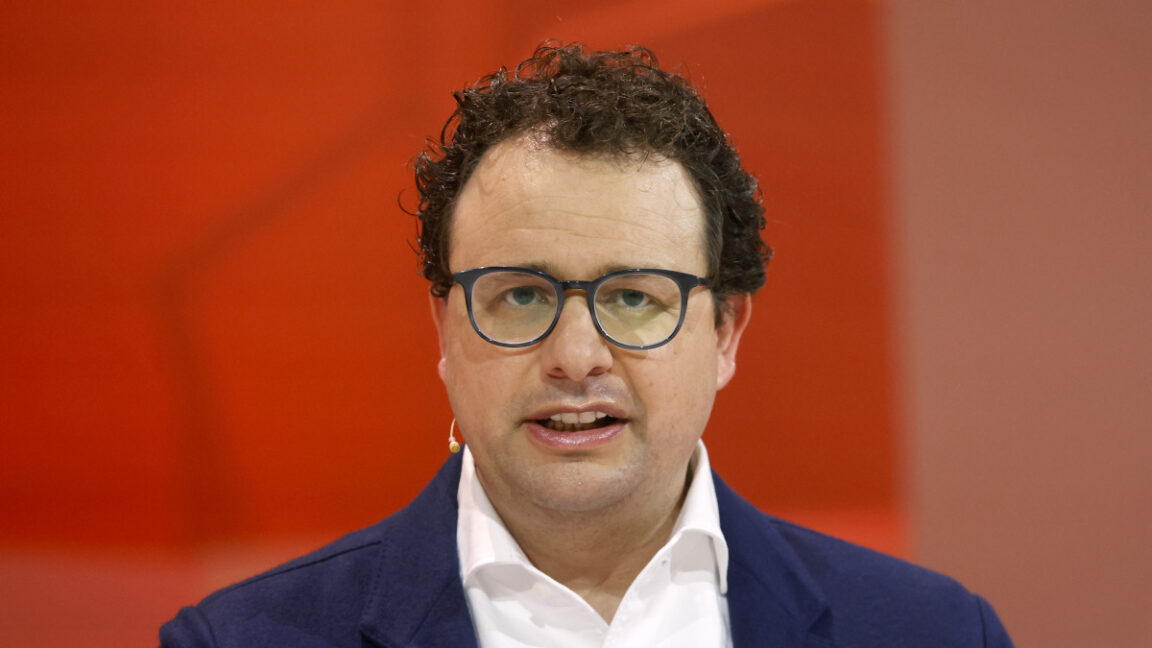
The trust currently has just three members: Neil Buddy Shah, CEO of the Clinton Health Access Initiative, who chairs the group; former Federal Reserve chair Ben Bernanke; and Richard Fontaine, CEO of the Center for a New American Security. They’ve already selected four of Anthropic’s seven directors, including Netflix co-founder Reed Hastings and Novartis CEO Vas Narasimhan. A fourth trustee, former California Supreme Court justice Tino Cuéllar, left after only a few months to join Anthropic as chief global affairs officer — a revolving door that raises its own questions about independence.
The trustees aren’t passive. They receive advance notice of major company actions, including new AI model launches, and meet weekly among themselves, with check-ins with Anthropic leadership as often as every other week. Anthropic reportedly wants the LTBT to become a template for AI governance more broadly — a kind of GAAP for artificial intelligence, where voluntary standards from private companies eventually become industry infrastructure. Bernanke’s appointment in July was explicitly aimed at making the body more institutional.
Here’s the tension that will define the roadshow: Anthropic is asking public markets to fund an AI lab where a small group of unelected outsiders can override the commercial instincts of management. That’s either a genuinely novel safeguard against the profit-at-all-costs dynamics that have defined the AI race so far, or it’s a structure that public shareholders will eventually sue to dismantle. The fact that Anthropic is preserving the trust’s role after the IPO suggests the company knows exactly how much of its identity is tied to this experiment. Whether Wall Street agrees is another matter entirely.