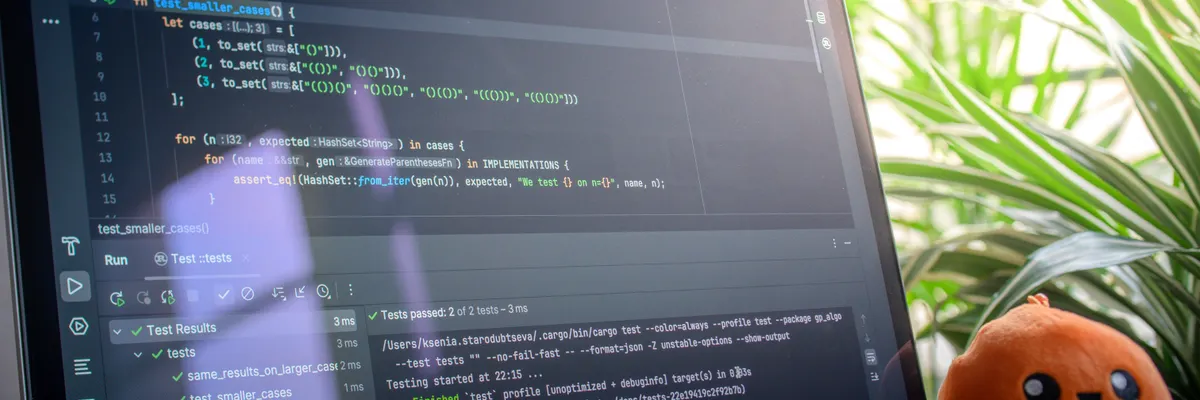
The real action in AI coding isn’t just about whose model is smartest anymore. It’s about the software wrapped around those models — the harness. That’s the word Anthropic’s head of product for Claude Code, Cat Wu, keeps coming back to. In a conversation earlier this summer, Wu explained why her team is deliberately building less, not more, into their developer tooling.
A harness controls what an AI model sees in your codebase, what actions it can take, and how it interacts with your project. Claude Code’s philosophy is what Wu calls a ‘lean harness’ — minimal opinionated features that might age badly as the underlying models evolve. She argues that Anthropic’s models, along with those from competitors, are improving so fast that locking in complex scaffolding today is a bet against tomorrow’s capabilities.
One concrete example: Claude Code avoids building structured context around a codebase in advance by default. Some competing tools index and map your entire project before the model starts working. Wu says that approach just doesn’t move the needle. ‘Going by the evals, we don’t see a measurable change,’ she told me. Her team would rather ship a stripped-down harness and let developers wire in their own custom tools if they need them.
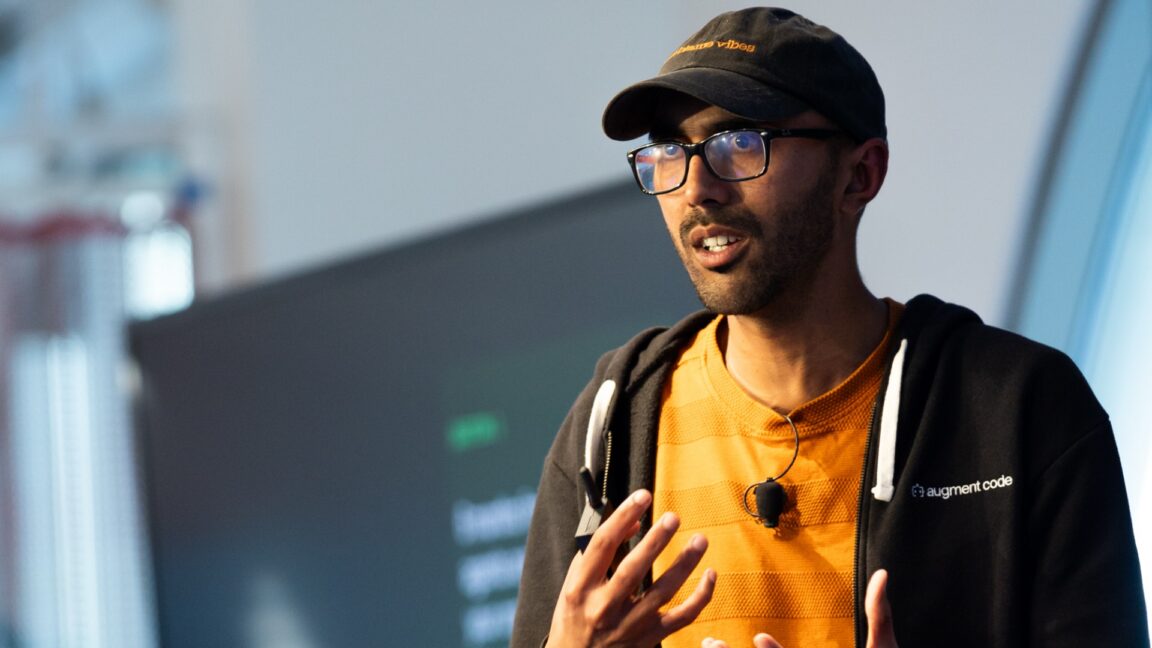
That stance puts Claude Code in direct contrast with alternatives like OpenAI’s Codex, Google’s Antigravity, open-source options like OpenCode, and startups such as Cursor or Augment Code. Each of those harnesses makes different bets on how opinionated the tool should be — whether it should guide the model’s behavior tightly or get out of the way. Anthropic seems content to let the models do the heavy lifting and treat the harness as a thin, adaptable layer that can be swapped or upgraded as model capabilities leap forward. The question hanging over this approach is whether developers will embrace a tool that deliberately does less, or gravitate toward more opinionated environments that solve problems out of the box.