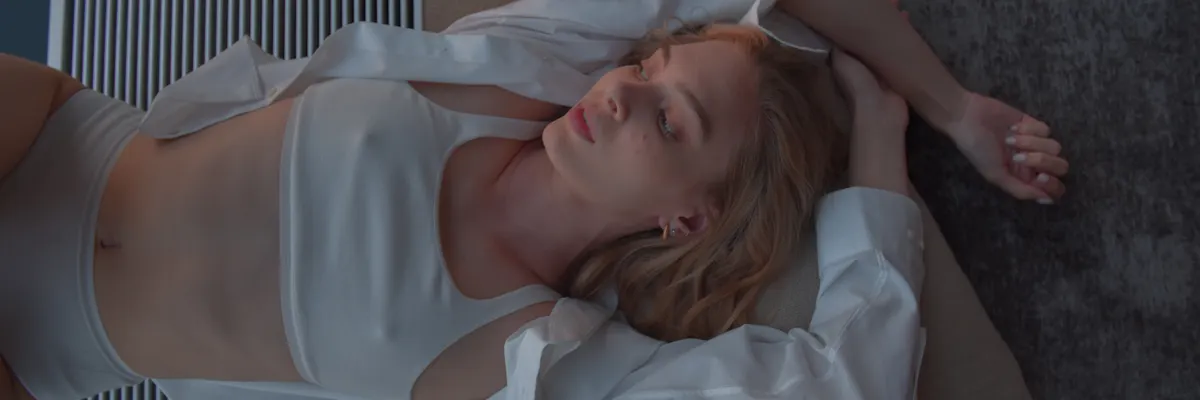
Neill Blomkamp unveiled a 13-minute sci-fi short called Nightborne on Monday, and it’s a grim watch — not because of the weaponized zombie soldiers, but because it’s almost entirely hollow. The project comes from Barley Studios, Blomkamp’s new AI production company, and was built using ByteDance’s Seedance 2.0 text-to-video generator. Every single shot is AI-generated, though Blomkamp notes that 32 human actors agreed to have their likenesses used and “real concept artists” contributed. The result is a loosely adapted chunk of Peter Watts’ novel Echopraxia that plays like a slickly edited demo reel masking a fundamental emptiness.
Blomkamp called it a “test start” and says he wants to tackle a full feature in this format. That ambition feels wildly premature. Editor Austyn Daines cuts frantically between zombie POV shots and talking-head interviews, a structuring trick designed to hide the fact that Seedance 2.0 can only spit out a few seconds of video at a time. The dialogue has the uncanny cadence of people who don’t understand their own words, and background signs dissolve into gibberish — the classic fingerprints of generative AI that no amount of post-production can fully scrub.
Here’s the real problem: Blomkamp’s directorial voice is missing in action. This is the filmmaker who gave us the sharp, VFX-driven apartheid allegory Alive in Joburg before expanding it into District 9. Nightborne has none of that personality. If Seedance 2.0 weren’t powering the visuals, nobody would be talking about this. The short joins a growing pile of filmmaker-led AI experiments — like Jia Zhangke’s Dance and Ruairí Robinson’s viral Tom Cruise deepfake brawl — that prove traditional directors can downplay a model’s technical limits but can’t inject soul where none exists.
The backlash was immediate. Viewers called the short a sign that Blomkamp is washed, and it’s hard to argue. Seedance 2.0 might simulate a human emoting, but it has no grasp of the microscopic tensions that make a performance breathe. Whatever flicker of life you see is just a statistical reflection of its training data. Text-to-video models are getting more sophisticated, sure, but sophistication isn’t artistry. Nightborne makes that gap painfully obvious.