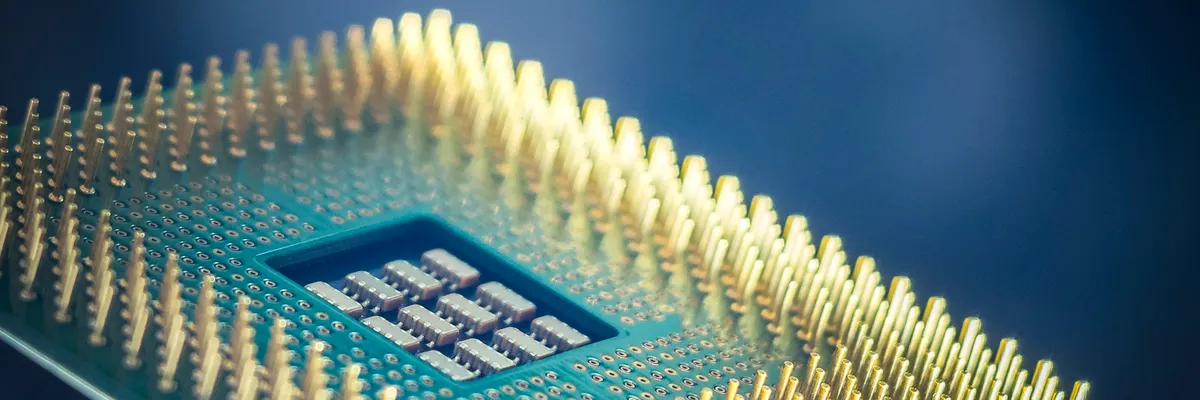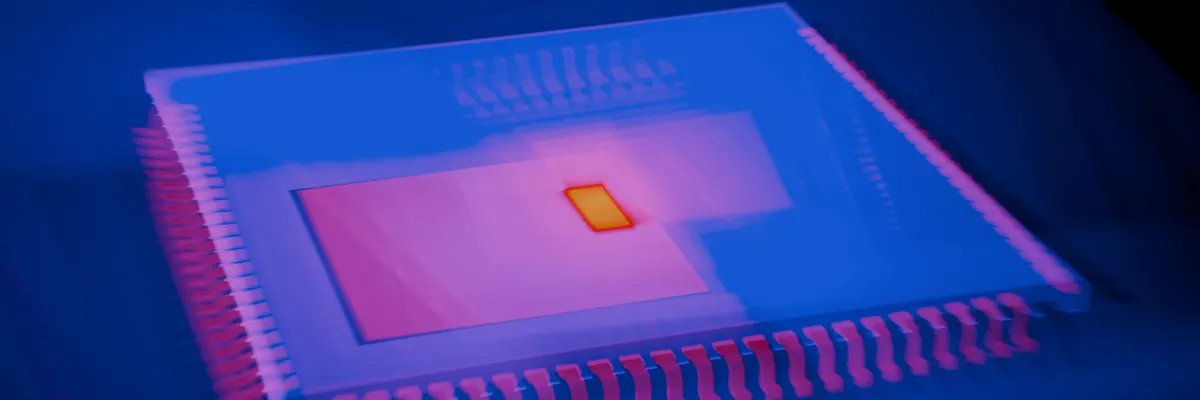
Etched, the AI chip startup founded by three Harvard dropouts, just closed a $300 million Series C led by Sequoia, doubling its valuation to $10.3 billion in seven months. COO Robert Wachen says it’s the highest valuation ever for a Sequoia-led Series C, and the company has already booked $1 billion in orders.
The company designs systems—not just chips—to accelerate inference, the computing that happens after you hit “enter” on a prompt. Wachen says they attacked the problem in two stages. For the compute-heavy “prefill” phase of understanding a prompt, Etched built a chip running at “dramatically” lower voltage, reducing heat and letting them pack in more transistors. For the memory-intensive “decode” phase that generates your answer, they created something called cluster-scale memory, linking many chips into a shared, low-latency pool. The pitch: faster tokens, lower bills.
Skepticism has dogged the company since 2022, when the idea of building silicon specifically for transformer models seemed like a reckless bet. Wachen pushes back on the perception that their systems are locked to particular LLMs. He says they can run any model, including Mixture of Experts architectures like DeepSeek’s and even non-transformer designs like Mamba. Google is reportedly chasing a similar concept with its Frozen v2 chip for Gemini, suggesting the approach isn’t so fringe anymore.
The startup’s celebrity backers—Andrej Karpathy, Noam Brown, Geoffrey Hinton—didn’t just write checks. They tried the hardware. Private demos in Etched’s office converted many of them. Still, Wachen is candid about the grind ahead. The company now has 400 employees and just opened an 80,000-square-foot facility in Milpitas, but he remembers sleeping on a friend’s floor with a towel for a blanket after dropping out of Harvard, and a garage server setup where reboots meant calling an early employee’s wife. The $10.3 billion valuation is real, but so is the gap between shipping test systems and delivering at scale.