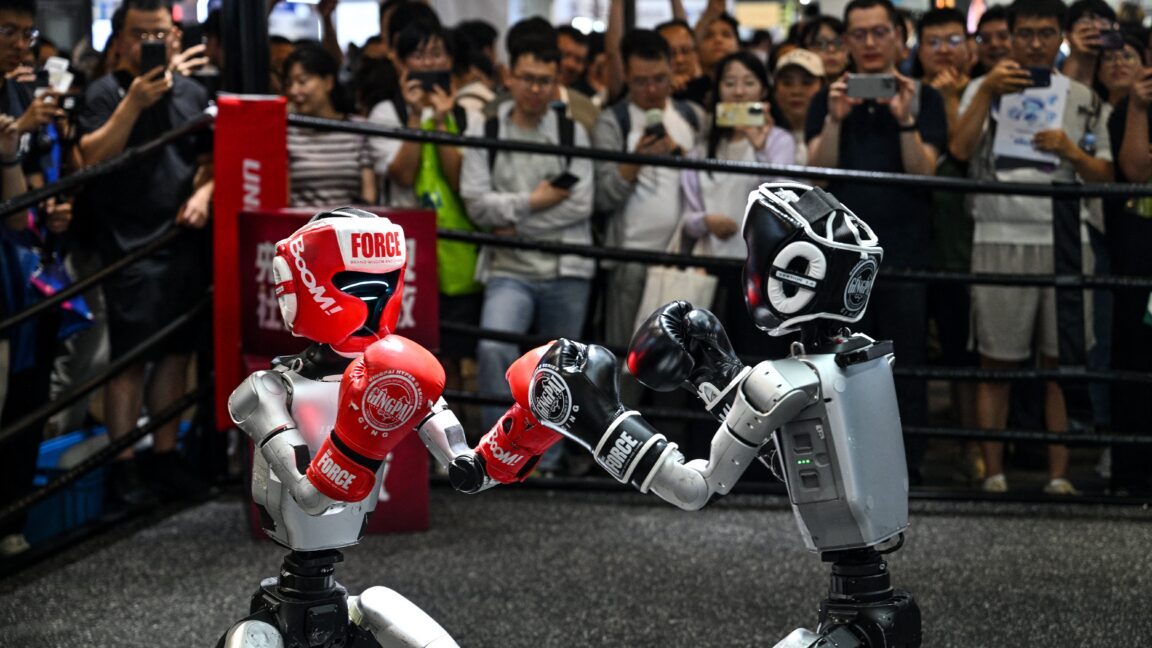
The FCC just dropped a hammer on foreign-made robots — and it’s a lot broader than you might think. On July 28, the agency added “foreign-produced advanced robotic devices” to its Covered List, effectively banning their import by labeling them an “unacceptable risk to the national security of the US.” The move, driven by a White House-convened interagency body, explicitly targets mechanical mobile devices that can move on the ground autonomously or via remote control. That sweeps up everything from Chinese-made humanoids like Unitree’s lab-friendly models to the latest robo-vacuums from companies like Roborock.
The ban’s technical definition is where it gets really interesting — and really wide. To be considered “advanced,” a robot needs sensors, network connectivity above 200 kbps in either direction (think Bluetooth or satellite), and either onboard or cloud-based AI software. That’s a spec sheet that covers a massive chunk of the modern consumer and research robotics market. The FCC justified the action by pointing to previously uncovered cybersecurity vulnerabilities in Chinese-made robots, essentially arguing that any connected, sensor-laden machine from abroad is a potential spy that can physically roam your home or lab.
Here’s the kicker: the FCC didn’t cook this up on its own. By law, the agency can only update the Covered List at the direction of a “qualifying national security authority,” which in this case was an executive branch interagency group packed with national security agencies. This isn’t a rogue regulatory action; it’s a coordinated shot from the Trump administration that frames advanced robotics as a national security frontier alongside telecom gear. The legal framework forces the FCC’s hand, making the ban a direct reflection of White House threat assessments.
What gets lost in the geopolitical signaling is the practical gut punch to affordability and access. US research labs that rely on relatively low-cost Unitree humanoids for experimental surgeries now face a supply freeze. Everyday consumers eyeing the newest mapping robot vacuums from Chinese brands are staring down a market with fewer, pricier options. The list of foreign-made robots that slip through this net is getting very short, very fast.