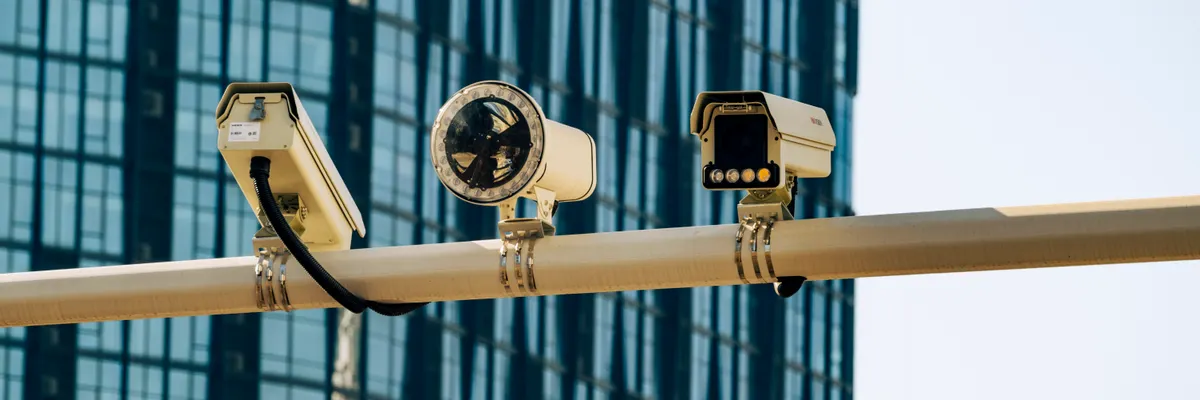
Flock, the police-tech company whose license plate readers blanket much of the country, is finally responding to the surveillance backlash that’s been building for months. Officers will now need to enter a criminal case number before searching Flock’s massive database, and the company says it’s expanding automated auditing of suspicious queries. The context here is ugly: multiple reports have documented officers using the network to stalk and harass current or former romantic partners.
But here’s the problem Flock hasn’t solved. The company won’t verify those case numbers. An officer can type in any string of digits and get access. That’s not a safeguard—it’s a speed bump. James O’Donnell’s reporting on this is sharp, and the takeaway is that while Flock wants credit for doing something, the architecture of the system hasn’t fundamentally changed. Anyone motivated enough to abuse it still can.
This matters because Flock’s reach is genuinely enormous. The company has built a nationwide network of cameras that track vehicles across jurisdictions, and the data persists for years. When you combine that kind of coverage with weak access controls, you get exactly the abuse pattern we’re now seeing. Flock’s move is a response to pressure, not a principled redesign.
The real question is whether this quiets the critics or just buys time. Lawmakers in several states have been pushing for stricter rules on automated license plate readers, and civil liberties groups have been documenting abuse cases for years. If Flock’s half-measure doesn’t hold up, the next intervention may come from legislators rather than the company itself. That would be a very different conversation for Flock’s business model.