Google’s August AI blitz wasn’t about flashy demos. It was about scale — and the numbers finally back that up. The Gemini app officially crossed 1 billion monthly users, making it the fastest-growing product in Google’s history. That’s not a rounding error. That’s mainstream adoption.
Dig into the usage data and a clear pattern emerges: people aren’t typing to AI anymore, they’re talking. Google says 63% of Gemini users now interact by voice, and “voice only” usage is climbing. Busy parents are 43% more likely to use Gemini for everyday tasks. Meanwhile, the app generates over 150 million images daily, with small businesses emerging as the heaviest users of its all-in-one image, video, and audio creation tools. This isn’t a chatbot anymore — it’s becoming a utility.
On the hardware side, Google unveiled the Pixel 11 series at Made by Google 2026, including the Pixel 11, 11 Pro, 11 Pro XL, and 11 Pro Fold. All four devices run on the Tensor G6 chip and are built specifically for Gemini Intelligence, with the latest Gemini Nano model handling on-device tasks. The pitch is straightforward: AI that works where you are, not just in a browser tab. For developers, Gemini 3.7 Flash arrived just three weeks after 3.6 Flash — a turnaround time that would’ve been unthinkable two years ago — priced at half the cost per million tokens.
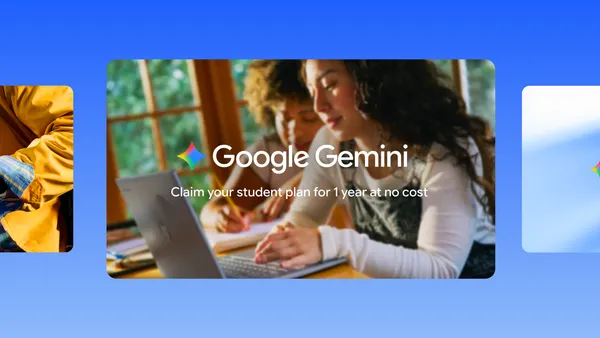
The education push is just as aggressive. Google is giving eligible college students a free year of its Google AI plan, plus new study tools and SAT prep built into Gemini. Search now generates practice quizzes for the SAT, ACT, GRE, and LSAT, and can explain complex concepts through interactive visuals. Combined with Gemini 3.5 Transcribe for developers and new hands-free features in Gemini Live like Daily Brief and Spark, the throughline is consistent: Google is betting that AI adoption doesn’t come from a single killer feature, but from embedding intelligence into every surface people already use. The question is whether competitors can match that distribution muscle.