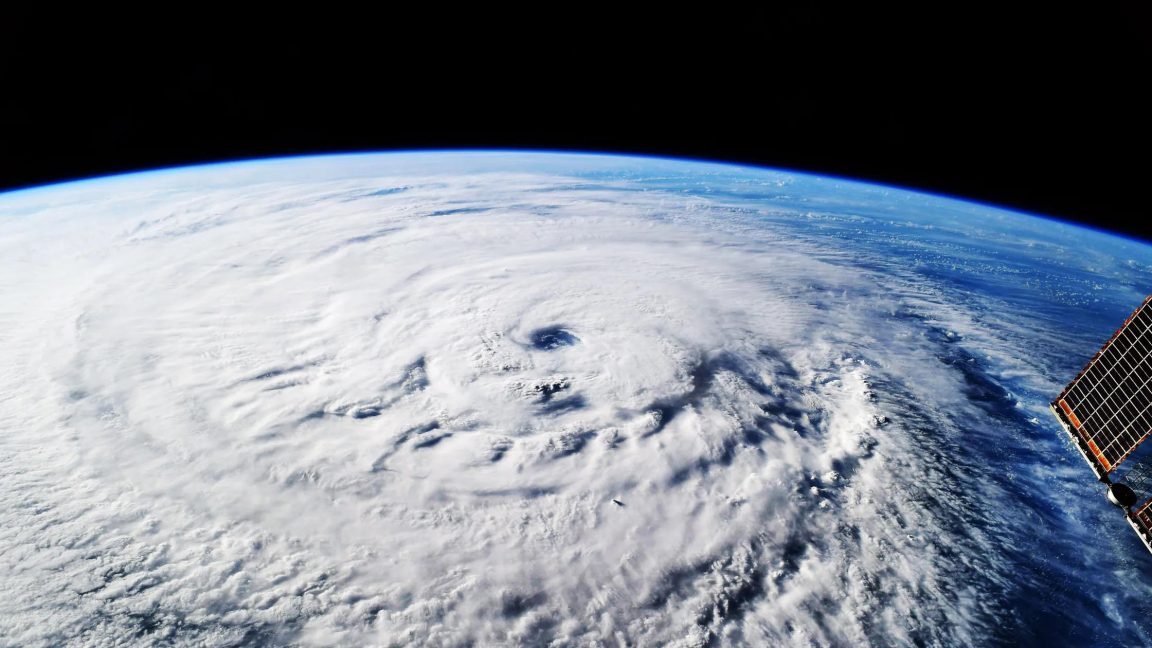
In October, as a storm system churned in the Caribbean, traditional weather models were split. One scenario had it weakening over Haiti. Google DeepMind’s AI model, WeatherNext, drew a different and far more alarming conclusion: an 80 percent confidence, five days before landfall, that the system would slam into Jamaica as a Category 5 hurricane. That storm became Hurricane Melissa, and the AI’s forecast proved tragically accurate. The prediction, detailed in a new Nature paper, represents a significant leap in disaster forecasting—one that effectively buys an extra day of preparation time.
On average, WeatherNext generates predictions three days ahead of a cyclone that are as accurate as conventional models’ two-day forecasts. That additional 24 hours is a practical eternity for emergency managers. Mike Brennan, director of the US National Hurricane Center, grounded the achievement in operational reality. “Time is really golden when it comes to those types of decisions,” he explained, noting that everything from staging supplies to organizing mandatory evacuations hinges on having confidence in the track and intensity. A false alarm or a missed warning, decided in haste, carries its own steep cost.
The technical challenge here is a classic data-sparsity problem. AI models often stumble on rare, extreme events because there simply aren’t enough historical examples to learn from. The DeepMind team, led by research scientist Ferran Alet, sidestepped this by not training a model solely on cyclones. “We don’t have that much cyclone data, but we have a lot of weather data,” Alet said. By training WeatherNext to be a general-purpose weather model first, it developed a robust physical understanding that made its specific cyclone predictions unusually sharp. The researchers claim this kind of lead-time improvement would have historically required a decade of incremental work.
This result lands at a moment when AI-based weather forecasting is becoming fiercely competitive, with models from Huawei and Nvidia also pushing the envelope. The WeatherNext approach, however, makes a compelling case that a generalized architecture, rather than a purpose-built hurricane tracker, is the smarter path for anticipating the most chaotic systems on Earth. The question now is how quickly operational centers like the National Hurricane Center can integrate these experimental models into their official warning pipeline—because for anyone living on a coastline, a day’s notice isn’t just a benchmark. It’s the difference between boarding up windows and being caught in the storm.