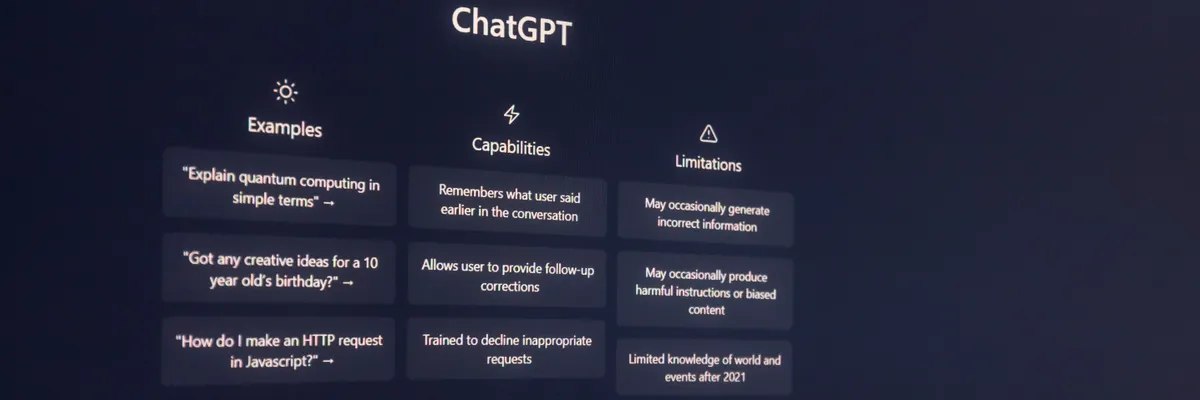
OpenAI launched ChatGPT as a research preview to see what happens when you put frontier AI directly into people’s hands. What followed was unexpected: massive adoption and deep integration into everyday life. Students used it for homework, parents for planning trips, writers to overcome blank pages, and countless people to understand health symptoms or prepare for tough conversations. Soon, it moved into workplaces — helping engineers debug code, marketers sharpen campaigns, and managers prepare for hard talks. What started as a curiosity tool became essential infrastructure. OpenAI’s business model evolved with this shift: consumer subscriptions, workplace plans, usage-based pricing, and a platform for developers. Now they’re exploring native advertising, serving relevant options when users are close to a decision. The key principle: monetization must feel natural and add value. Why it matters — this reveals how AI is transitioning from a novelty to a utility, forcing companies to align revenue models with real-world utility rather than hype.
How ChatGPT Became a Daily Workhorse
OpenAI launched ChatGPT as a research preview to see what happens when you put frontier AI directly into people's hands. What followed was unexpected: massive adoption and deep integration into everyday life. Students us…
Summarized from
OpenAI Blog AI-summarized
Was this helpful?
Discussion
Join the conversation
Comments are powered by GitHub Discussions. You need a GitHub account to participate.

Go deeper
The sharpest AI news, curated daily.
One email each morning. Summarized, sourced, and skimmable in under three minutes.
The sharpest AI news, curated daily.
One email each morning. Summarized, sourced, and skimmable in under three minutes.