The long-anticipated collision between AI data center demand and consumer electronics pricing is no longer theoretical — it’s showing up in hard numbers out of India, where smartphone shipments just recorded their steepest June-quarter drop in six years. Counterpoint Research pegs the decline at 10% year-over-year for the April-June period, a contraction driven almost entirely by soaring memory chip costs.
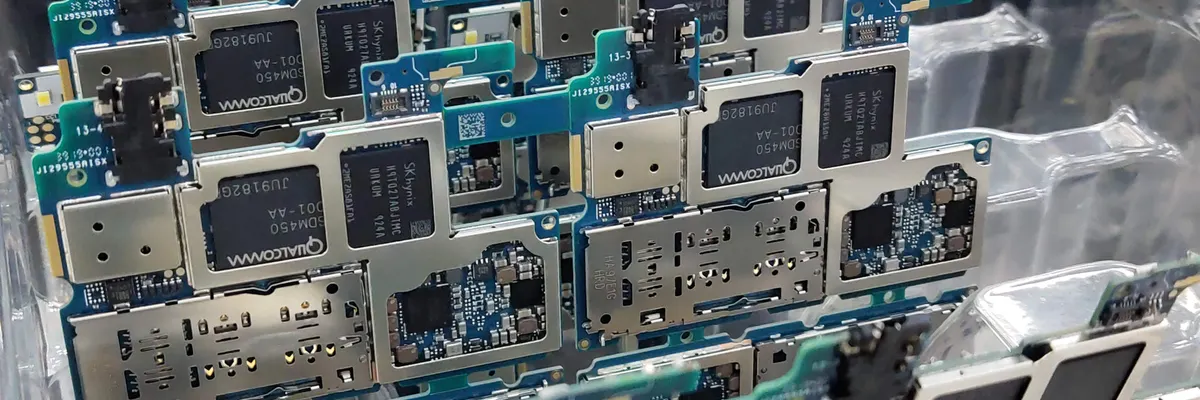
The culprit is a supply squeeze. Samsung, SK Hynix, and Micron have been steadily reallocating production capacity toward high-bandwidth memory for AI accelerators, where margins are fatter. That leaves fewer wafers available for the standard DRAM and NAND chips that go into phones and laptops, pushing prices up. India got hit disproportionately hard — about 60% of its market sits in the sub-₹20,000 bracket, where even modest component cost increases can wreck a phone’s economics.
Tarun Pathak, Counterpoint’s VP of research, told TechCrunch that prices on some Indian smartphone models have jumped between 4% and 68%. Consumers aren’t walking away from smartphones entirely, but they’re holding onto devices longer, stretching replacement cycles from roughly 3.5 years to four. The sub-₹15,000 segment buckled completely, with shipments plunging 45%. Chinese brands, heavily exposed to that tier, saw their combined market share sink to its lowest Q2 level since 2020.
The ripple effects are already redrawing competitive lines. Samsung was the only major brand to post shipment growth in India during Q2, eking out a 2% gain. OnePlus, meanwhile, announced it will stop launching new products in Europe and North America, retrenching to markets where margins still work — a move that Pathak suggests is just the beginning for budget-focused brands. “Sub-brands normally have overlaps and shared resources, and you need a minimum base to justify the cut-throat margins,” he said. If the math doesn’t pencil out, expect more retreats.