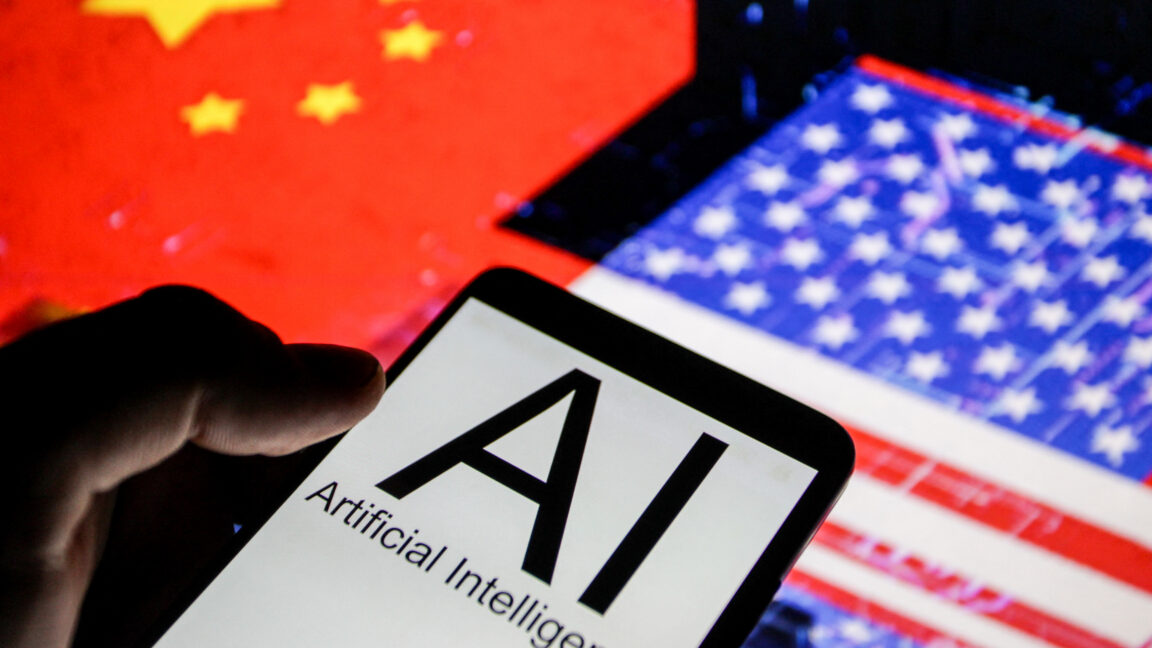
The AI industry’s worst-kept secret just got harder to ignore. Kimi K3, a new open model out of China, is landing punches at the same weight class as GPT-5.6 and Claude Fable 5. No caveats about benchmarks cherry-picked to look good. No hand-waving about “good for a Chinese model.” Just raw, competitive performance that erases the narrative that Western labs have some unbridgeable moat.
I’ve watched this play out before. First it was DeepSeek making people nervous. Then Qwen started showing up in enterprise evaluations, not as a curiosity but as a serious contender. Now Kimi K3. The pattern isn’t subtle — Chinese labs are shipping open-weight models that match or beat proprietary systems from OpenAI and Anthropic, and they’re doing it on a faster release cadence. The “China is only good at copying” talking point was always lazy. It’s now demonstrably false.
The open-source angle is what makes this particularly uncomfortable for San Francisco’s AI elite. When Google or OpenAI release a model, they control the API, the pricing, the terms. When Kimi or Qwen drops an open model, any company can download the weights and run it themselves. No per-token tax. No vendor lock-in. For enterprises that have been quietly terrified about building critical infrastructure on top of someone else’s proprietary model, that’s not a fringe alternative — it’s an escape hatch.
So what does Uncle Sam do now? Export controls were supposed to slow this down. They haven’t. The talent pipeline is global, and the algorithmic innovations that matter — mixture of experts, efficient attention mechanisms, training data curation — don’t require H100 clusters the size of small towns. If anything, constraints have forced smarter engineering. I’m not saying American labs are doomed. But the comfortable assumption that they’d always lead by a generation? That’s over. The race is flat now, and everyone’s breathing hard.