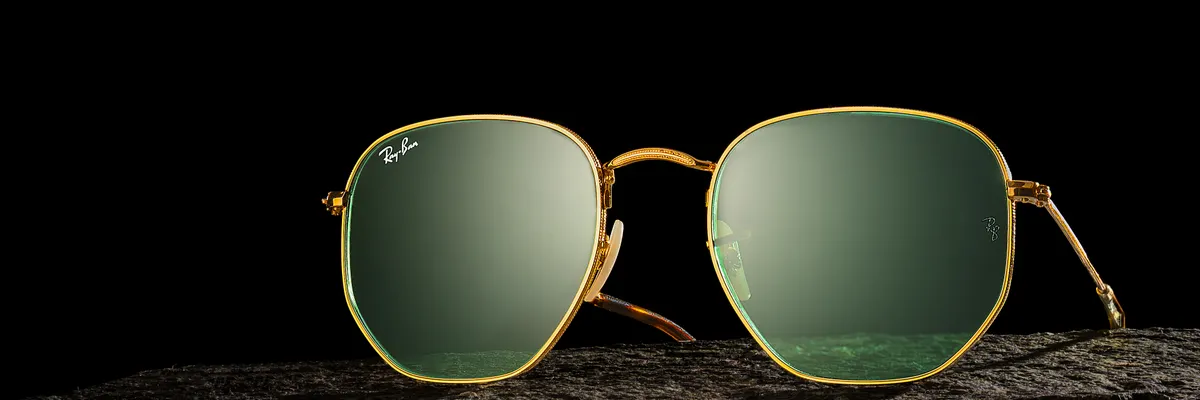
Meta is updating its AI glasses to disable recording if the LED indicator is tampered with, acknowledging that some users cover the light to secretly record people without consent. While this seems like a win for privacy, Meta simultaneously pushes features that demand more personal data — from training AI on your photos by default to testing prototypes that continuously record audio and images. The company frames the update as industry-leading, but it was forced by users physically blocking the LED with tape. The conflict is clear: Meta wants to sell cool gadgets while building an AI empire on your personal content. Meanwhile, lawsuits pile up, including allegations that Kenyan workers training Meta’s AI had to view graphic footage from glasses users.
Why it matters: This highlights the fundamental tension in wearable AI — companies can add consent features, but the business model still depends on collecting data you might not realize you’re giving away.