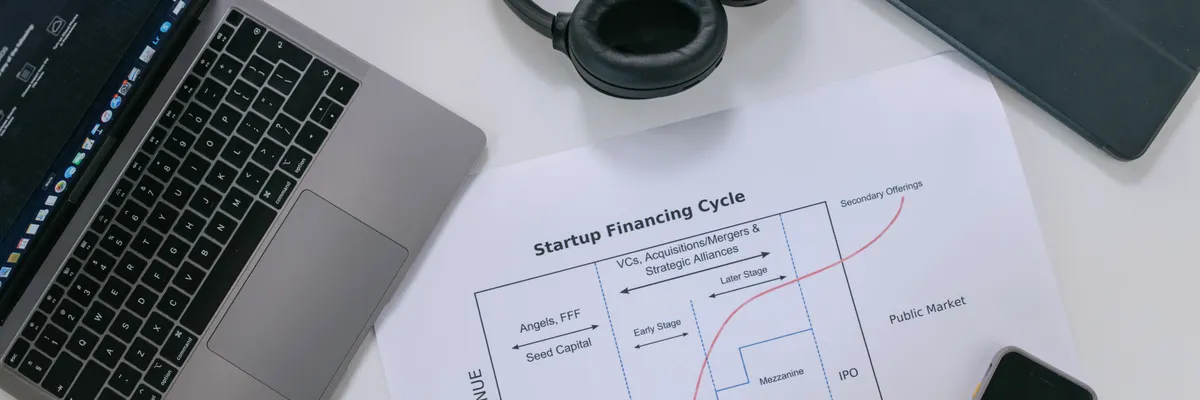
French artificial intelligence laboratory Mistral AI has officially closed a massive €3 billion ($3.58 billion) Series D funding round, valuing the company at over €21 billion ($24.39 billion). This deal stands as the largest equity fundraising event ever completed by a European technology firm. Samsung Electronics led the charge, joined by co-leads EQT-managed Scaleup Europe Fund and existing investor PSG Equity. The sheer scale of this injection confirms rumors that have circulated for weeks and signals a major shift in how global capital views non-US AI contenders.
The capital isn’t just for hiring; it is earmarked for heavy infrastructure lifting. Mistral plans to build 1 GW of compute capacity in Europe by 2030 and accelerate its commercial growth across 20 countries. Unlike OpenAI or Anthropic, which push broad consumer adoption, Mistral is doubling down on a B2B and government-focused strategy. They recently launched tools allowing customers to choose where their data is processed and began hosting third-party open-weight models, including those from China. This move addresses growing European anxiety over digital sovereignty and dependence on American tech giants.
French President Emmanuel Macron praised the deal on X, calling it a step toward building a “third way in AI” between the US and China. This geopolitical framing is central to Mistral’s appeal. By positioning itself as a neutral, sovereign-friendly provider, the lab has turned its non-American status into a revenue driver. However, the cap table tells a more complex story. While Luxembourg and various European entities invested, heavyweights like Nvidia, Salesforce Ventures, and a16z also participated. Mistral is effectively leveraging American money to build an alternative to American control.
This hybrid approach mirrors recent moves by Germany’s Aleph Alpha and Canada’s Cohere. Mistral maintains its strategic partnership with Microsoft while courting Samsung and ASML. The goal is not to create a European ChatGPT, but to provide the underlying infrastructure for governments and corporations that demand control. Whether this delicate balancing act can sustain itself against the sheer resource advantage of Silicon Valley remains the open question. For now, Mistral has secured the war chest needed to stay in the fight.