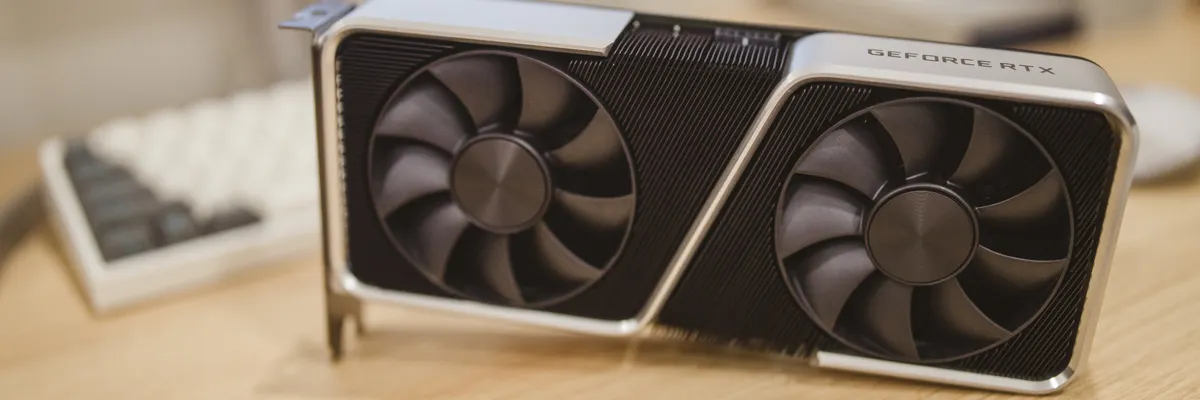
Jensen Huang isn’t just optimistic about Nvidia’s future; he claims to have a crystal ball. Speaking at the Goldman Sachs Communacopia conference, the CEO doubled down on his prediction that Nvidia’s revenue will surge by 70% year-over-year, pushing annual figures from an expected $400 billion to roughly $680 billion. This isn’t blind faith. Huang pointed to the Blackwell platform, specifically a system combining Grace CPUs and Blackwell GPUs, which is seeing 27% month-to-month sales growth. He argued that critics misunderstanding Nvidia as a simple chipmaker are missing the scale of its infrastructure. “One GPU now is not $399. It’s $8.5 million,” Huang said, describing complex systems with millions of parts that require airplanes to ship.
The confidence stems from Nvidia’s entrenched position across the entire AI stack. Huang noted that every major lab, from OpenAI to Anthropic and Google, relies on Nvidia hardware. “We are a foundational platform of the AI ecosystem,” he stated. This visibility extends beyond software partners to physical infrastructure. Nvidia tracks gigawatts of power usage and data center shells globally, gathering intelligence from neoclouds, OEMs, and AI-native startups. By monitoring where the power goes, Nvidia predicts where the compute demand will land next. This granular view allows them to anticipate market shifts before competitors even break ground on new facilities.
Skeptics have raised eyebrows at Nvidia’s investment strategy, often labeled as circular deals where Nvidia invests in customers who then buy its chips. Huang dismissed these concerns with characteristic bravado. “I look at the spreadsheet, we put in $1 and $100 comes back in. Is that circular? If that is, let’s do more of that,” he joked. He insisted that investments only follow verified customer contracts, citing $100 billion in secured agreements. While history shows tech monopolies eventually face disruption, Nvidia’s current grip on the supply chain remains unbreakable. The real test won’t be competition today, but whether efficiency gains in AI models will dampen hardware demand tomorrow.