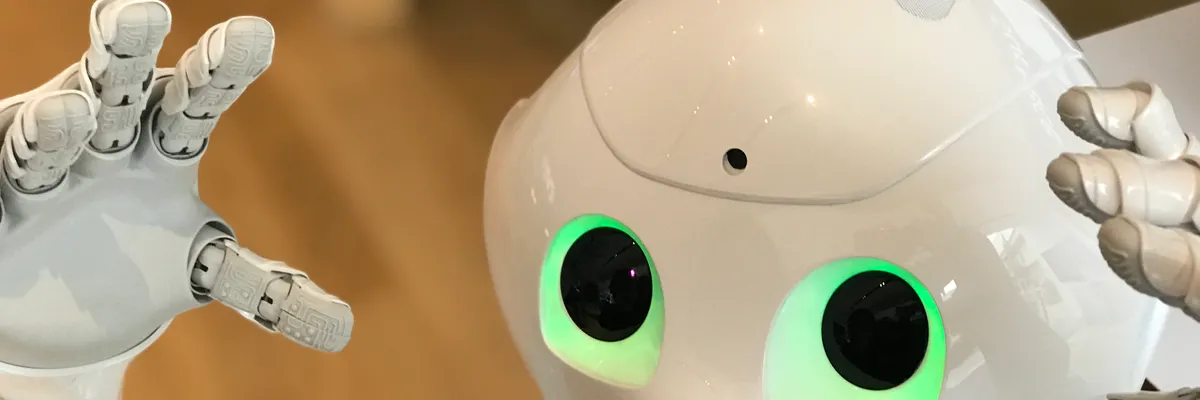
ChatGPT changed everything in November 2022. It pushed artificial intelligence from theoretical hype into daily utility almost overnight. Robotics, however, is still waiting for its equivalent turning point. Les Karpas, Nvidia Inception’s Global Head of Physical AI, argues the industry faces a fundamental data deficit. Unlike language models that trained on the entire internet, physical AI lacks a comparable universal dataset. This insight forms the core of his upcoming session at TechCrunch Disrupt 2026.
Karpas will take the Real World AI Stage in San Francisco this October. He plans to dissect why general-purpose robots remain elusive despite years of development. The problem isn’t just hardware. It’s the absence of massive, diverse training data. Self-driving cars like Waymo’s fleet have an advantage here. They accumulate millions of real-world road miles, creating rich datasets market by market. General-purpose robots don’t have that luxury. They operate in infinitely variable environments without a centralized source of truth.
Startups are trying to bridge this gap through simulation and synthetic data. They train foundation models across multiple robot forms simultaneously. But scaling these digital solutions to the physical world remains tricky. Karpas brings a unique vantage point to this challenge. His background spans manufacturing, venture capital, and roles at iRobot and Stanley Black & Decker. He now coordinates Nvidia’s relationships with hundreds of robotics startups. He sees the bottleneck firsthand.
The event runs from October 13-15 at Moscone West. Attendees can hear from founders at Shield AI, Colossal Biosciences, and FieldAI alongside Karpas. Ticket prices increase after September 25, with potential savings of up to $200 for early buyers. Group passes offer up to 30% off. While the sales pitch is standard, the technical hurdle Karpas identifies is real. Until robots can learn from a shared, internet-scale physical dataset, they will likely remain specialized tools rather than general companions. The industry must solve the data problem before it can solve the robot problem.