The gap between how much students use AI and how little they understand it is the driving force behind a new partnership between OpenAI and CodeAI. The numbers tell the story: most students are already using AI tools, yet only 16% of high school leaders say all their students are receiving technical instruction on how the technology actually works. Students themselves sense the problem — 75% told CodeAI that understanding AI will matter more for their futures than it does today.
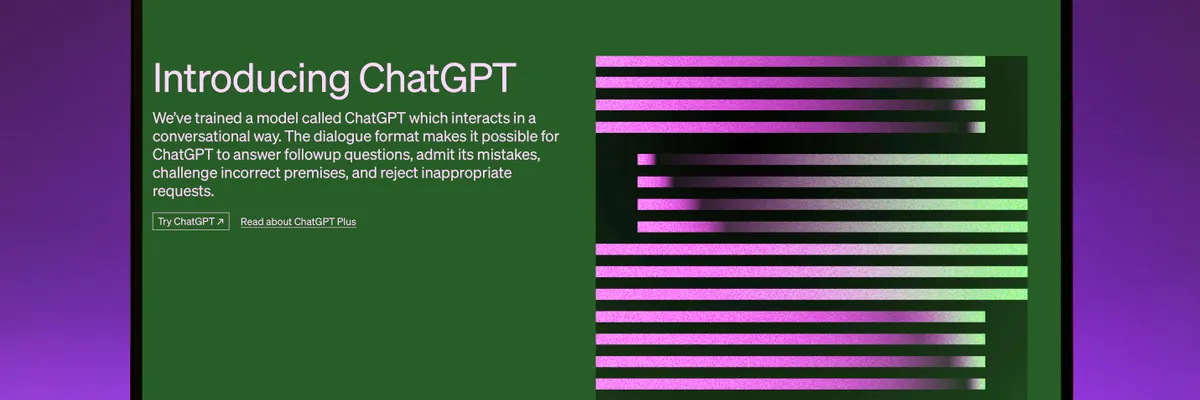
The collaboration launches alongside ChatGPT for Teens, a dedicated version of the chatbot with built-in guardrails for younger users and expanded parental controls. The education component is where CodeAI comes in. Over the next year, the two organizations will run a joint advisory council focused on child development and responsible AI practices, push AI literacy through the Hour of AI program, and launch a Builders Challenge that gives high schoolers mentorship from OpenAI staff and a national stage to showcase projects.
Dr. Allison Mishkin, OpenAI’s Head of Child Development, framed the goal in terms of judgment rather than mere access. “Our goal is not simply to help more students use AI, but to help them ask better questions, think critically about the answers they receive, and use these tools responsibly,” she said. CodeAI CEO Karim Meghji put it more bluntly: students should be able to “catch its mistakes, and know when to stop trusting it.”
The partnership also includes a Career Journeys component where OpenAI researchers and engineers will speak directly to students about their work. That’s a smart play. AI literacy isn’t just about caution — it’s about showing young people they can be builders, not just consumers. The real test will be whether the advisory council produces meaningful guardrails or just press-friendly meetings. If the 16% figure moves significantly in the next few years, we’ll know this was more than a launch-day announcement.