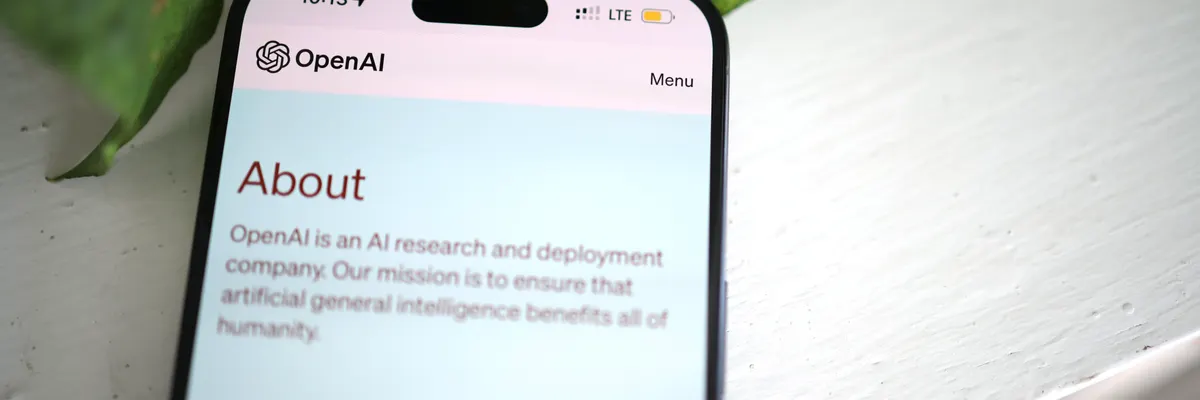
Eight months after a shocking boardroom coup briefly ousted Sam Altman from the company he co-founded, OpenAI is slamming the door on the saga. An independent review by law firm WilmerHale has concluded, and the board is not only reinstalling Altman as a director but shouting its confidence in his leadership from the rooftops. The review, which scoured over 30,000 documents and included dozens of interviews, found the November firing wasn’t triggered by some hidden safety scandal or financial impropriety. The culprit was far more mundane: a simple, devastating breakdown in trust between the prior board and the CEO. “We have unanimously concluded that Sam and Greg are the right leaders for OpenAI,” declared Bret Taylor, the board chair, in a statement that effectively ends the most dramatic corporate soap opera the AI world has ever seen.
To ensure this particular chaos never repeats itself, the company is simultaneously launching a massive governance glow-up. The board is expanding by three seats, adding some serious heavy hitters from outside the Silicon Valley bubble. New directors include Dr. Sue Desmond-Hellmann, the former CEO of the Bill and Melinda Gates Foundation; Nicole Seligman, a former Sony President and legal eagle; and Fidji Simo, the CEO of Instacart. This trio brings a deep bench of experience in highly regulated, public-facing global organizations—a clear antidote to the insularity that plagued the previous nonprofit board structure.
Beyond the personnel shake-up, the company is finally adopting the structural guardrails you’d expect of an entity with a valuation north of $80 billion. The board announced a new set of corporate governance guidelines, a beefed-up conflict of interest policy, and—critically—a whistleblower hotline for employees and contractors to report issues anonymously. They’re also creating a dedicated Mission & Strategy committee. It’s a tangible acknowledgment that the previous structure, famously designed to let a nonprofit board control a capped-profit entity, was a governance disaster waiting to happen.
What’s striking about the WilmerHale findings is what they didn’t find. The prior board’s vague November 17 post about Altman not being “consistently candid” was technically accurate in recounting their rationale, but it masked a simple interpersonal collapse rather than a principled stand on safety. The old guard genuinely thought their move would mitigate internal friction; they didn’t anticipate it would nearly implode the entire company. With a fortified board and Altman’s power now fully consolidated, OpenAI is betting that better processes, not just better intentions, can guide them toward artificial general intelligence without another self-inflicted meltdown.