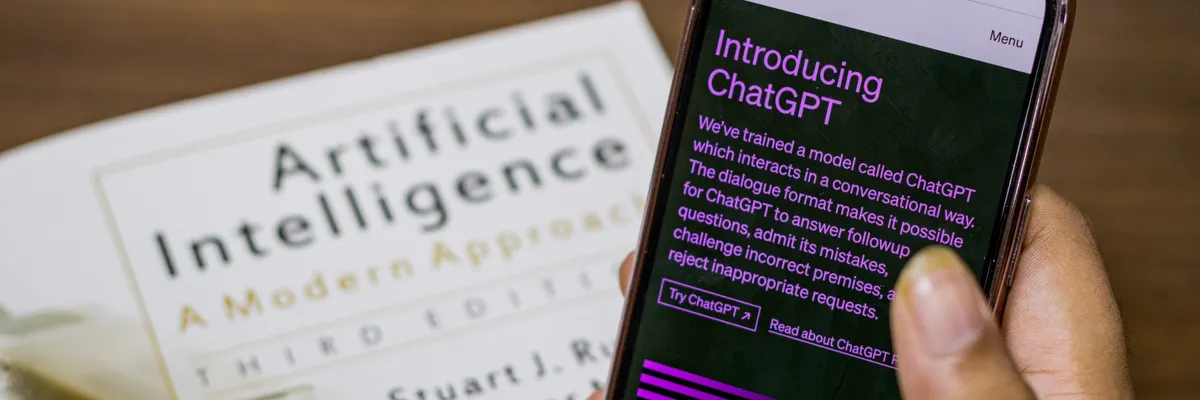
Nine months after ChatGPT set off a global AI frenzy, OpenAI is making its most aggressive play for corporate wallets yet. ChatGPT Enterprise launched today, and the pitch is straightforward: all the power of GPT-4 without the privacy nightmares that have kept legal and compliance teams up at night. The company says over 80% of Fortune 500 companies already have teams using ChatGPT, often through unofficial backchannels. Now OpenAI wants to bring that usage above board with an offering that includes SOC 2 compliance, AES-256 encryption for data at rest, TLS 1.2+ for data in transit, and—crucially—a promise that customer prompts and company data won’t be used to train its models. That last point is the one that will make or break enterprise adoption. Nobody wants their proprietary strategy memos showing up in someone else’s prompt suggestions.
The pricing isn’t public, but the feature list suggests OpenAI knows exactly what IT departments will demand. There’s an admin console with bulk member management, single sign-on, domain verification, and an analytics dashboard for usage insights. On the performance side, GPT-4 runs up to twice as fast with no usage caps, context windows expand to 32,000 tokens (enough to process about 50 pages of text in one go), and the tool formerly called Code Interpreter—now rebranded as “advanced data analysis”—is available without limits. The company is also throwing in API credits for teams that want to build custom integrations, which feels like a smart way to seed deeper platform dependency.
Early adopters include Block, Canva, Carlyle, The Estée Lauder Companies, PwC, and Zapier. Klarna’s head of AI, Martin Elwin, said the integration is aimed at “a new level of employee empowerment” across their 150 million active users. Another unnamed enterprise customer reported that ChatGPT Enterprise shaved an average of an hour per day off research time. That’s the kind of statistic that makes CFOs sit up straighter—if you can save every knowledge worker an hour a day, the ROI math gets very simple very fast.
What’s coming next is equally telling. OpenAI is working on a self-serve “ChatGPT Business” tier for smaller teams, tools that let companies connect ChatGPT to their own internal applications and data, and specialized solutions for roles like data analysts, marketers, and customer support. The strategy is classic enterprise software playbook: land the Fortune 500 logos, then build the ecosystem that makes switching costs prohibitively high. Whether companies bite will depend on whether that “we don’t train on your data” promise holds up under the scrutiny of the world’s most paranoid security teams.