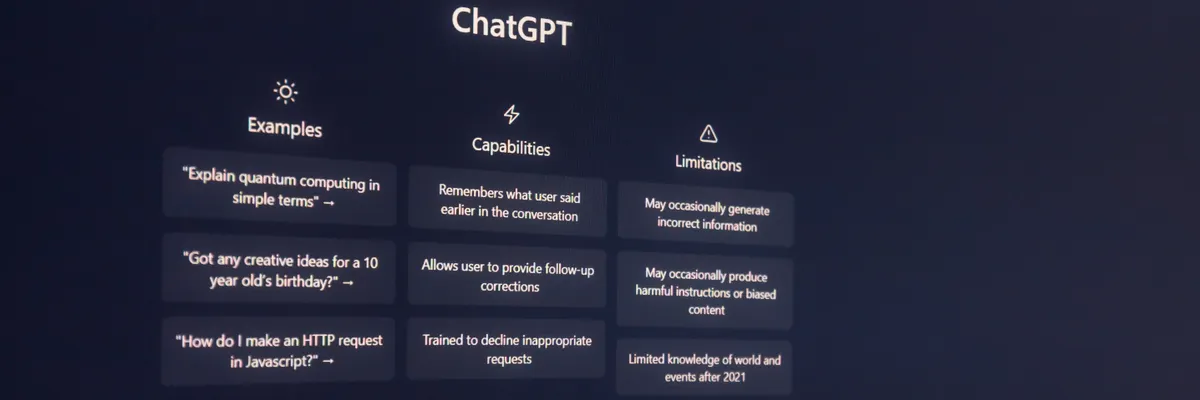
For decades, surgical consent forms have been a quiet scandal in American medicine—documents written at a college reading level handed to patients who, in more than half of cases, read at or below a sixth-grade level. The New England Journal of Medicine first flagged the problem in 1980. Forty-three years later, two residents at Lifespan, Rhode Island’s largest health system, decided to see if GPT-4 could finally fix it.
Dr. Rohaid Ali and Dr. Fatima Mirza started using ChatGPT while prepping for their medical boards and recognized how effectively the model broke down dense material. Their insight was refreshingly direct: if it worked for them, why wouldn’t it work for patients facing far scarier information? They fed Lifespan’s existing surgical consent form into GPT-4 with a prompt to preserve meaning while converting the text to the average American reading level. The result landed at roughly a sixth-grade level, slashing word count by 25 percent and shrinking the document from three pages to a single page.
The real test was accuracy, and here GPT-4 delivered almost flawlessly. Human reviewers across legal and clinical teams made exactly one modification: anesthesiology added “sleep medicine” alongside “anesthesia” for clarity. That’s it. The system Lifespan built—AI does the first draft, humans check the output—was designed to neutralize hallucination risk, and it appears to have worked. Dr. Dean Roye, chief medical officer at Rhode Island Hospital, noted that physician buy-in came surprisingly easy because shorter, plainer forms felt more useful, not less.
Since deploying the new forms in September 2023, patient feedback has been striking. Dr. Mirza described consent conversations as emotionally charged moments where comprehensible paperwork becomes an anchor. The health system has already expanded the approach to chemotherapy consent forms and patient intake documents. Their research, published in NEJM AI, lands in the very journal family that first diagnosed the problem nearly half a century ago. That symmetry matters. CEO John Fernandez framed the initiative as turning patients into empowered healthcare consumers—a phrase that can sound hollow until you see a one-page form actually working. The question Ali and Mirza leave hanging is the right one: if a decades-old readability gap closes in minutes, what other entrenched friction points in medicine are just sitting there, waiting for something similar?