Training a 20-billion-parameter language model with reinforcement learning from human feedback used to mean renting a cluster. The Hugging Face trl library, combined with peft, now squeezes that workload onto a single 24GB consumer GPU. That’s a shift worth paying attention to if you’ve been watching RLHF from the sidelines.
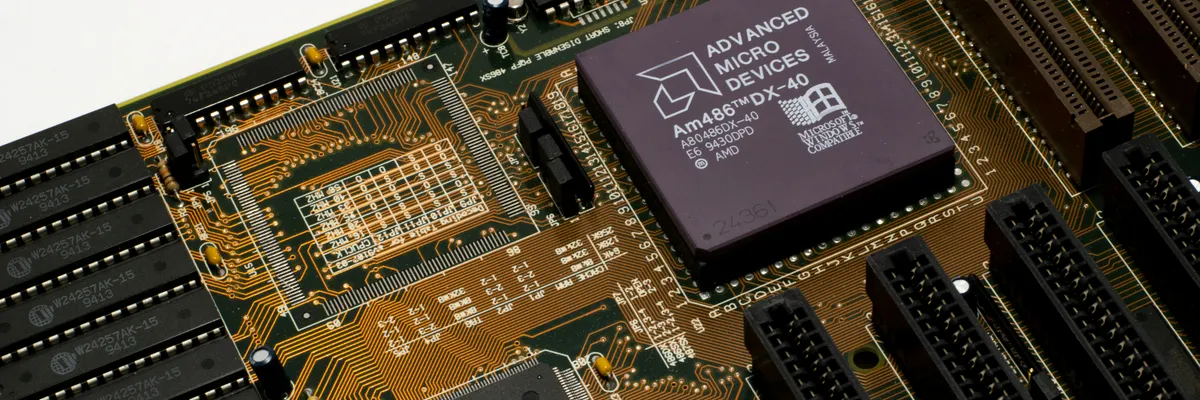
The memory math explains why RLHF is so punishing. A 10B+ model in full float32 precision eats roughly 40GB of GPU memory before training even starts. Add an AdamW optimizer and you’re stacking another 8 bytes per parameter. But the real kicker with RLHF is that you need two copies of the model: the active one being optimized, and a frozen reference model to compute logits at each step. That reference prevents the active model from drifting too far from its original behavior. Without peft-style parameter-efficient fine-tuning, this setup demands serious hardware.
peft changes the calculus by only training a small subset of parameters, dramatically reducing memory overhead. TRL also supports sharing layers between the reference and active models to avoid maintaining full duplicates — a trick showcased in the detoxification example. The library wraps PPO, one of the most widely used deep RL algorithms, and uses Hugging Face accelerate so the same code runs on a single GPU or scales across machines via data parallelism.
The tradeoff: trl handles data parallelism cleanly, but pipeline and tensor parallelism — where the model itself gets split across GPUs — remain out of scope. That’s Megatron-DeepSpeed or Nemo territory, with all the communication protocol complexity those frameworks entail. Still, for researchers and small teams who couldn’t touch RLHF at this scale before, the barrier just dropped substantially. The question now isn’t whether you can run these experiments, but whether the results justify the compute you’ll inevitably want next.