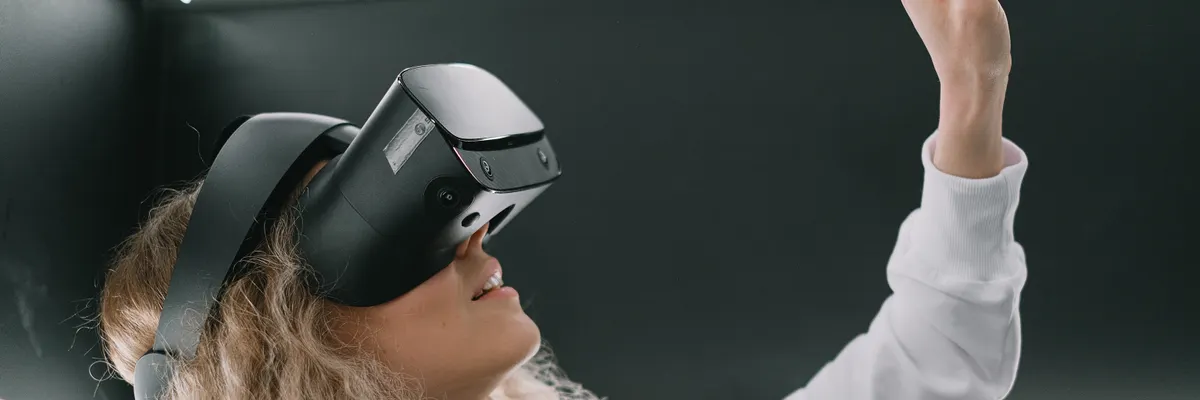
Snap is fighting back against the brutal reception of its $2,200 Specs smart glasses. After the initial reveal sparked online jeers and a stock dip, CEO Evan Spiegel took the stage in Los Angeles this week to argue that these heavy, scuba-gear-like devices are actually essential computers. The company unveiled a suite of new features designed to give the hardware a reason to exist beyond being an expensive novelty.
The biggest pivot is toward productivity and entertainment. Specs now integrates with HBO Max and Spotify, offering baseline interactive fun that previous iterations lacked. More significantly, Snap launched Specs Intelligence, an “anticipatory AI” system. Spiegel described it as an AI-native operating system that learns your goals and routines from connected apps on iPhones and Macs. It aims to help users focus on immediate priorities while tracking long-term progress, functioning less like a wearable gimmick and more like a cross-device productivity assistant.
Enterprise adoption is the other major pillar of this strategy. Through the new Specs for Enterprise program, Snap partnered with Amazon, Salesforce, and Nvidia to integrate the glasses into corporate workflows. The primary use case? IT technicians. Demo videos showed staff repairing hardware with AR overlays, supported by new mobile device management and security controls. While practical for field workers, other consumer features felt disconnected from reality. An AR basketball training app developed with the NBA and WNBA asks users to shoot hoops while wearing bulky goggles, a scenario that seems physically impractical for most athletes.
To support mobile use, Snap introduced a cellular charging case via Verizon, costing $10 to $20 monthly. Spiegel framed these updates as a rejection of tech trends that make humans irrelevant. “Making people irrelevant is not progress, and computers should make us more important, not less,” he stated. Yet, positioning a $2,200 headset as a human-centric computer remains a steep sell. With shipping set for later this fall and a LA pop-up planned for October, Snap is betting that utility can overcome the initial aesthetic and price shock. Whether professionals will trade their laptops for face-mounted displays is the real question hanging over this relaunch.