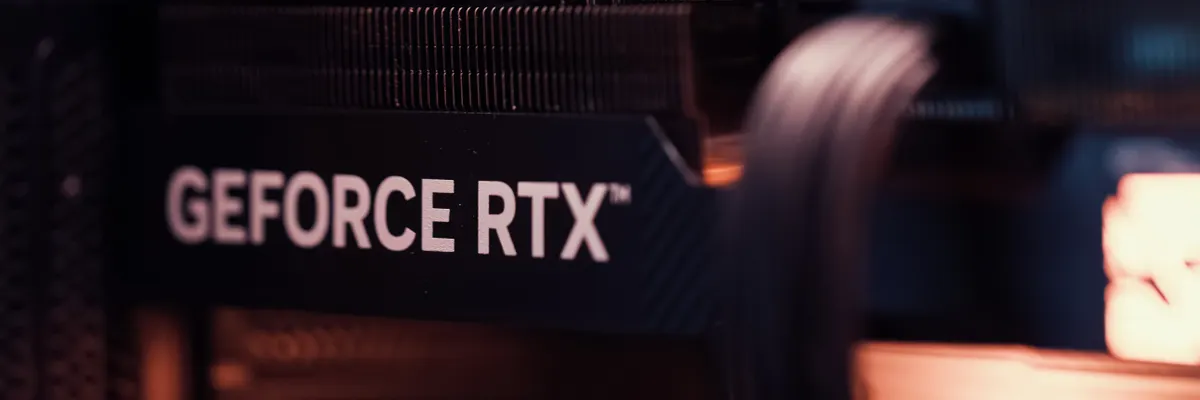
Starcloud just added a $250 million extension to its Series A, pushing the round’s total to $420 million and the valuation to $2.3 billion. The startup is building satellites that run AI inference in space, and it’s already operating an Nvidia H100 GPU in orbit — the first company known to train a model on one. That technical lead is a big reason Nvidia itself joined the extension, reportedly writing a $25 million check. CEO Philip Johnston says the chipmaker did more technical diligence than any traditional VC in the round.
The money will fund a larger manufacturing facility in Woodinville, Washington and advance Starcloud-3, the company’s largest orbital data center spacecraft, designed to fly on SpaceX’s Starship. But here’s the catch: Starship isn’t operational yet, and SpaceX just delayed its next catch attempt by several months, pushing the first re-flight to late 2026 or early 2027. Meanwhile, Falcon 9 — the workhorse that actually launches things today — is scheduled to retire in 2028. Johnston is blunt about the risk: ‘Obviously if we can’t book any SpaceX launch capacity in 2029, that will be challenging for us.’
Starcloud has already asked the FCC for permission to operate 88,000 spacecraft, and it’s trying to lock in launch contracts now while capacity exists. Johnston sees launch availability, not just cost, as the binding constraint. That’s why the company is considering a dedicated Falcon 9 mission and signing with other providers. Blue Origin’s New Glenn and ULA’s Vulcan aren’t flying regularly, and Rocket Lab’s Neutron hasn’t reached the pad yet — so for now, SpaceX remains the only realistic option at scale.
The bet is that Starship eventually drives launch costs down far enough to make orbital inference competitive with terrestrial data centers. Johnston claims Starcloud’s relationship with Nvidia goes beyond investment: the startup is sharing flight data from its H100 to help Nvidia design the Vera Rubin Space-1, a purpose-built space GPU that Starcloud hopes to fly in late 2028. That chip doesn’t exist yet, which means Starcloud’s roadmap depends on two unproven technologies — a new rocket and a new chip — arriving roughly on schedule. The company is 25 people right now. The ambition is enormous. The timeline is unforgiving.