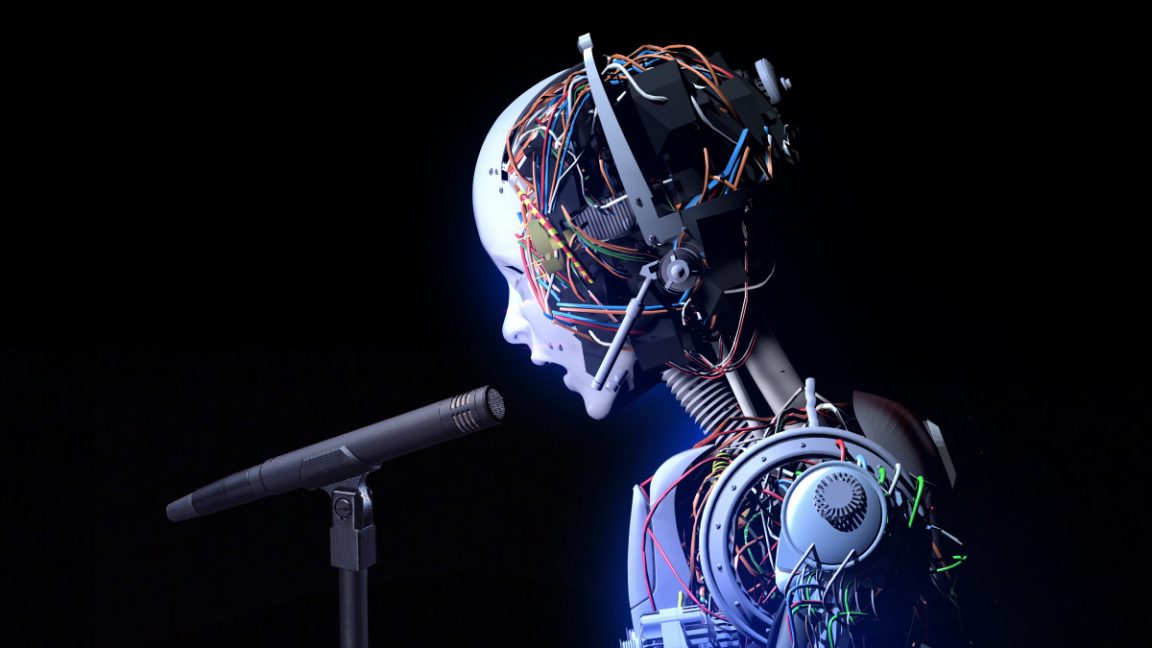
AI music generator Suno says it will begin embedding watermarks in every audio output from its models, a move the company frames as catching up to “emerging industry standards” for labeling synthetic content. CEO Mikey Shulman announced the shift in a blog post, pledging that the inaudible signatures will be “durable and resistant to tampering” without degrading sound quality. The company stopped short of naming its technical partner — whether it will build an in-house detector or license something like Google’s SynthID remains an open question.
Google has been pushing SynthID aggressively, claiming the tool has already labeled 60,000 years’ worth of audio generated by its Gemini models and over 100 billion images and videos. A licensing program now lets other companies tap into the same detection infrastructure. Suno’s move creates a clear on-ramp for platforms like Spotify to automatically flag or outright block AI-generated uploads, something that becomes more urgent as the volume of synthetic tracks balloons.
The glaring asterisk here is durability. If someone cracks Suno’s watermarking scheme — and Shulman’s confidence notwithstanding, no system has proven unbreakable — every track produced before the breach loses its label retroactively. That’s a single point of failure that could flood platforms with anonymous AI music overnight. And even if Suno’s watermark holds, it only covers one generator in a landscape that includes open-source models running on local hardware, where no watermark will ever touch the output.
This is the fundamental tension in every watermarking initiative. You can make it trivially easy for honest actors to comply while doing almost nothing to stop bad actors. Suno deserves credit for volunteering a standard that costs it nothing in audio quality, but watermarking works best as a trust mechanism for platforms, not a barrier to misuse. The real test will be whether Spotify, Apple Music, and others actually enforce policies around these signals — or whether they treat them as optional metadata in a race to keep their catalogs growing.