Tavily’s team learned a painful lesson that many AI engineers are just beginning to face: building an agent harness that works today is easy; building one that won’t choke on tomorrow’s smarter models is the real test. Seven months ago, they had to scrap their entire deep research system. The original architecture, which they’d thought was admirably complex, had baked-in assumptions that the next generation of language models simply broke right through. Those sophisticated optimizations became instant bottlenecks.
The core of their rebuild, and the focus of their new technical post, is a war on context bloat. They argue that letting a long-horizon research agent just shovel raw tool outputs back into its prompt is a slow-motion suicide mission for performance and cost. It’s not just about token waste. It’s that the classic ReAct agent loop—where every search result and scraped webpage gets dumped into the next iteration’s context—creates a compounding distraction that dooms the agent to lose the plot. Tavily calls this out with a brutal bit of math, modeling the token consumption as a quadratic series where the context window swells with every step.
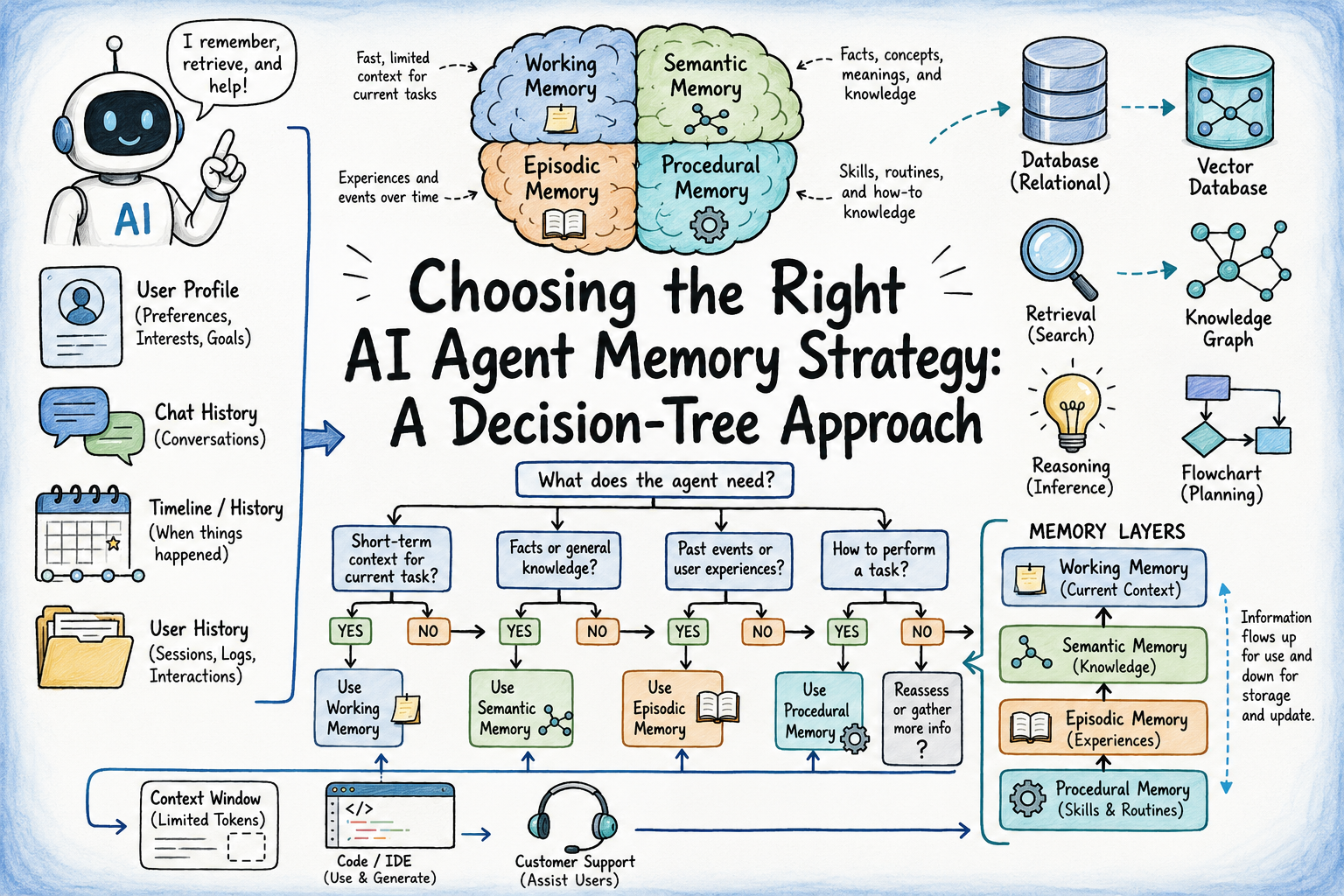
Their counter-approach is built to mimic how a human researcher actually works. You don’t hold every raw source in your head at once. You gather, distill, and decide what to do next, holding only the reflections in your short-term memory. Tavily’s new harness does the same, using their advanced search to pre-filter and return only relevant content chunks, then insisting the agent’s tool-caller works only from a curated list of past reflections. The raw data doesn’t flood the context until the very end, when the agent is finally ready to write the report, ensuring no factual loss at the assembly stage.
This marks a clear shift from workflows to true agents, driven by a bet that models will keep getting better specifically at the things that make agent developers tear their hair out: high-recall summarization for context compression, tool-calling reliability, and concision in writing. Tavily’s gamble is that the winning architecture won’t be the one with the most hand-crafted cleverness, but the one with the fewest assumptions about what the model can’t do next year.