Here’s what every engineer who built agents in 2025 remembers: the drudgery of hand-crafting ReAct loops, wrestling with brittle prompt chains, and praying a single, massive model could juggle planning, tool use, and memory without hallucinating itself into a corner. That era is officially over. By mid-2026, the dominant paradigm has fractured into something far more elegant and production-ready: agentic swarms.
The first major shift driving this is the redundancy of external orchestration frameworks. New native reasoning models handle test-time compute internally, generating hidden reasoning tokens to explore, branch, and self-correct before they ever produce visible output. If you’re still using LangChain to force a model to reflect on its own errors, you’re likely just adding latency and token overhead for a cognitive loop the model now runs natively. The AI engineer’s job is no longer to simulate thinking; it’s to build the sandbox the model operates in, focusing on routing and state management.
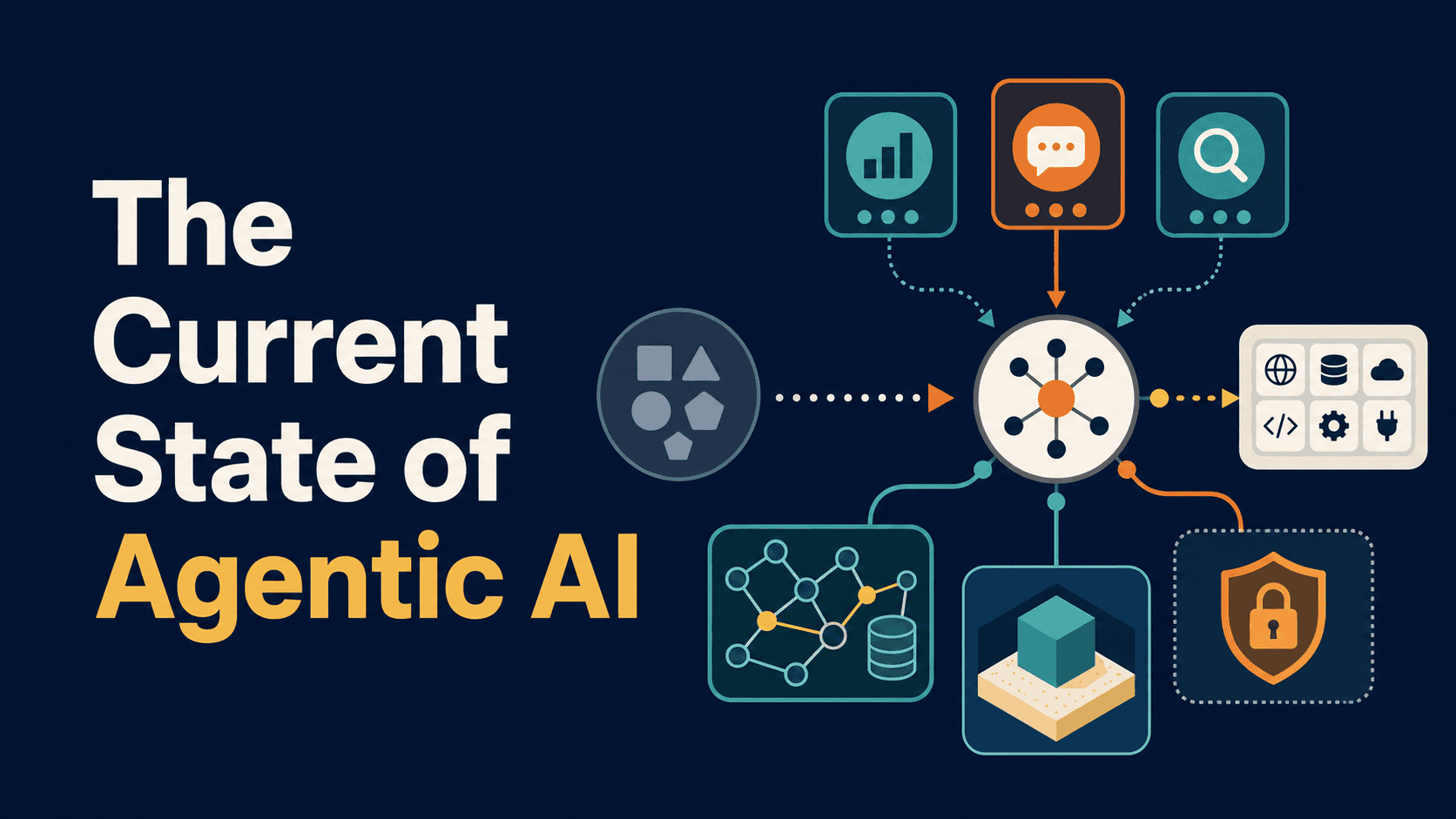
That freed-up engineering energy has gone into the second shift: decomposing monolithic agents into swarms of microservices. The article argues that bolting 50 tools onto a single large model creates a bottleneck. The production pattern that’s winning is a collection of specialist agents—a Triage Agent for routing, a SQL Agent with a single execute_query tool, a Python Analyst in an isolated container—that communicate via handoff tools. The key insight is that complexity doesn’t disappear, but it becomes manageable, testable, and replaceable. Individual agents are stateless per call, which keeps context windows lean and lets you use cheap, fast models like Qwen3 for specific nodes, reserving heavy compute only for routing and synthesis.
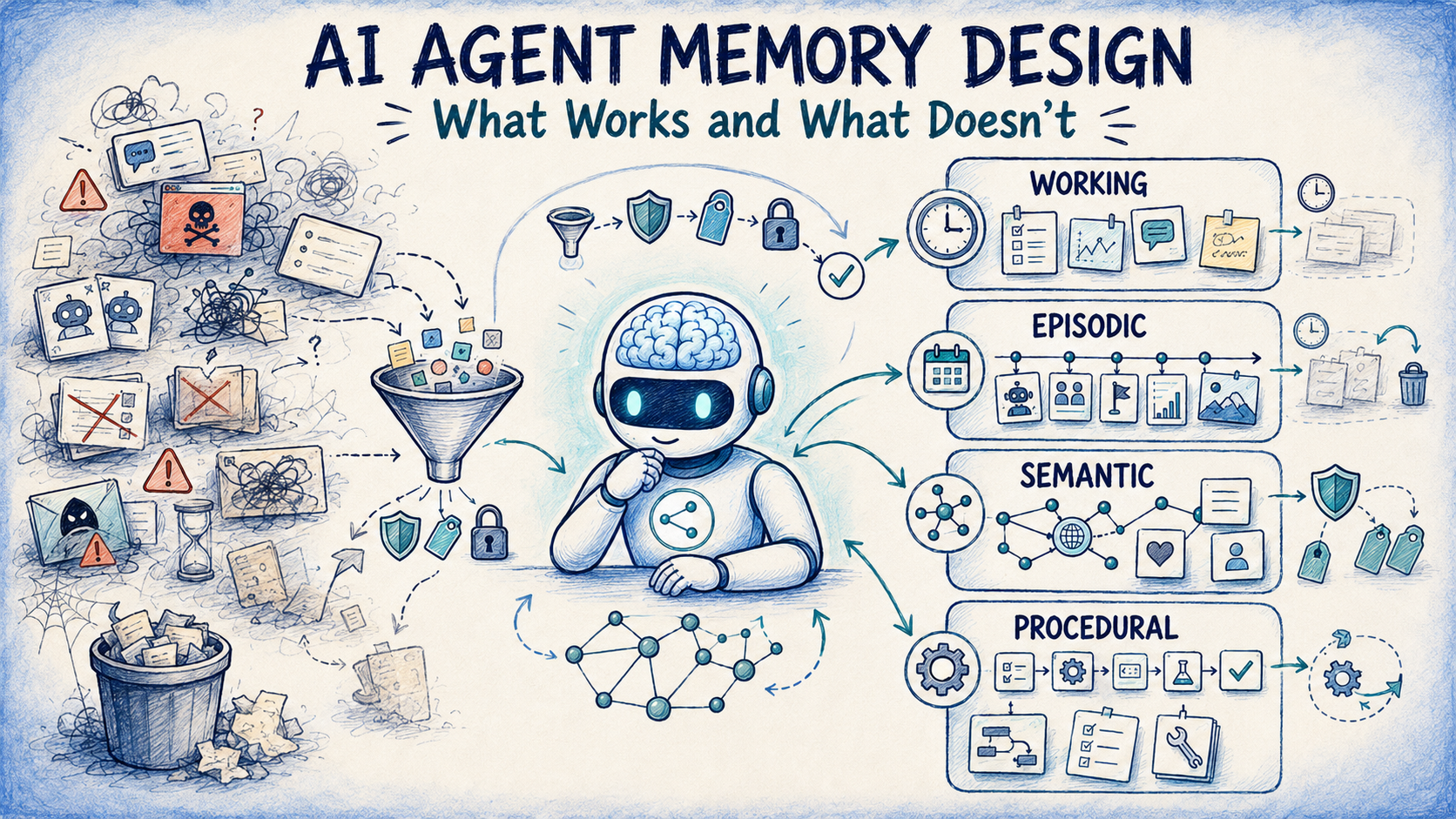
The third pillar making this architecture viable is standardization, particularly around the Model Context Protocol (MCP). This isn’t just about tool calling; it’s about creating a universal interface that allows these specialist agents to connect to data, pass context cleanly, and maintain a persistent memory graph across a system that is inherently stateful. The shift is from building a single brain to wiring a nervous system, where the real engineering challenge is the communication infrastructure.