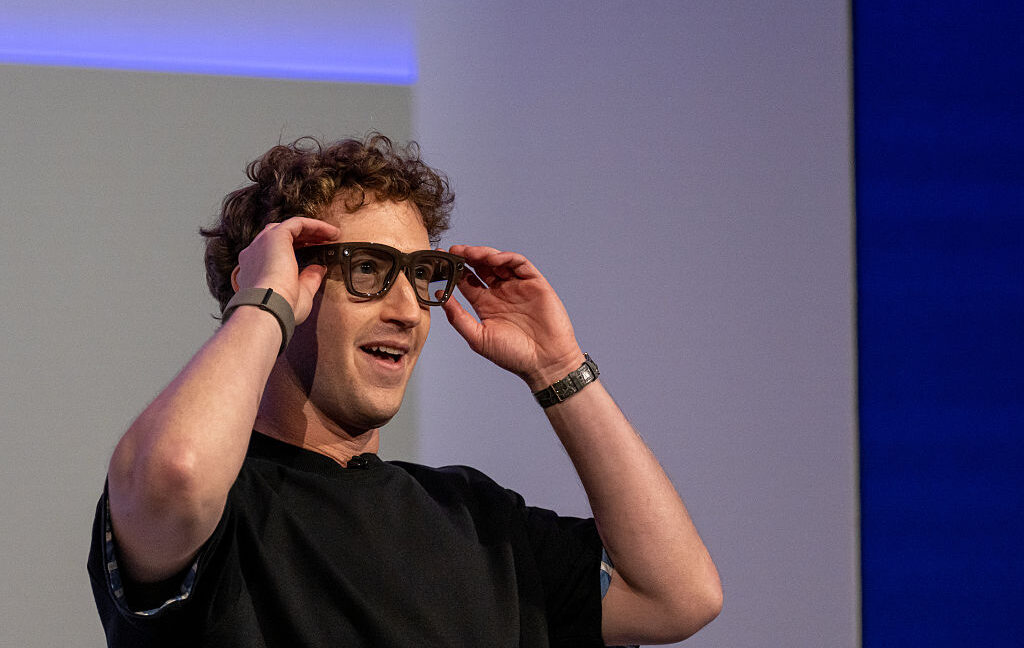
Smart glasses are no longer a novelty, and that’s becoming a problem for anyone who values being able to walk through a public space without ending up in someone’s camera roll. Meta’s AI glasses dominate the market, and with millions of units selling each year, the odds of being secretly recorded while grabbing coffee or standing in line are climbing fast. The backlash is already here. Schools, courts, restaurants, and entertainment venues have started banning the devices outright. Even DEF CON 2026, a conference packed with tech enthusiasts, has drawn a hard line — no smart glasses, no exceptions, and attendees with prescription pairs were told to pack regular eyewear.
But here’s the uncomfortable reality: a ban only works if someone can enforce it. Spotting Meta’s glasses isn’t always obvious, and enforcement often depends on users voluntarily disclosing that they’re wearing a camera, or on bystanders noticing and speaking up. That’s a fragile system. Security staff would need genuine technical familiarity to consistently identify the devices, and most don’t have it.
The Electronic Frontier Foundation has been sounding the alarm about what comes next. Cooper Quintin, a staff technologist at EFF, told Ars that as AI capabilities advance, the risks escalate dramatically. Facial recognition could turn these glasses from a passive recording device into a tool for generating convincing deepfakes or nonconsensual intimate imagery — all without the person on camera ever realizing a lens was pointed at them.
Privacy advocates argue that social friction alone won’t stop abuse. The real fix, they say, requires comprehensive consumer privacy legislation — something the US still lacks. Until that happens, Meta appears poised to push the technology further in its race to dominate the category. The question isn’t whether the glasses will get more capable. It’s whether anyone in a position of power will step in before the line between convenience and surveillance disappears completely.