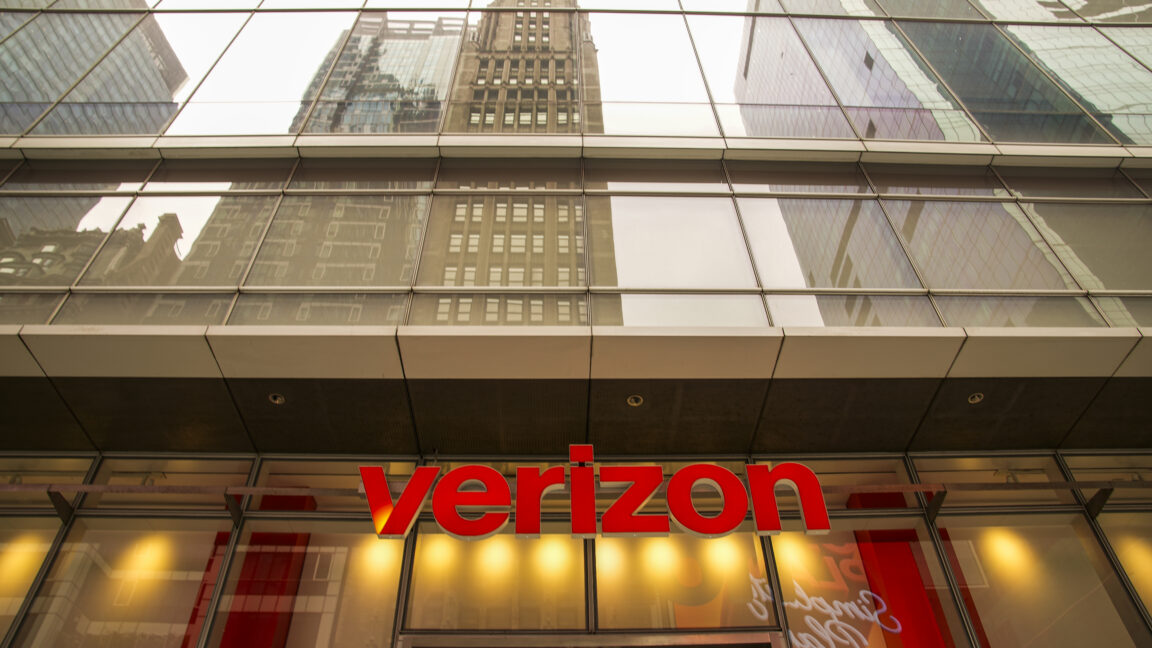
The AI buildout isn’t just a cloud story anymore — it’s ripping through the physical guts of America’s telecom infrastructure. Verizon just disclosed a deal worth more than $1 billion to connect Google’s data centers using its sprawling dark fiber routes. CEO Dan Schulman dropped the news during a second-quarter 2026 earnings call, framing it as the flagship win for a new “AI Connect” business unit. He also teased that more deals are coming, deals he says will be “worth multiple billions of dollars in revenue over the next several years.”
But the Google pact is only half the picture. Verizon is also tearing copper wiring out of its old central offices — those nondescript buildings that have anchored neighborhoods for decades — and converting them into compact data centers. The pitch here isn’t about training massive models in the cloud. It’s about inference. Schulman pointed to applications that choke on latency: autonomous driving, remote surgery, robotaxi fleets. Stuff that can’t wait 200 milliseconds for a round trip to a hyperscaler in the middle of nowhere. “Now it really is about, ‘how do you connect data center to data center to assure that you can optimize to maximize the ever-exploding need for compute?’” Schulman said.
The strategy pulls Verizon into a very different competitive arena. It’s no longer just selling pipes to enterprises. By retrofitting its own real estate for edge inference, Verizon is positioning itself as a landlord and power broker for the next wave of AI workloads. The dark fiber play with Google is a straightforward, lucrative lease on existing assets. The central office gambit is more speculative — it bets that inference demand will splinter away from centralized clouds and flow toward neighborhoods, factories, and city centers where latency actually matters.
I’m watching two things. First, whether the “multiple billions” pipeline materializes or if this is a single big customer masking a niche product. Telcos have a spotty record when they try to climb the value chain beyond connectivity. Second, the edge inference story has been promised for years — remember all those micro data centers that were supposed to power 5G? — and it hasn’t really caught fire. Maybe generative AI changes the calculus. Or maybe it’s just a fresh coat of paint on an old idea.