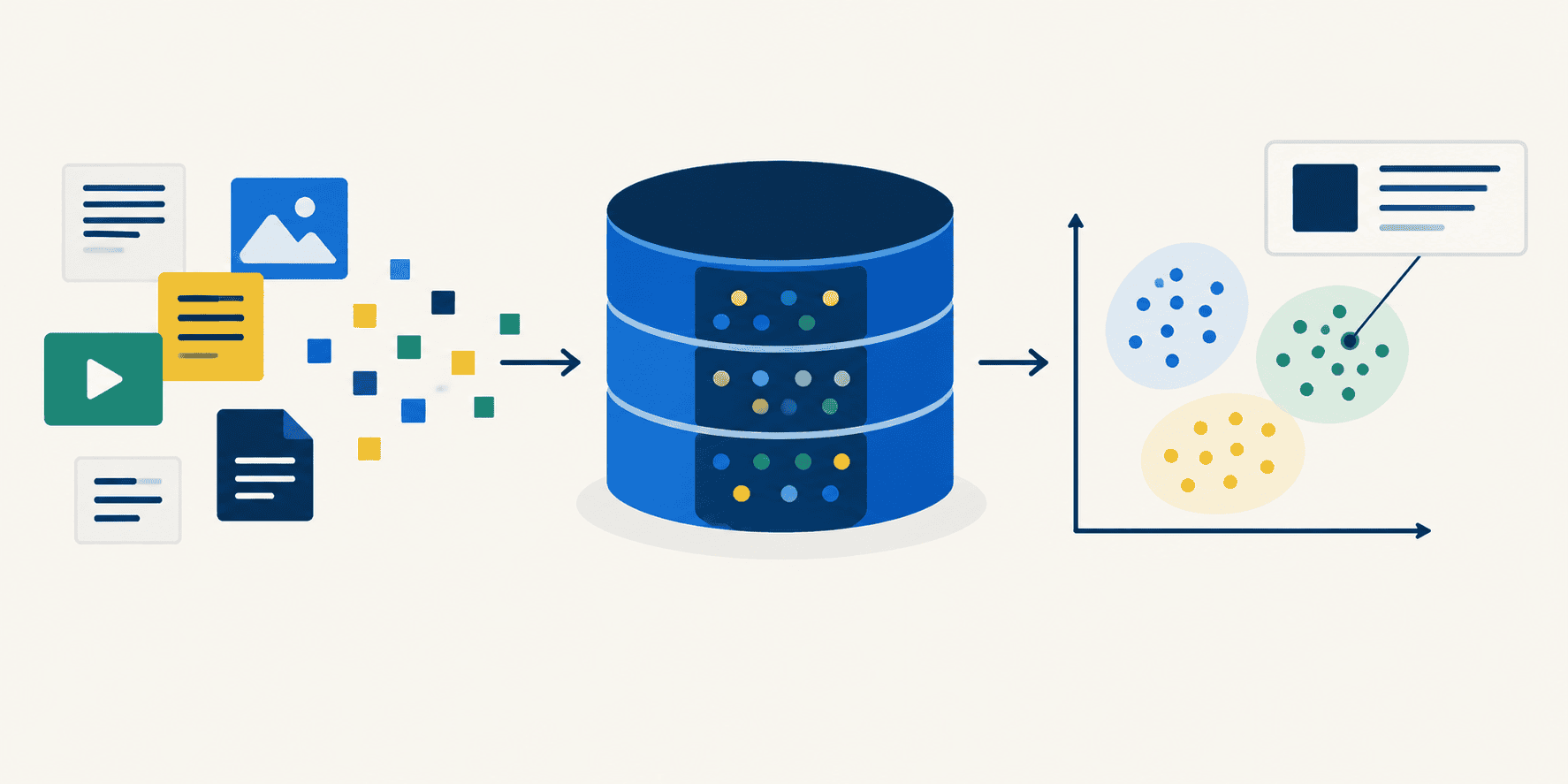
If you’re still slicing documents into rigid 512-token blocks for your RAG pipeline, you’re building a system that’s actively blind to meaning. That’s the core argument unpacked in a new deep dive on chunking strategies, which lays out why the naive approach is a direct line to hallucination. RAG, or retrieval-augmented generation, works like an open-book test for AI—but the retriever can only find the right answers if the “notes” it searches are coherent. When a fixed-size window severs a negative qualifier from its subject or splits a function definition across two vectors, the embedding model loses the plot before it even starts.
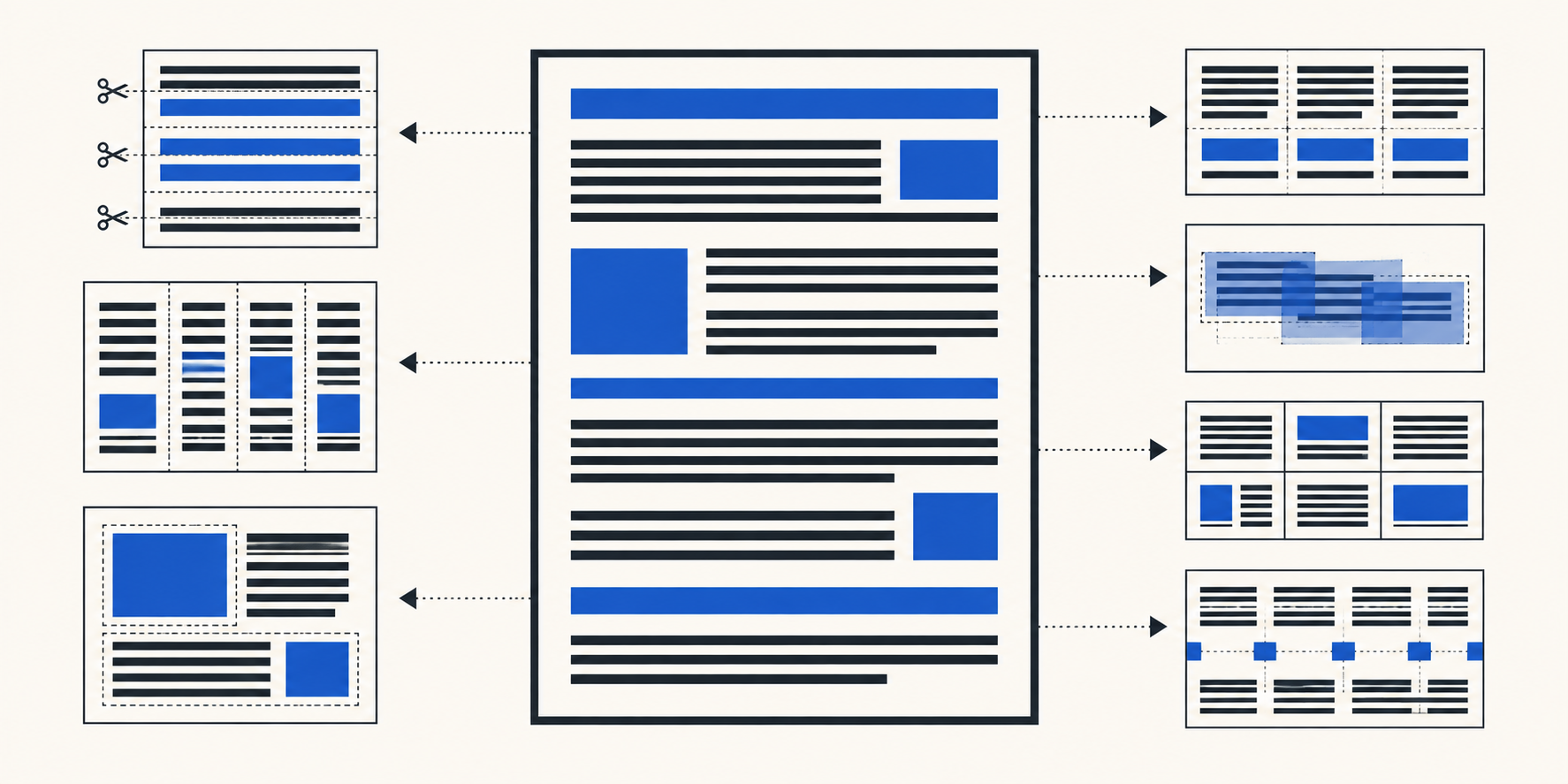
The piece walks through seven distinct strategies, from the simple to the sophisticated. Fixed-size token chunking with overlap is the baseline: fast, structurally blind, and useful mainly for homogenous log files where speed trumps nuance. Sentence-window retrieval flips the model on its head by embedding granular sentences for pinpoint search accuracy, then dynamically expanding the context window passed to the LLM. The catch? Without graph-based deduplication, overlapping windows from adjacent sentences can blow out the context window and spike latency. For heavily formatted documents, document-aware structural chunking parses DOM or markdown boundaries like headers and lists, prepending the header hierarchy to each chunk. It preserves global context beautifully, but large sub-sections can still exceed an encoder’s maximum sequence length, forcing a messy fallback.
For those willing to spend more compute, semantic chunking dynamically sets boundaries where the cosine similarity between consecutive embeddings drops, effectively grouping text by topic rather than token count. A newer, more radical approach is LLM-driven propositional chunking, which uses a model to rewrite raw text into atomic, standalone facts—transforming a dense paragraph into a list of self-contained statements that are nearly impossible for a retriever to misinterpret. It’s a powerful idea, but the ingestion cost is staggering, making it a luxury strategy for high-stakes domains like medical or legal analysis. Multi-modal table-preserving chunking rounds out the list, addressing the nightmare of summarizing a complex table into a single vector by extracting table metadata separately for structured queries.
The real insight here isn’t just which strategy to pick—it’s that chunking is only one piece of production hell. The article points to index lifecycle management and chunk deduplication as the unglamorous work that determines whether a system survives real query loads. You can have a brilliant semantic chunking algorithm, but if stale chunks from old document versions are poisoning your vector index, your retriever will confidently serve outdated facts as if they’re gospel. The takeaway isn’t to chase the most complex strategy, but to match the tool to the text’s inherent structure and be ruthlessly honest about the ongoing maintenance cost.