The uncomfortable truth about AI agents is that the model is rarely the problem. When these systems collapse in production, the failure almost always lives in the orchestration layer — specifically, in how the agent manages state. The model might be brilliant, but if the scaffolding around it loses track of what happened, who the user is, or what tools have already been called, brilliance doesn’t matter.
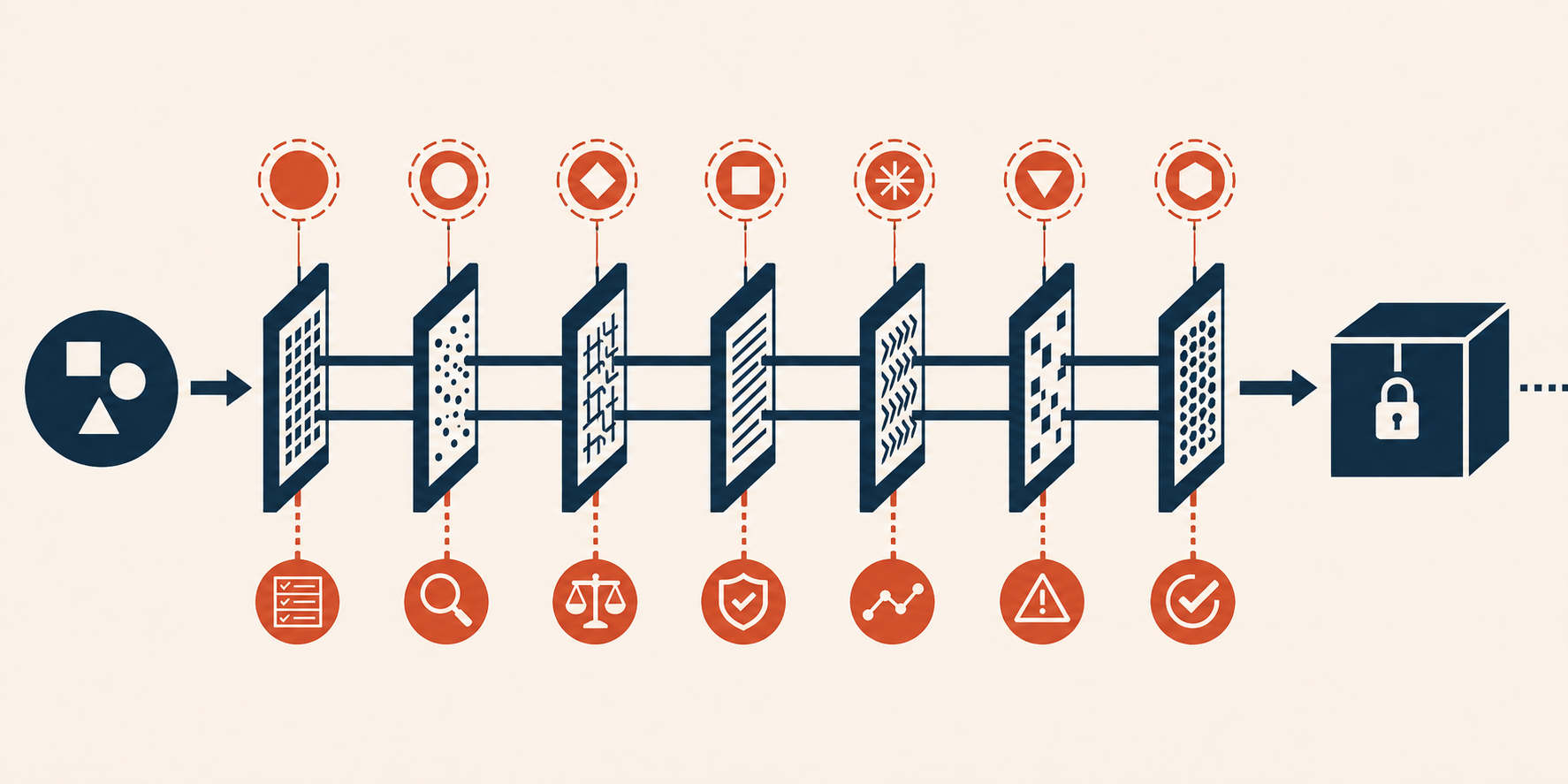
This guide lays out seven concrete regression tests, each returning a binary pass or fail, designed to slot directly into CI/CD pipelines. They target the failure modes that aggregate prompt evaluation will never surface: context loss when conversations approach the prompt budget, tool calls that fire twice under network retries, prompt injection through retrieved documents, and agents that loop forever without reaching a terminal state. The author is blunt about the setup requirements — stochastic behavior means single-run assertions are worthless. You need a pinned model snapshot, temperature zero where possible, and enough trials to establish a confidence-bounded pass rate. A flaky test, the piece warns, gets retried into silence and stops gating anything.
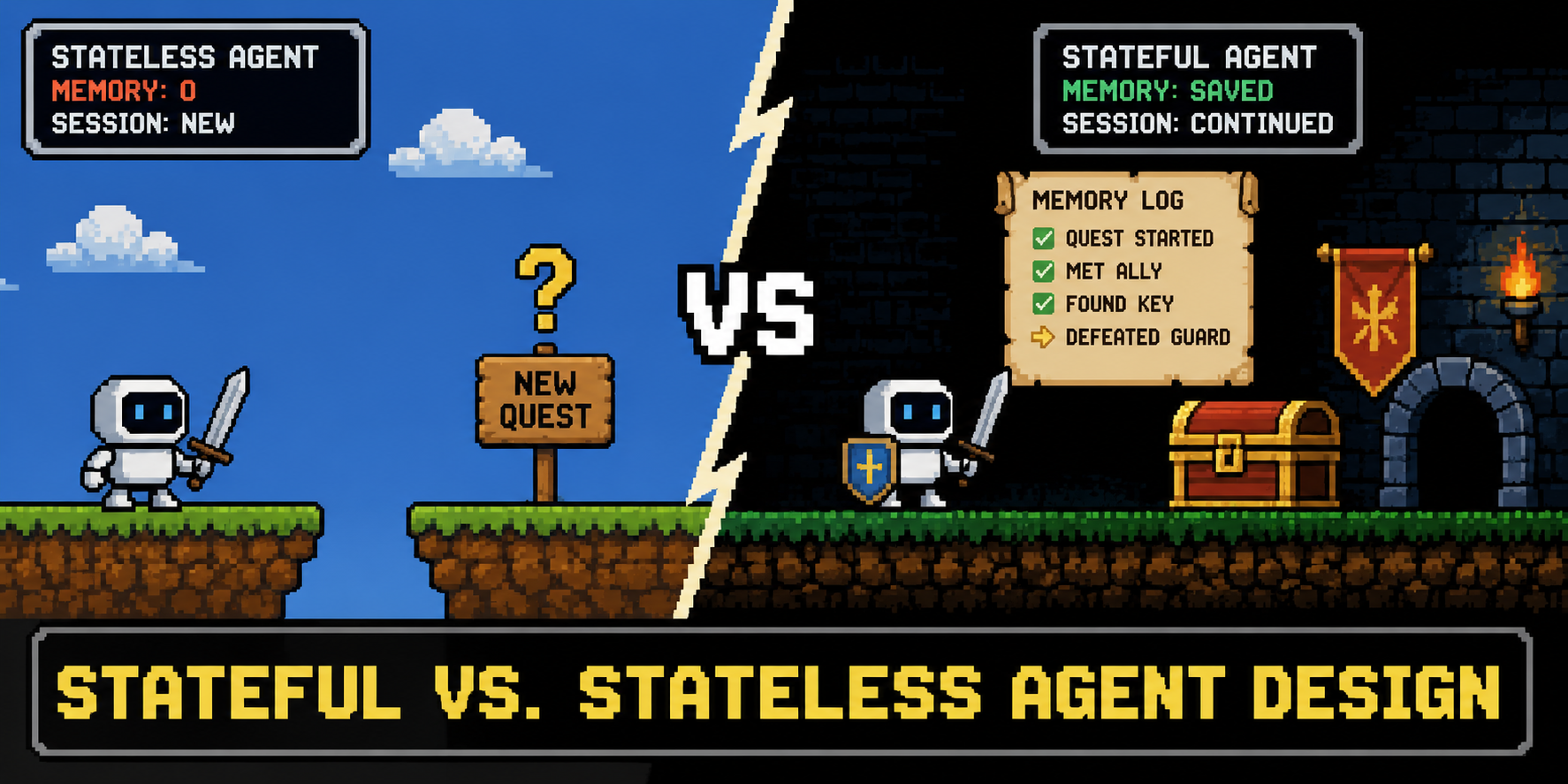
One of the sharper distinctions drawn here is between state and memory. State is the deterministic, transactional record of execution steps. Memory is the probabilistic context injected into the prompt. When agents misbehave, the fault sits in the state layer. That framing alone reframes where teams should spend their debugging hours. The context loss test is instructive: feed the agent a conversation at 80 percent of the prompt budget, then ask a question whose answer depends on a fact from the very first turn. The test passes only if retrieval surfaces that evicted turn or summarization preserved the entity relationships with measurable fidelity. The article warns against the OR-assertion trap — passing because retrieval worked is a different outcome than passing because summarization worked, and they should be separate tests.
The idempotency test addresses a grim reality: under real network conditions, an agent with write access will eventually emit the same tool call twice. Retries come from the harness, the HTTP client, or the orchestrator loop — not from the model. If your tool boundary isn’t idempotent, duplicate writes are inevitable. The fix is deriving idempotency keys from the logical identity of the operation, not from step ID or message position, which change on every loop iteration and defeat the mechanism entirely.
The security test is equally pragmatic. Inject adversarial payloads through direct user input and indirect vectors like retrieved documents. Then assert on the tool-call trace and side effects, not the output text. An agent can produce a polite refusal in prose while still emitting a harmful tool call underneath. Security lives at the execution boundary, which means role-based access control at the tool layer regardless of what the model intends. This is the kind of hard-won operational wisdom that only comes from watching agents fail in production — and it’s exactly what most teams skip until a user is the one who discovers the problem.