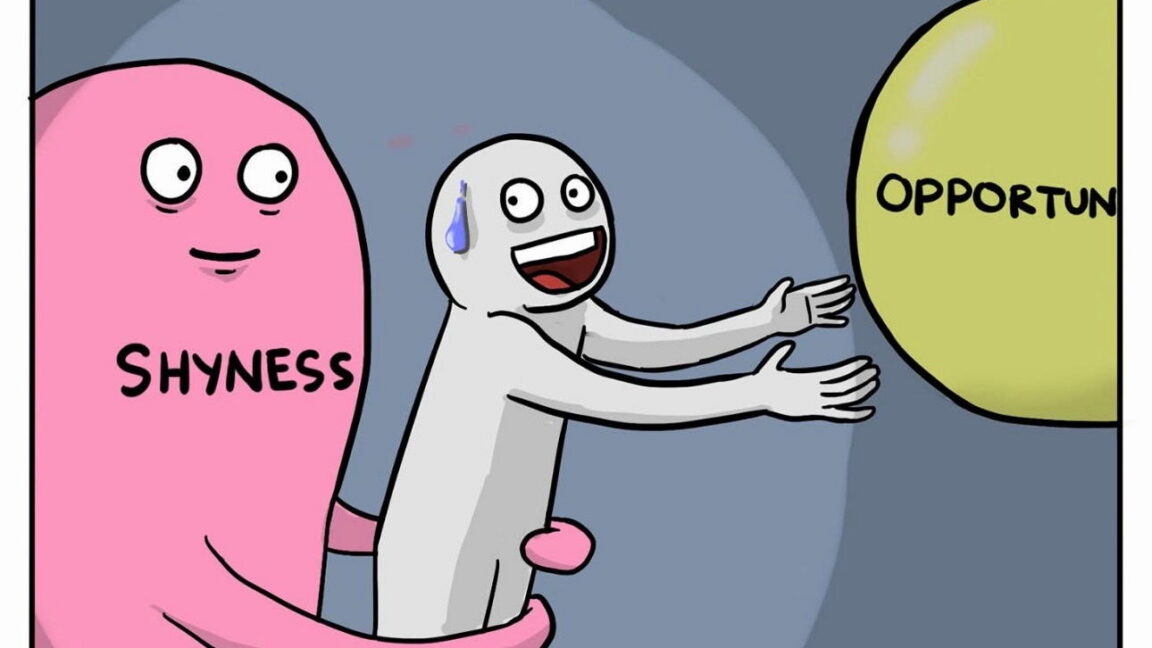
For years, the internet operated under an unspoken agreement: memes are for everyone. Remix, reshare, repost — the culture thrived on frictionless copying. But when an AI-powered ad platform started selling subscriptions to generate ads using Elmer Saflor’s “Running Away Balloon” comic without permission, that agreement broke.
Saflor, a digital artist from the Philippines who goes by Superelmer, has filed a copyright infringement lawsuit against Memes Apps, LLC, the company behind Memes.ai and Memes AI Studio. He’s not chasing a specific ad he saw in the wild. He hasn’t seen any. What he’s doing, as he told Ars Technica, is compelling discovery to force a much bigger question into the light: when a viral piece of internet culture becomes a commercial input for an AI generator, who owes what to whom?
This isn’t just about one balloon comic. Internet law expert Eric Goldman pointed to a 2024 ruling over the “SuccessKid” meme, where a court drew a sharp line between noncommercial sharing (likely fair use) and unlicensed use in advertising (not). Goldman says Saflor is telling “the right story for the judge” by framing this not as an attack on meme culture, but as a licensing failure by a commercial platform scaling infringement through automation.
Memes Apps hasn’t filed a defense yet, and the lawsuit’s scope could rattle an entire ecosystem built on the assumption that viral images are culturally owned. If Saflor succeeds, AI meme generators won’t be able to hide behind “it’s just a meme” as a legal shield. They’d have to start asking for permission — or building systems that don’t just vacuum up copyrighted work as free fuel.