The way developers work with AI is undergoing a fundamental shift, and it’s not about a new model. It’s about a new skill called ‘loop engineering,’ and it lets you close your laptop and wake up to a finished pull request.
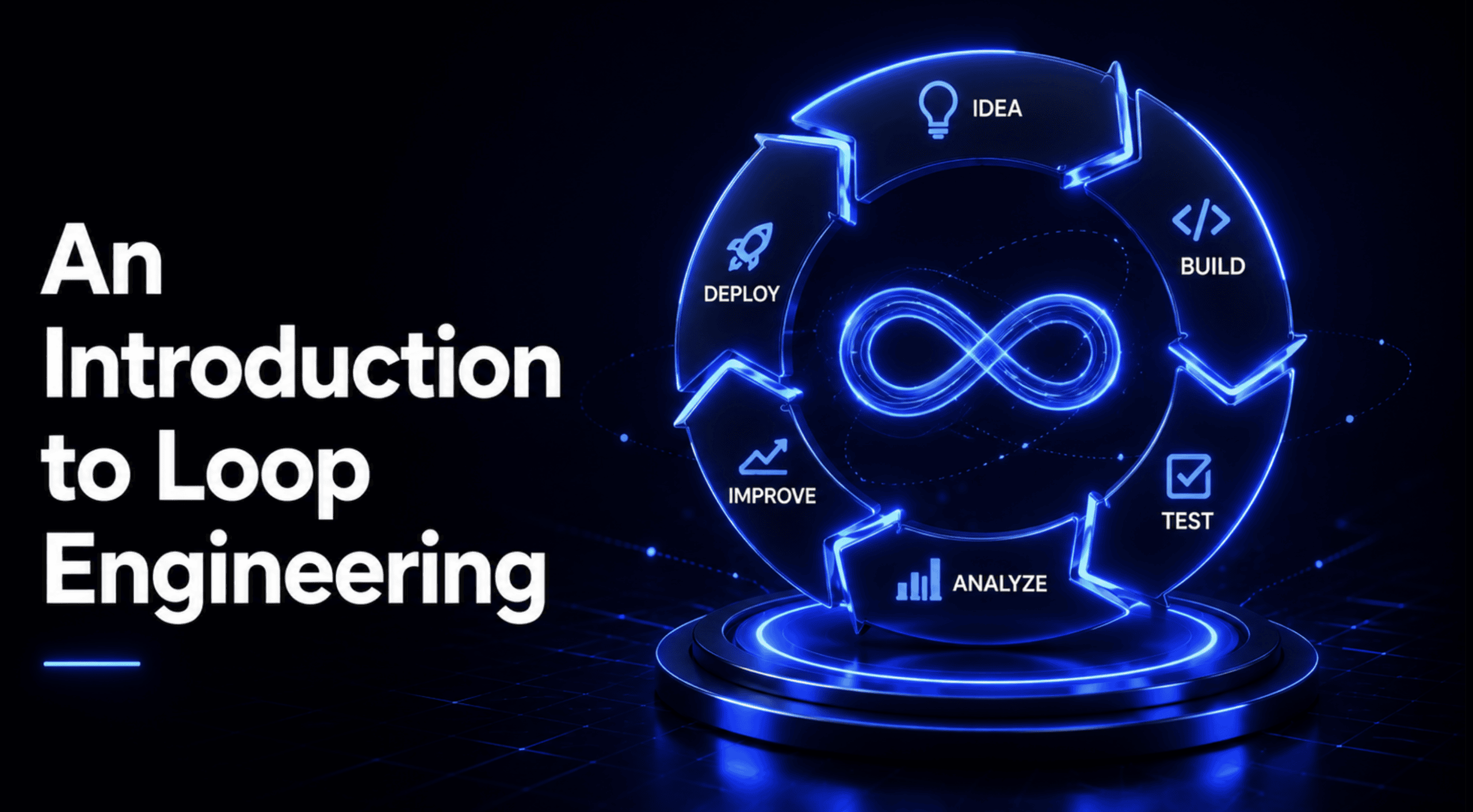
For years, working with a coding agent meant a relentless back-and-forth: type a command, wait, paste the error back into the chat, nudge it again. You were a babysitter for a tool that needed a hand on the wheel every three seconds. That experience is now archaic for a growing number of engineers who have moved from writing prompts to designing autonomous cycles. Loop engineering, as the practice is now known, changes the fundamental unit of work from a single prompt to a self-correcting cycle where an agent takes an action, checks the result, and decides its next move until a condition is met.
The term exploded into the mainstream practically overnight. On June 7, 2026, developer Peter Steinberger fired off a post on X arguing that the relevant skill was no longer prompting but designing the loops that do the prompting for you, a take that racked up a reported 6.5 million views in days. The next day, Google’s Addy Osmani published a detailed essay giving the concept a formal anatomy, including components like automations, skills, and external memory. But perhaps the most telling endorsement came from Boris Cherny, who leads Claude Code at Anthropic. As Osmani quoted, Cherny said bluntly, “I don’t prompt Claude anymore. I have loops running that prompt Claude, and figuring out what to do. My job is to write loops.”
The shift from a static ‘chain’ of prompts to a dynamic ‘loop’ is what makes this more than just a buzzword. A chain is brittle—it runs a fixed script and fails if anything goes sideways. A loop is resilient. It can discover that step B didn’t work, revise its approach, or even loop back to step A entirely. It’s the difference between following a recipe and trusting a chef to course-correct. The engineer’s role is no longer about crafting the perfect sentence but about defining a ‘recursive goal’—make the tests pass, triage every issue—and designing a system trustworthy enough to run unattended until the job is actually done.