So much for brotherly love in the AI race. A weekend spat between Sam Altman and Elon Musk has pulled back the curtain on what many engineers have been whispering for months: the idea of orbital AI data centers driving a multi-trillion-dollar valuation is, to put it kindly, not grounded in near-term reality. The whole exchange kicked off when Musk leveled his favorite insult at Altman, prompting a response that was more substantive than just playground name-calling. “Homeboy you’re the one sellling [sic] public market investors on short-term space datacenters,” Altman shot back. Grammar aside, that’s a direct hit at the core of SpaceX’s sky-high $2 trillion valuation, a figure heavily propped up by the promise of a space-compute gold rush.
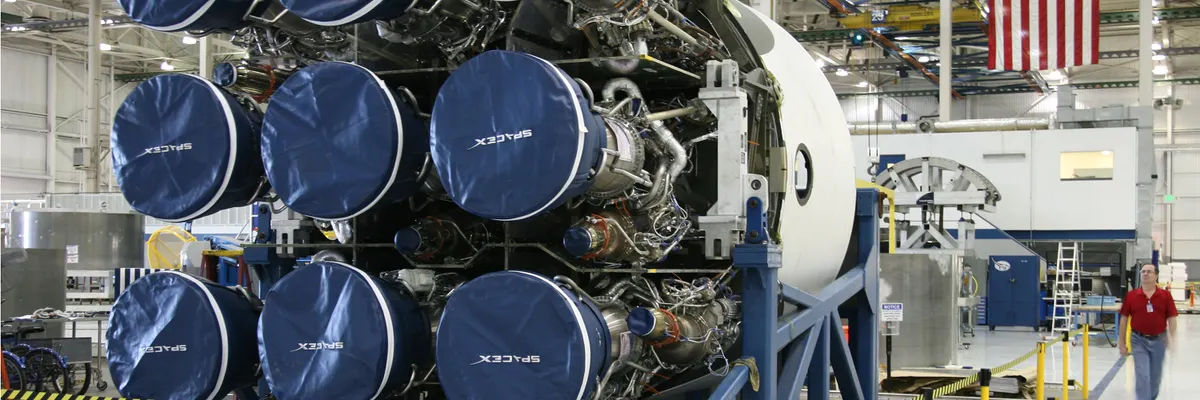
When you actually sit down with the people building this stuff—rival space data center founders, the team at Google hatching its own orbital compute project, or just engineers who run the numbers for sport—a pattern emerges. The consensus is blunt: none of this becomes a genuine business until two things happen that haven’t happened yet. We need dramatically cheaper rockets and the industrial capacity to churn out high-powered satellites like consumer electronics. We’re not there. Musk’s rebuttal to all this skepticism is predictably pinned on Starship, the giant rocket slated for its 13th test flight as soon as July 16. The theory is simple. Once Starship flies, lands, and flies again with airline-like regularity, the economics of hauling server racks to space suddenly make sense.
But that’s a theory doing a lot of heavy lifting. Even if the next test perfectly recovers both stages, operational reusability isn’t a switch that flips overnight. We’re talking years, not months. And in that timeline, space data centers will likely be elbowed out of the way by SpaceX’s very real commitments to NASA and its own cash-cow Starlink network. The company’s own IPO road show filings poured cold water on the fantasy too, conceding that Starship’s upper stage might not be reusable anytime soon and would need to be tossed away after each launch. That single detail effectively kills the business case for an economical orbital cloud before it gets off the ground.
Musk’s counterpunch that “We start flying them next year” is technically true but misses the point entirely. Sure, SpaceX can probably staple a GPU to a satellite bus and get it into orbit in 2025. That’s a stunt. The real question investors should be asking isn’t about the first launch, but the fiftieth—and whether it can be done at a cost that competes with just building another earthbound data center in Iowa. That answer, by almost any honest engineering estimate, is a question for the 2030s, not next year’s launch manifest.