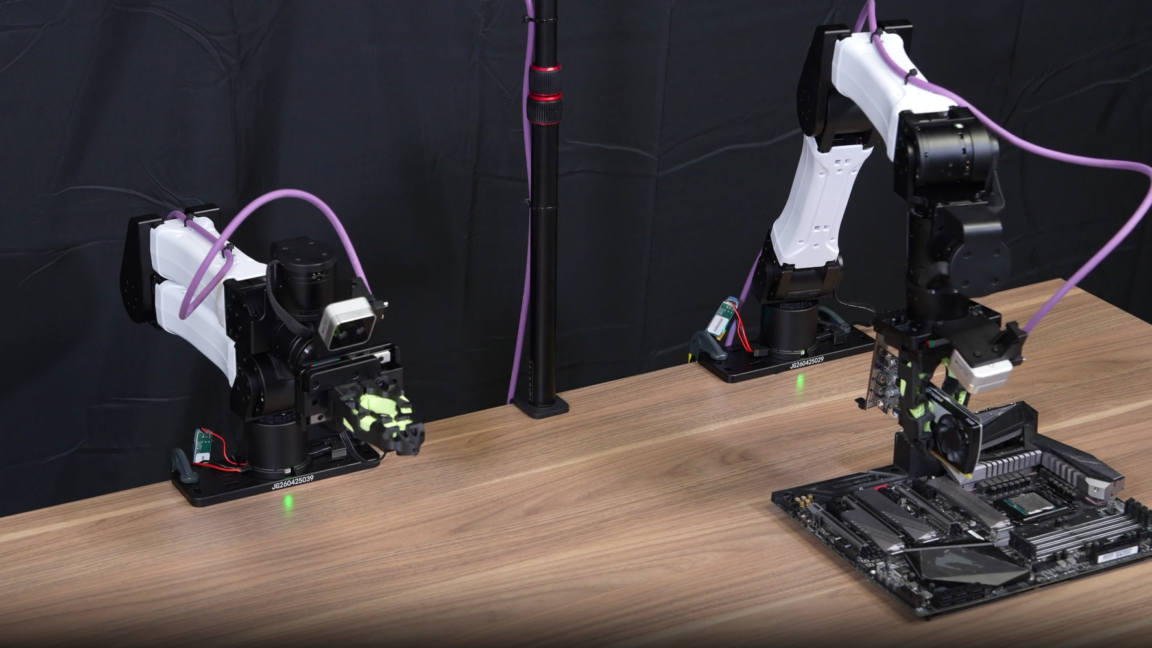
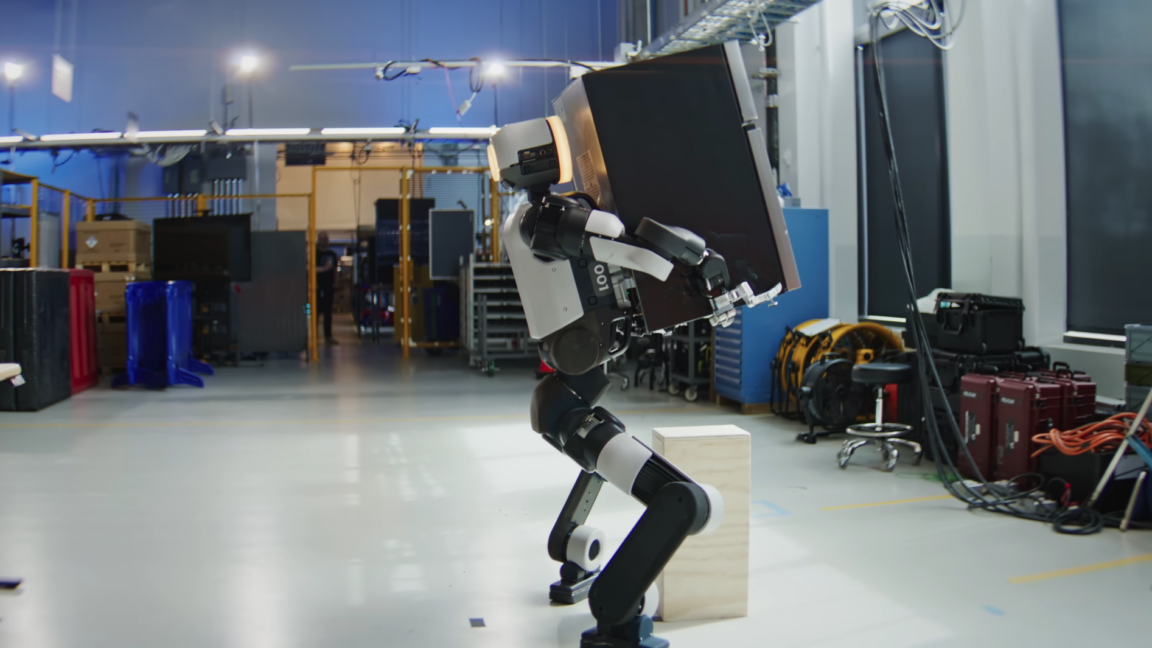
The physical world is messy, fragmented, and notoriously hard to automate at scale. Arm is betting big that it can bring order to this chaos with the launch of Arm Total Design for Physical AI, a new initiative targeting the estimated $200 billion annual compute opportunity in sectors like mining, agriculture, and manufacturing by the 2030s. The core problem isn’t just raw processing power; it’s engineering fragmentation. Hardware manufacturers and software developers currently lack a shared language, making it risky and slow to move from proof-of-concept to full deployment. Arm aims to fix this by convening over 80 partners, including AWS, Siemens, and Hugging Face, to establish common baselines for integrating AI models, sensors, and actuators.
Central to this effort is the new Robotics Capability Framework. Think of it as the SAE Levels for driving automation, but applied to all robotic systems. Richard Grisenthwaite, Arm’s chief architect, notes that the industry currently lacks a common method to describe or compare system capabilities. This new framework categorizes machines into tiers based on operational sophistication, ranging from simple reactive setups to complex, self-improving cognitive systems. Each tier defines specific constraints for latency, memory, power, and safety. By linking real-world use cases to these technical parameters, Arm hopes to reduce integration risk and give engineers a clear vocabulary for what their hardware can actually handle.
This isn’t just theoretical paperwork. Arm is extending its collaborative development structure, previously used for cloud AI, into the physical realm. The company demonstrated this approach in the automotive sector, where partners like Google and HERE built an integrated digital cockpit reference solution. This allowed teams to validate complex code on the Arm Zena CSS platform before physical silicon was even available. Now, that same virtualization strategy is being applied to robotics, enabling earlier testing cycles and reducing the cost of failure. It’s a pragmatic shift from selling chips to selling an ecosystem.
While NVIDIA dominates the high-end training market with its Jetson platforms, Arm is positioning itself as the neutral arbiter of standards for the broader industrial base. By defining the tiers, Arm controls the conversation around what constitutes “capable” hardware. The success of this initiative hinges on adoption. If major players stick to their proprietary silos, this framework becomes just another PDF. But if the 80 initial partners can align, Arm might finally solve the interoperability headache that has plagued industrial automation for decades.