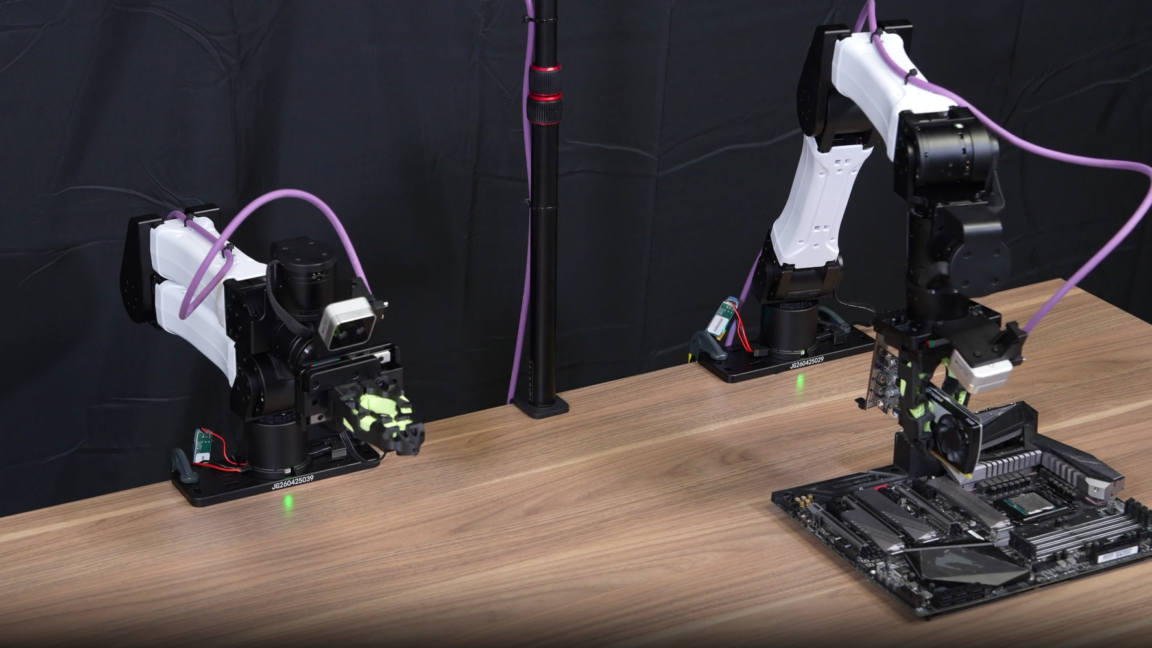
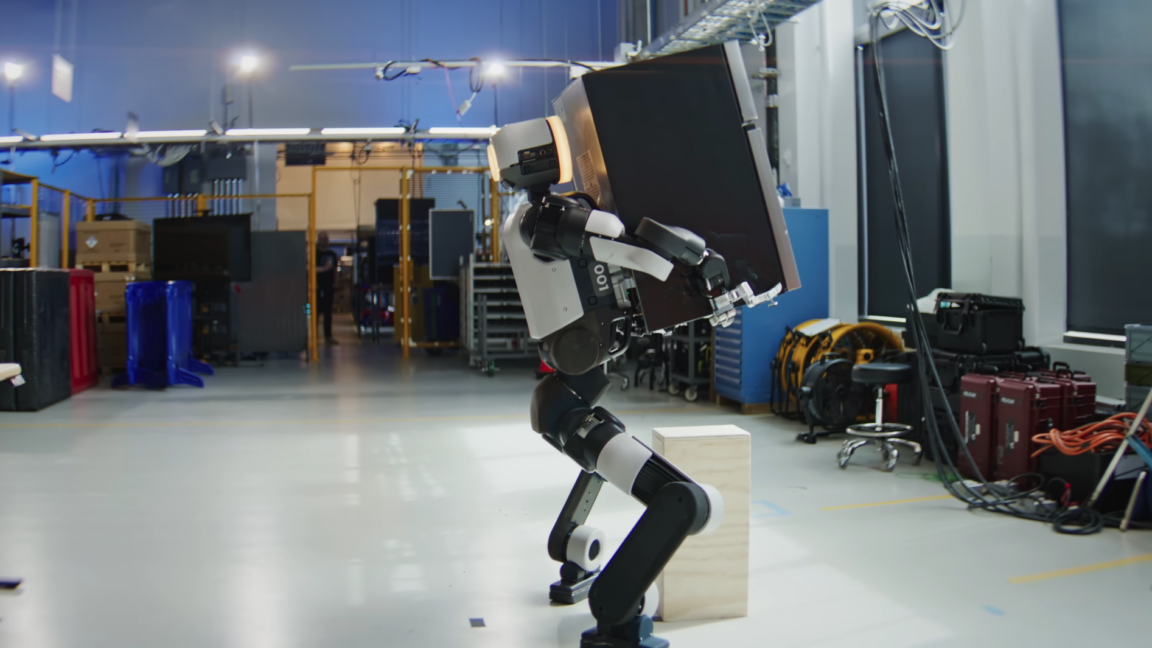
JD.com is doubling down on hardware with a bold five-year procurement target that sounds more like science fiction than logistics. The e-commerce giant plans to acquire 3 million robots, 1 million autonomous vehicles, and 100,000 delivery drones under its new Physical AI Acceleration Plan. Unveiled at JDDiscovery 2026 in Beijing, the strategy introduces the industrial Wolf Robot series, built to handle everything from sorting to last-mile delivery in temperatures as low as minus 20 degrees Celsius. This isn’t just about buying metal; it’s about integrating physical execution with digital brains.
The real engine here is Meta Brain 3.0, JD’s proprietary AI system that now calculates optimal routes for hundreds of millions of parcels in seconds, a task that previously took minutes. This speed boost powers tools like the LangzuTech Packer, a robotic arm using multimodal sensor data and parallel reinforcement learning to grasp irregularly shaped items. By simulating environments before deploying code, JD claims to optimize loading layouts and sorting efficiency without disrupting live operations. The Packer already runs around the clock at multiple logistics parks, proving that simulation-to-reality transfer is moving beyond the lab.
Infrastructure spending backs up the rhetoric. JD Logistics poured RMB2.3 billion into research and development in the first half of 2026, a 23.7% increase year-over-year. To support the computational heavy lifting, JD Cloud is partnering with Chinese chipmaker Moore Threads to build a massive 100,000-GPU cluster for large-model training. They also plan to collect over 10 million hours of real-world human activity video to train embodied AI models. This data hunger highlights a shift: algorithms are no longer enough, they need to see how humans actually move boxes to learn effectively.
While competitors like Alibaba and Meituan pivot toward similar infrastructure wars, JD’s edge lies in its existing scale. With over 1,800 self-operated warehouses and thousands of unmanned vehicles already active across 20 provinces, the company has a testbed few can match. Night-time autonomous routes in Shenzhen and seven-minute drone deliveries in rural Sichuan show the system working in fringe conditions. Yet, JD hasn’t disclosed the total cost or ROI targets for this five-year spree. As depreciation costs rise and capital expenditure hits RMB3.09 billion in six months, the pressure is on for these silicon and steel investments to pay off before the market demands proof of profitability.