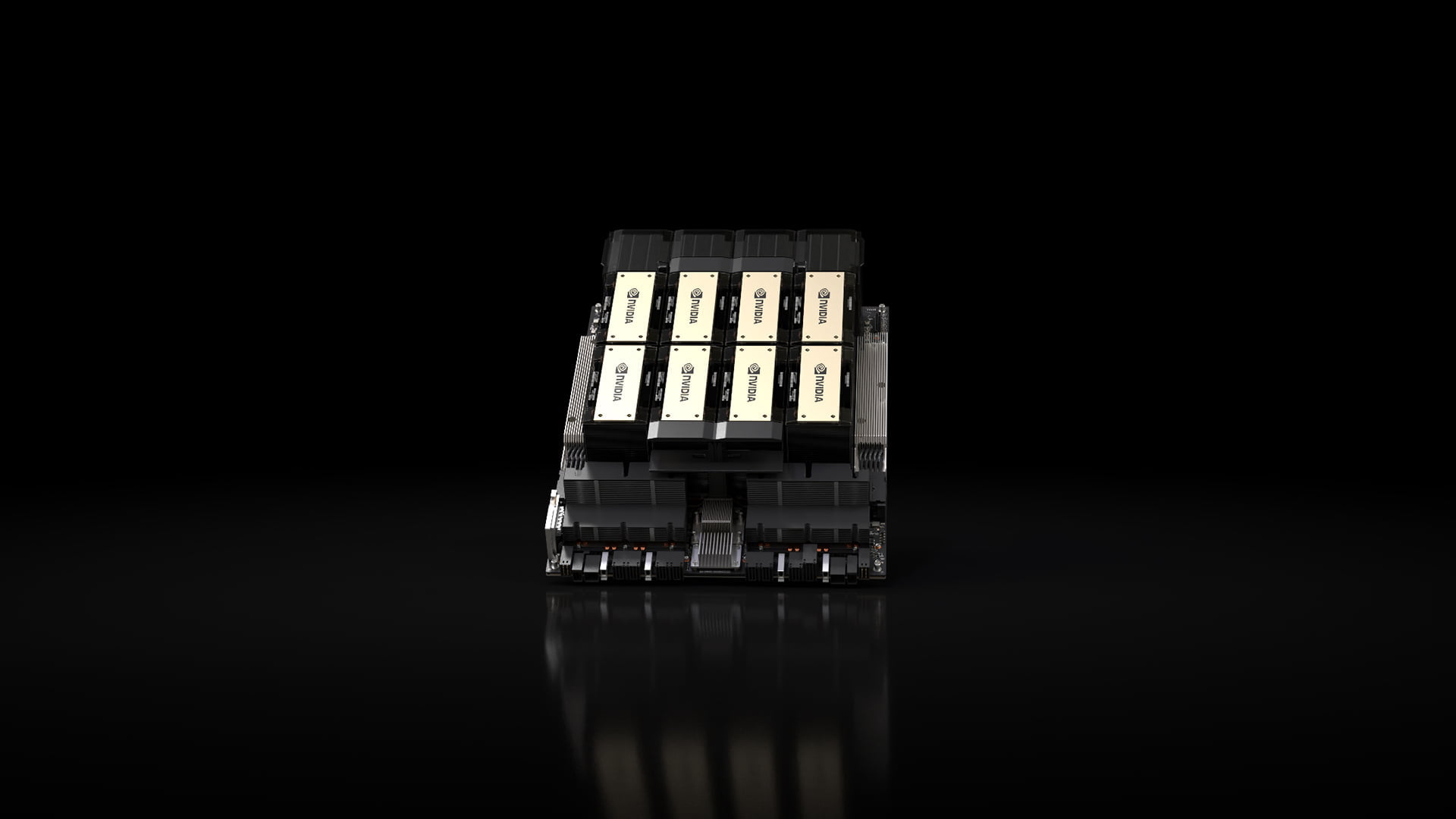
China is quietly greenlighting small shipments of Nvidia’s H200 chips to keep domestic AI firms in the race with the United States. ByteDance and Tencent each received around 10,000 H200 processors, according to the Financial Times, and more companies could follow. That’s a notable shift in Beijing’s posture — but the scale tells the real story.
The H200 sits at least two generations behind Nvidia’s most powerful silicon, which Chinese companies can’t touch under US export controls. Washington’s rules cap each firm at 100,000 H200s. Beijing, meanwhile, requires sign-off from the NDRC planning agency on every purchase and wants to funnel demand toward domestic chipmakers like Huawei. Hong Kong shipments are technically permitted, but the city’s lack of data centers and reliable power makes that route largely theoretical.
Chinese labs are closing the gap on model quality. Moonshot has K3, Alibaba has Qwen3.8, DeepSeek has V4, and Z.ai just dropped GLM-5.3. What they don’t have is inference capacity. The constraint is so acute that Moonshot reportedly had to turn customers away after a demand surge — something unheard of for a well-funded Western lab. Nvidia, for its part, is sitting on roughly half a million H200s in inventory.
The subtext here is that Beijing’s silicon nationalism and its AI ambitions are in direct tension. Every H200 it approves is a chip that didn’t go to Huawei. The 10,000-unit tranches are enough to keep labs from collapsing, but nowhere near enough to compete on serving real users at scale. That bottleneck, not model quality, is where the US-China gap is widening fastest.


