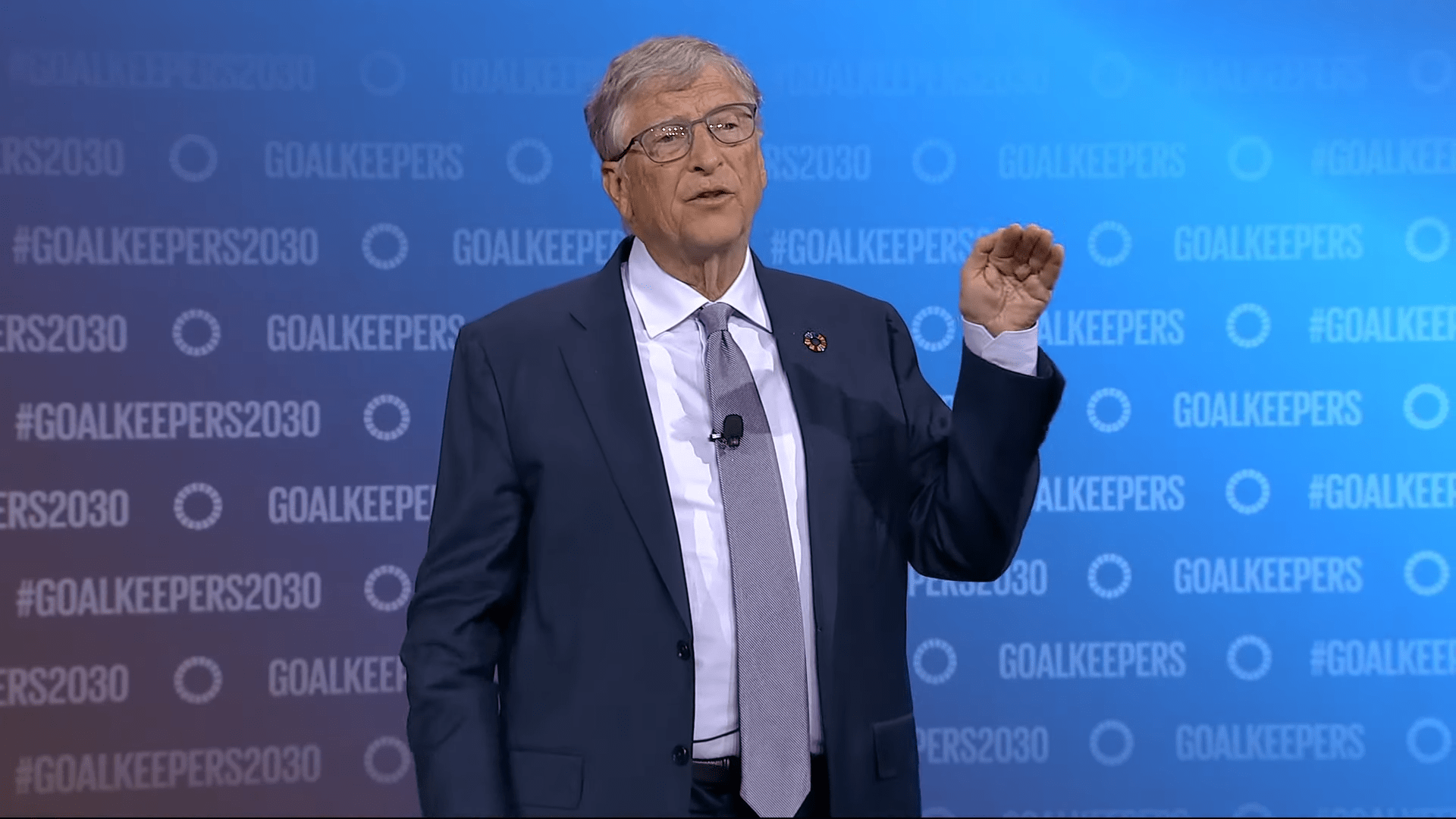
Bill Gates is putting his money where his mouth is, committing at least $1 billion over the next two years to reshape how artificial intelligence serves the global majority. This isn’t just philanthropy; it’s a corrective measure for a technology currently skewed heavily toward English speakers. In the Gates Foundation’s 2026 Goalkeepers report, he argues that the next 12 to 18 months will determine if AI becomes a tool for equality or a wedge driving the rich and poor further apart. The stakes are high, and the timeline is immediate.
The core problem is data imbalance. Early large language models trained on datasets that were more than 90 percent English, leaving billions of people effectively invisible to these systems. The performance gap is stark. While English speech recognition errors sit below 6 percent, systems fail more than 60 percent of the time when processing Yoruba, a major West African language. In healthcare, such inaccuracies aren’t just inconvenient; they can be fatal. Gates contends that the free market won’t fix this structural bias because it prioritizes paying customers over equitable access.
To prove that targeted intervention works, the foundation points to early pilots with tangible results. In Kenya, an AI diagnostic aid at Penda Health clinics boosted diagnostic accuracy by 16 percentage points. Sierra Leone saw students using Gemini Guided Learning achieve gains equivalent to 1.7 years of schooling in just eight weeks. Meanwhile, India’s MahaVISTAAR service delivers digital farming advice to over 740,000 people for less than 18 cents per user. These projects demonstrate that when AI is tuned for local contexts, it delivers outsized value.
This aggressive push for accessibility contrasts sharply with Gates’ recent warnings about AI’s existential risks, from job displacement to bioweapon proliferation. He previously accused tech firms of downplaying these dangers for profit. Now, he positions policy and directed funding as the only safeguards against a fractured digital future. With the foundation planning to spend roughly $200 billion before closing in 2045, this $1 billion bet is a clear signal: if we don’t actively build inclusive AI, we’ll inherit a world where technology only works for the few.