Four hours. That’s how long Tabytha “Taby” Scott spends with a single client, transforming ten bare fingernails into what she calls “tiny canvases.” The process is grueling—removing old acrylics, shaping new ones with dental tools, enduring the endless buzz of pneumatic files. The real pressure, though, hits at the moment of creation. A blank nail and a client’s vague preference for green can feel like an impossible brief, especially for a professional whose job is to be creative on demand, day after day. That’s where the AI comes in.
Taby isn’t a machine-learning engineer. She’s a licensed nail tech who has drawn on her nails since she was 10, sketching a tiny US flag on each finger after 9/11. But recently, she’s added a new partner to her tight, blue-lit salon: ChatGPT. When a customer asks for a green marble pattern with a golden pop but can’t visualize it, Taby queries the app. A peppy synthetic voice suggests specific shades like “light jade” with “delicate thin white lines” to evoke organic marble texture. It’s not the final word. Taby listens, then adds her own “flare,” translating AI-generated color palettes and position suggestions into physical brushwork.
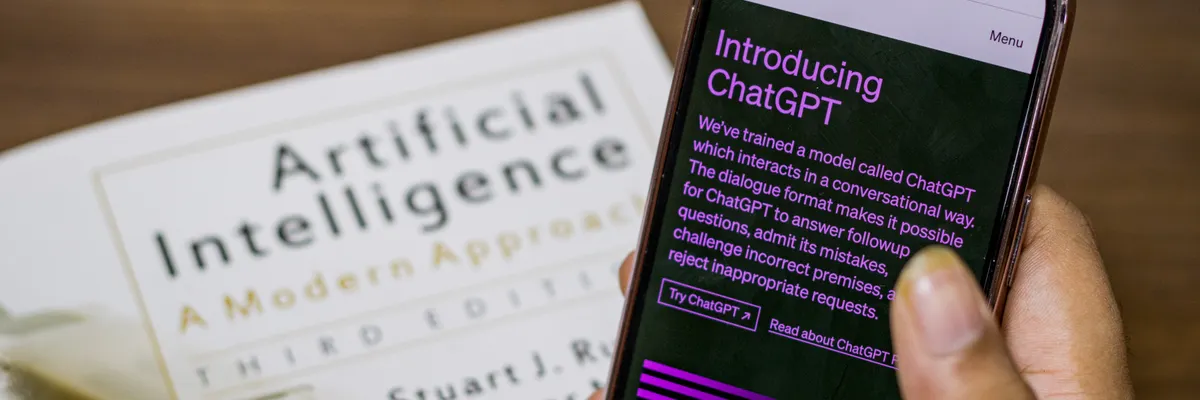
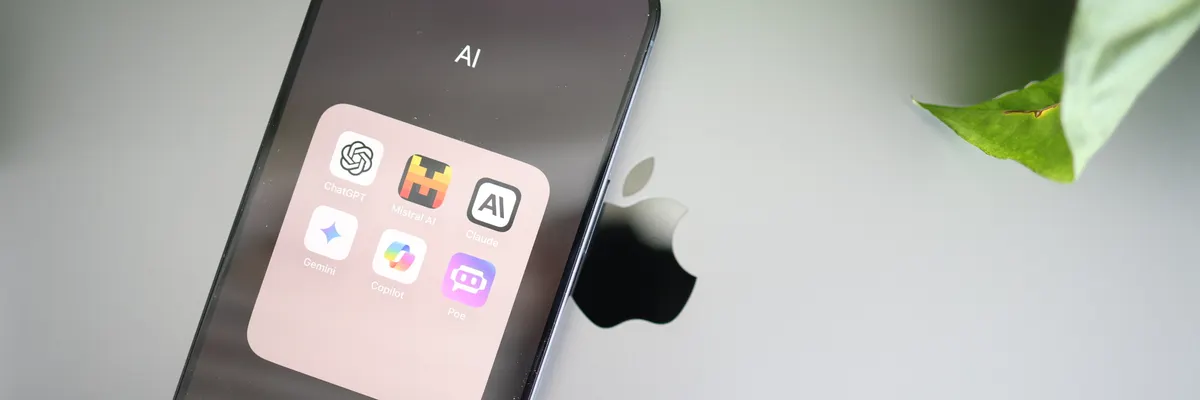
This is a pragmatic embrace of technology, not a sci-fi takeover. Taby already used ChatGPT for marketing copy, exercise plans, and vegan recipes before she started bringing it into the salon. The turning point was a creative block with a tough client. “I wanted to test its limitations,” she says. “I know that it understands art, I know that it understands color.” The tool doesn’t dictate the design; it collapses an infinite field of ideas into a manageable list of 10 or 20 concrete options. The AI acts as a collaborative filter, a digital colleague that helps zone in on a vision when the blank canvas feels too vast.
But Taby draws a clear line. “I just think art needs that human element,” she insists, linking the work directly to emotion and selfhood. For her, the AI is simply an additive—a tool to cushion the mental exhaustion of constant creativity. The real gift isn’t the algorithm’s suggestion; it’s what happens after four hours of intense labor, when a client walks out wearing a custom piece of art that might brighten their day for the next three weeks. The tech handles the ideation bottleneck, but the human connection remains indescribable.