Moonshot AI just put real weight behind its frontier-model ambitions. The Beijing-based company dropped the model weights for Kimi K3 on Hugging Face alongside a technical report and a surprising amount of infrastructure — high-performance attention kernels, an MoE communication library, and tools for running AI agents at scale. That’s a level of openness that goes beyond a typical model release and starts looking like an attempt to build an ecosystem.
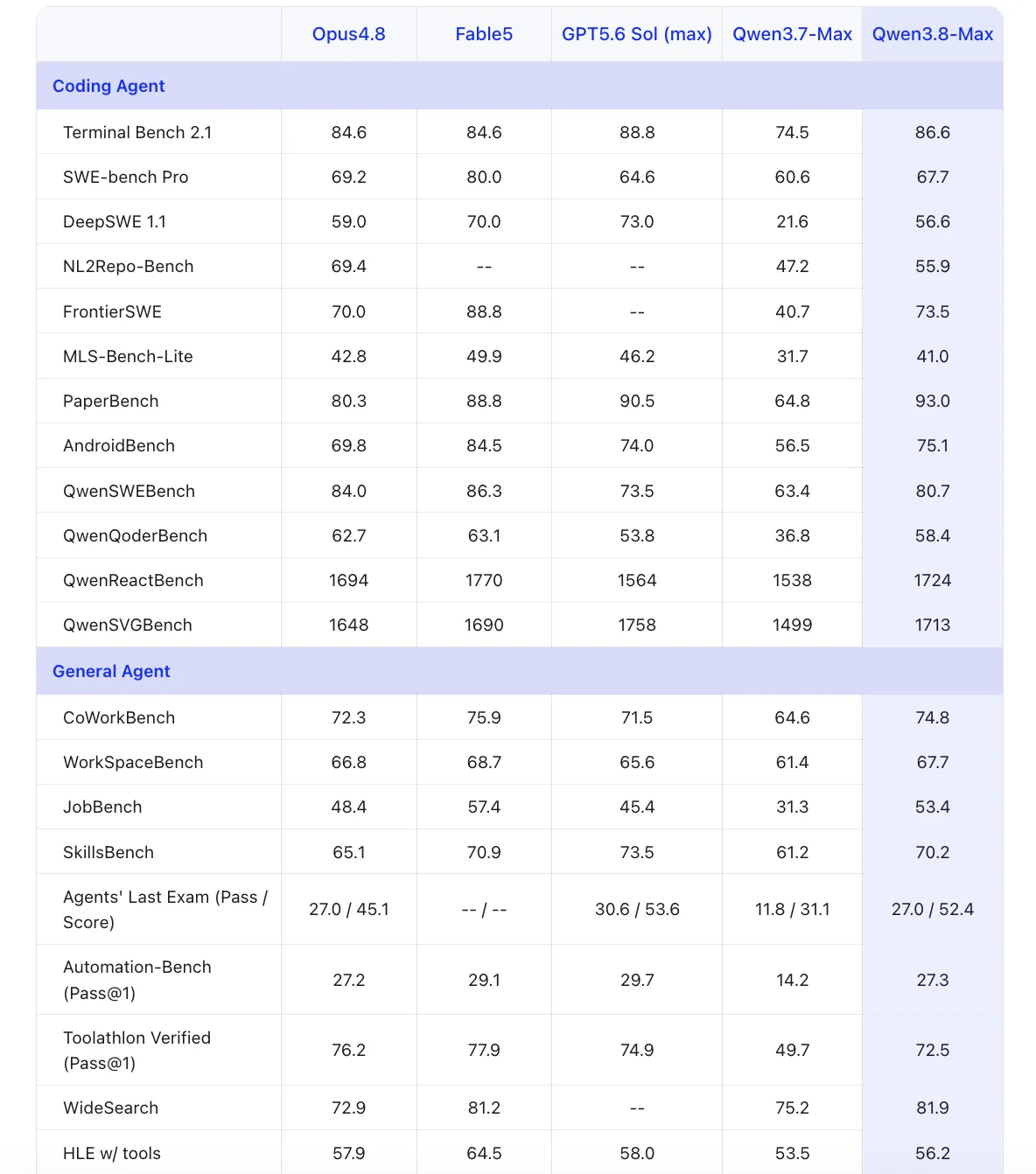
The efficiency claim is the headline grabber: 2.5 times more intelligence per unit of compute compared to standard architectures. On popular benchmarks, Kimi K3 has been nipping at the heels of Western heavyweights like Fable 5 and GPT-5.6 Sol since it was first announced in mid-July 2026, but at a lower cost. That price-performance ratio is exactly what enterprise developers obsess over.
Not everyone is impressed. The UK’s Cyber Institute ran its own evaluation and found the model’s cybersecurity capabilities “lag far behind” frontier competitors. Math skills showed the same gap. That pattern — strong benchmark scores coupled with weak reasoning in specialized, high-stakes domains — is a classic fingerprint of distillation. It suggests the model may have learned to mimic the test-taking style of a larger teacher rather than developing robust underlying capabilities.
Moonshot AI didn’t address the distillation question directly in the release, but the debate is shifting. While Chinese labs routinely face that accusation, a growing faction of American open-weight advocates now argue distillation is a perfectly legitimate training technique. Whether enterprise security teams agree is another matter entirely. The tools are out there now, and the burden of proof sits squarely with Moonshot.