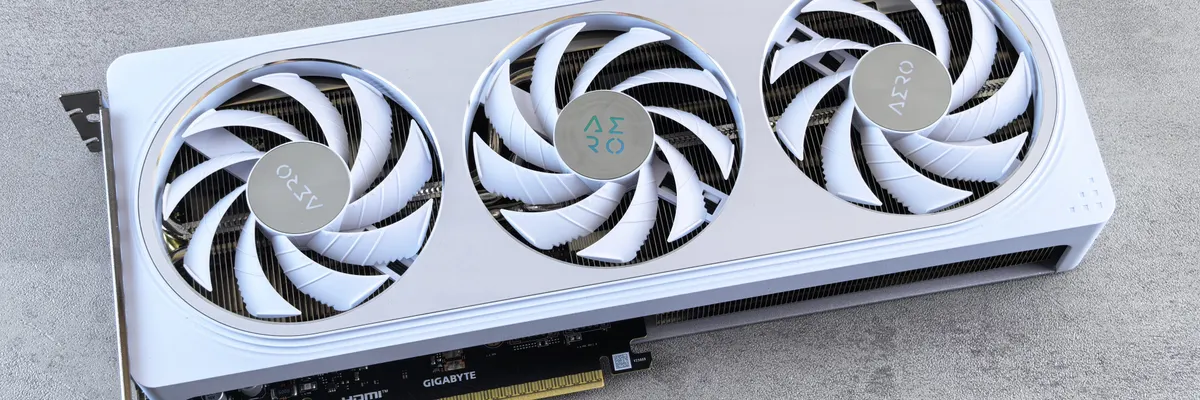
Nvidia has convinced six of the biggest names in finance to explore turning GPUs into a tradable asset class. Apollo, BlackRock, Blackstone, Brookfield, Goldman Sachs, and KKR are all working with the chipmaker on a potential $500 billion financing arrangement. Jensen Huang’s pitch to CNBC was straightforward: “This is really the first time that technology chips have become an investable asset class.” He described the chips as revenue-generating, productive, long-lived, fungible, and flexible.
BlackRock CEO Larry Fink drew the comparison nobody in tech wanted to hear. He told CNBC the moment reminds him of when he started in the mortgage-backed securities market in the 1970s, calling it “a next future for financial engineering.” That’s a loaded analogy. Mortgage-backed securities famously blew up in 2008 when the underlying assets — homes — were overproduced and overvalued. Mark Rubinstein, a former hedge fund manager, points out the AI industry is already saturated with data centers, while Chinese open-source models are delivering strong performance with less compute. Both trends undercut the assumption of endlessly rising chip demand.
There’s also a glaring inconsistency in Huang’s own messaging. At Nvidia’s AI conference last year, he said of the company’s previous-generation Hopper chips: “When Blackwell starts shipping in volume, you couldn’t give Hoppers away.” Now those same chips are supposedly long-lived, productive assets. Silicon Data projects rental prices for older chips will keep rising through 2028, and one cloud provider reportedly nearly doubled prices on Blackwell B200 rentals during a contract renewal. So the market is real, for now.
But the entire arrangement is built on memorandums of understanding, not signed deals. Nvidia signed a $100 billion MOU to invest in OpenAI last year that went nowhere. MOUs let companies announce big numbers without committing to anything. Even as a trial balloon, though, the message is clear: Nvidia wants Wall Street to treat its chips the way it treats real estate or bonds. The question nobody has answered is whether the companies renting those chips — Anthropic, OpenAI, and the rest — can actually generate enough revenue to keep the whole structure standing. Huang’s careful use of the word “compute” rather than “GPU-backed loans” suggests he knows exactly how the old framing sounds.