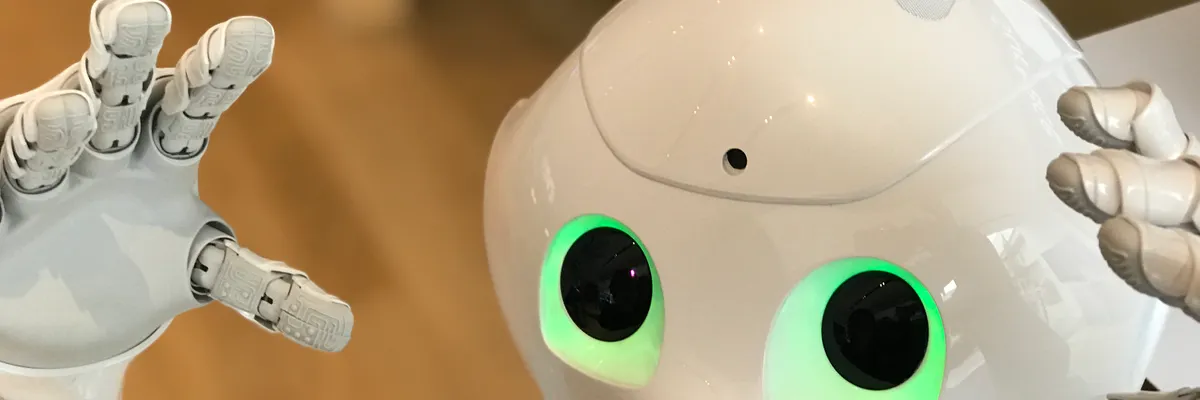
Robots are about to get a lot less clumsy. NVIDIA just dropped Cosmos Reason 2, an open vision-language model that immediately grabbed the #1 spot on the Physical AI Bench and Physical Reasoning leaderboards. This isn’t just a minor update. The model is built to help robots and AI agents plan, reason, and adapt to the messy physical world like a human would — something most VLMs are surprisingly bad at.
The spec bump is substantial. The context window exploded from 16,000 tokens to 256,000, meaning the model can now process and reason over vastly longer video sequences without losing the plot. It also adds practical new capabilities like 2D and 3D point localization, bounding box coordinates, trajectory data, and OCR support. These aren’t abstract benchmarks; they’re the fundamental visual grammar a robot needs to understand “the blue mug is on the red table, two feet to my left” and then actually do something about it. The model comes in 2B and 8B parameter sizes, making it flexible enough to run from edge devices to the cloud.
Early corporate adopters are already kicking the tires on very real problems. Salesforce is using it with Cobalt security robots for workplace safety analytics. Uber is exploring it to generate searchable captions for autonomous vehicle training footage, and in a co-authored recipe, fine-tuning Cosmos Reason 2-8B on AV videos boosted the LingoQA score by a significant 13.8%. Encord has also baked native support into its data platform for robotics use cases. These aren’t science experiments; they are pipeline improvements for grueling industrial data problems.
What’s genuinely refreshing here is NVIDIA’s full-stack, open approach. You can download the models on Hugging Face, tinker with them via Cosmos Cookbook recipes, or access them through cloud marketplaces soon. It’s a direct challenge to the idea that the best physical AI models will be locked inside expensive APIs. The question now is whether better reasoning in a model translates directly to a robot arm that spills less coffee. The leaderboard says yes, but the factory floor will deliver the real verdict.