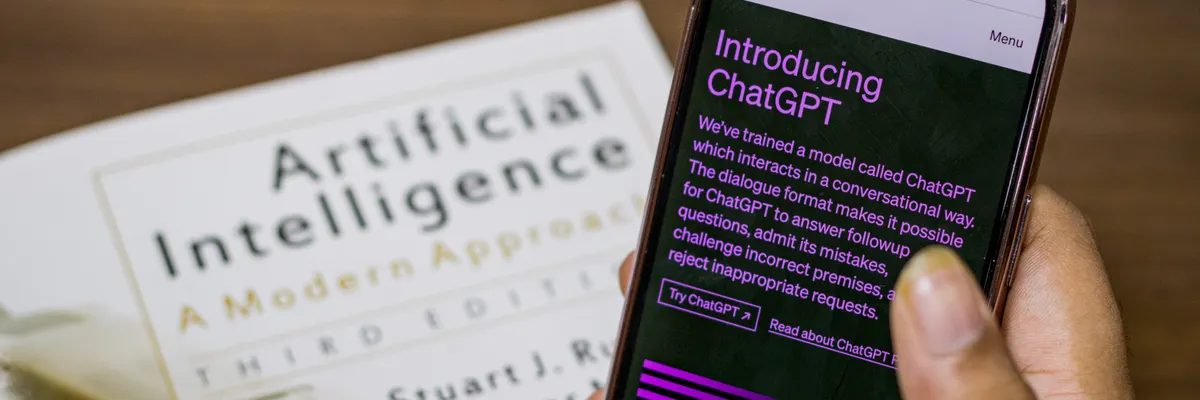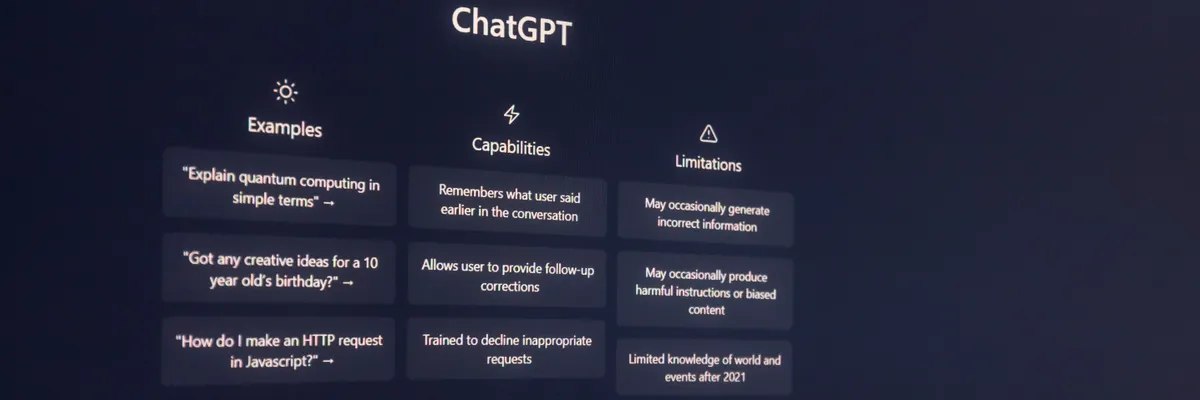
OpenAI is putting real money behind a bet that teachers, not just tech companies, should steer how artificial intelligence enters American classrooms. The company announced a five-year, $10 million partnership with the American Federation of Teachers (AFT) to create the National Academy for AI Instruction, a training hub aiming to reach 400,000 K-12 educators — roughly one in every ten teachers in the country.
The funding breaks down to $8 million in direct cash and $2 million in in-kind resources like engineering support, API credits, and computing access. The goal is refreshingly concrete: help teachers build and use AI tools in real classrooms, rather than just issuing vague policy papers. A flagship facility will open in New York City, with additional hubs planned around the U.S. by 2030. Microsoft and Anthropic are also backing the initiative, alongside the United Federation of Teachers.
There’s a pragmatic urgency here that’s easy to miss in the AI hype cycle. A recent Gallup study found that 6 in 10 educators already use an AI tool, reporting an average savings of six hours per week. That’s not theoretical potential — that’s time already being clawed back from lesson planning and administrative grind. But the flip side is equally pressing: how do you keep AI from becoming a shortcut that bypasses actual teaching, especially when answers are instantly accessible? OpenAI CEO Sam Altman framed it personally, citing his own high school computer science teacher who pushed him to experiment. “Educators make the difference,” he said, “and they should lead this next shift with AI.”
AFT President Randi Weingarten was characteristically direct about the stakes. “AI holds tremendous promise but huge challenges,” she said, insisting that “the direct connection between a teacher and their kids can never be replaced by new technologies.” The Academy will offer workshops, online courses, and hands-on sessions, with a stated priority on high-needs school districts. Whether this genuinely shifts power to educators or simply gives AI companies a friendly distribution channel into public schools is the question that will take five years to answer. I’d wager it’s a bit of both.