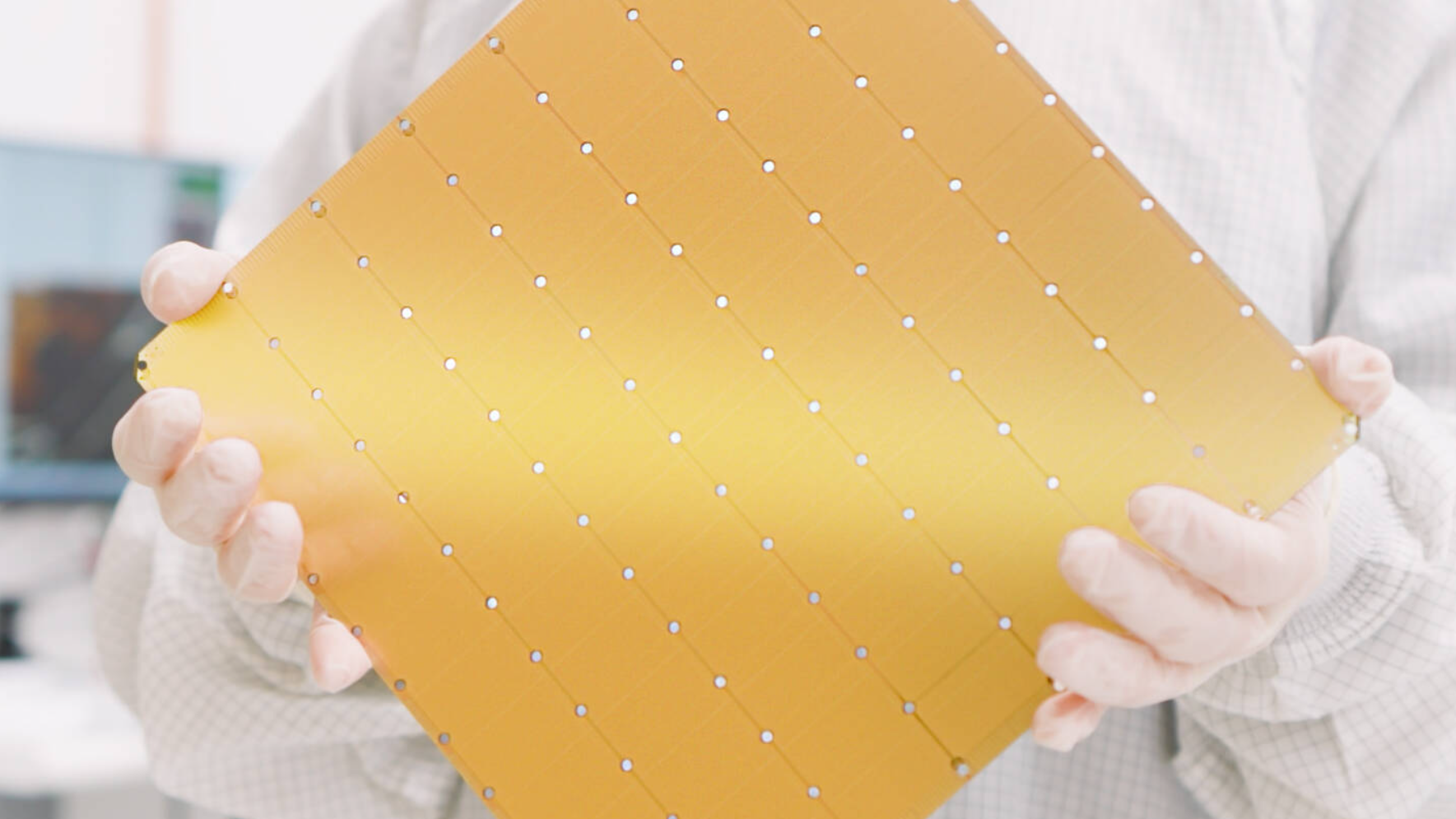
OpenAI dropped a hardware bombshell on Tuesday: its first custom AI chip, Jalapeño, is already embarrassing Nvidia’s best superchips on at least one benchmark. The company says the ASIC, built with Broadcom and first revealed in June, delivers 1.5 to 1.9 times more AI work per watt than Nvidia’s GB200 or GB300 systems when running GPT-OSS 120B, DeepSeek R1, and Kimi K2.5 1T models. Latency improvements are even more dramatic — 1.7 to 3.6 times lower end-to-end response times across those same models.
Hardware VP Richard Ho framed the results as solving a classic engineering dilemma. AI systems typically “have to make a trade-off” between latency and throughput, he told reporters. Jalapeño, he claimed, offers the “best of both worlds.” For users, that translates to snappier responses, more responsive agents, and better reliability when demand spikes. For OpenAI, it’s a shot across the bow of Nvidia’s dominance in inference hardware.
The deployment timeline is deliberately cautious. OpenAI plans to ship Jalapeño in “small volumes” by the end of 2025, then “ramp the volume up” into 2027. No specific chip counts were disclosed for next year, which is telling — this is a validation exercise, not yet a supply chain revolution. Ho was also quick to say OpenAI won’t abandon Nvidia entirely, calling the company a “very good partner.” That’s the diplomatic thing to say when your new chip outperforms your supplier’s flagship hardware on a public benchmark.
Second and third generations of Jalapeño are already in development, which suggests OpenAI sees this first version as a foundation rather than a destination. The real question is whether the performance gains hold up once Jalapeño moves from benchmark environments into production workloads serving millions of users. Every chip looks good in a controlled test. The next 18 months will show whether OpenAI can actually deliver on the promise — or if this is just another well-timed piece of leverage in its ongoing negotiations with Nvidia.