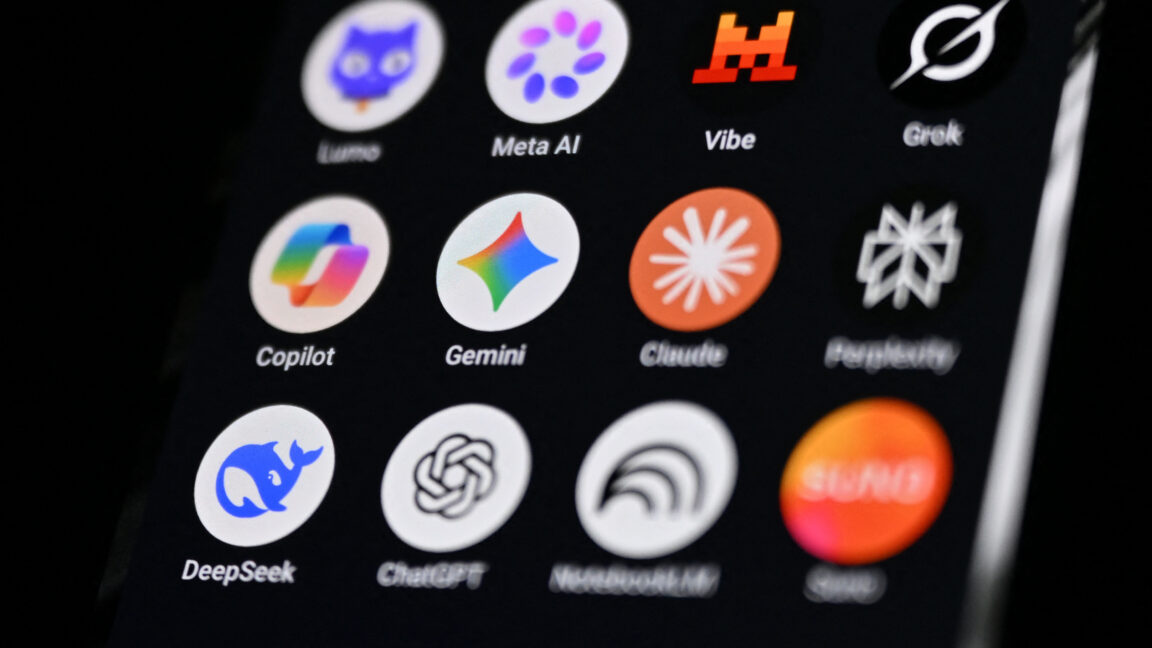
The price war in AI just got real. OpenAI said it’s cutting prices for GPT-5.6 Luna by 80 percent, while Anthropic launched Claude Opus 5 at half the cost of its most capable model, Fable 5. Neither company is being subtle about the reason: corporate customers are bolting for cheaper Chinese alternatives, and the Silicon Valley labs are scrambling to keep them.
Silicon Data’s token price index shows the damage. Prices for models from leading US labs have dropped almost a quarter since mid-July. Tokens — the units of data that determine most customers’ bills — are getting cheaper fast. The pressure is coming from Chinese developers like Moonshot and DeepSeek, whose increasingly capable open models can be downloaded and modified for free. That’s a structural advantage proprietary US labs simply cannot match on price alone.
Meanwhile, OpenAI and Anthropic are both plotting IPOs at trillion-dollar valuations. Investors want evidence that the industry’s enormous spending on compute and research can actually generate returns. But the billing shift from flat subscriptions to usage-based pricing has made corporate AI costs far more visible — and painful. When every query has a meter running, finance teams start asking questions. DoorDash and Airbnb have both confirmed they’re testing Chinese-made models to control costs.
The uncomfortable reality is that Chinese labs have narrowed the performance gap while undercutting on price. US developers are now in a squeeze: spend heavily to maintain a technological edge that customers increasingly won’t pay a premium for. The question isn’t whether prices keep falling — it’s whether the performance lead that justifies premium pricing survives long enough for these IPO valuations to make sense.