The quantum computing threat to encryption just got a concrete timeline, and it’s not as distant as some executives hoped. In late 2024, the Global Risk Institute surveyed 32 quantum computing experts and asked a simple question: when could a quantum computer break a 2048-bit RSA key within 24 hours? The answer landed at an even 50-50 probability by 2040. That number matters because it moves the conversation from theoretical doom to practical deadline.
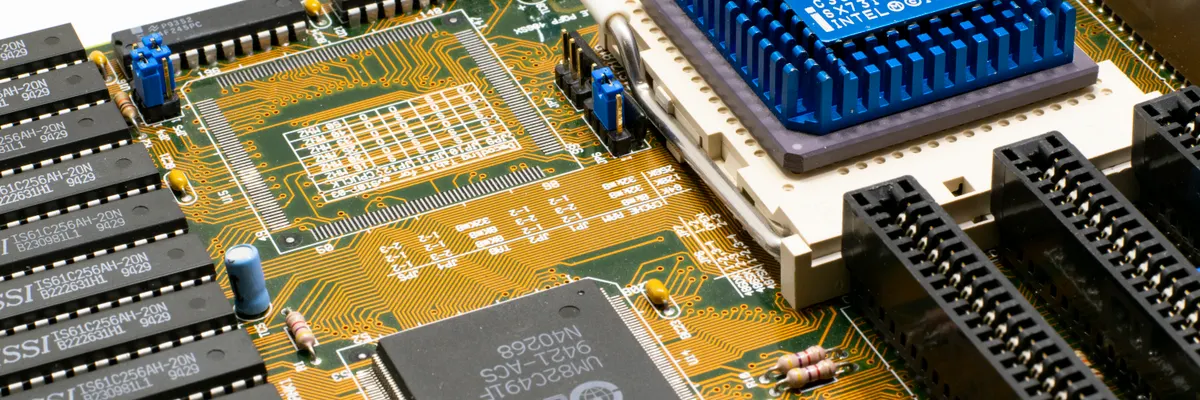
Intel is positioning itself as the infrastructure provider for this transition, and the company claims it’s already shipping quantum-resistant technology rather than promising it. The Xeon 6 processor includes quantum-safe memory encryption using AES-256 and microcode signing to protect processor integrity. Future platforms will extend post-quantum algorithms to firmware signing, device interconnects, attestations, and secure boot functions. Intel is also deploying dedicated cryptographic accelerators and QuickAssist Technology to offset the heavier computational overhead that post-quantum algorithms demand.
Government timelines are setting the pace. Starting January 2027, new National Security Systems acquisitions must support CNSA 2.0 requirements for NIST-standardized PQC algorithms. Full implementation follows by 2031, with 100% adoption targeted by 2035. For commercial enterprises, these dates aren’t mandates, but they function as signposts for where vendors, auditors, and standards bodies are headed. The article frames PQC as “a manageable evolution, not a crisis” and emphasizes a phased approach rather than emergency reaction.
The real near-term concern is “harvest now, decrypt later” attacks, where adversaries collect encrypted data today and wait for quantum capability to arrive. That’s particularly relevant for data requiring confidentiality beyond ten years, which now covers a lot of corporate secrets. The article is sponsored content from Intel, so the product claims deserve appropriate skepticism, but the 2040 estimate from independent researchers gives the PQC conversation a credibility boost that pure vendor marketing lacks.