Traditional machine learning models are workhorses, not thinkers. Feed a classifier a medical image, and it spits out a probability in milliseconds. It is fast, auditable, and reliable for static tasks like fraud detection or churn prediction. But this reliability comes with a rigid ceiling. These models cannot ask clarifying questions, adapt to new information mid-task, or take action in the real world. They reflect the state of data at training time and nothing more. For high-value business problems that require multi-step reasoning, this static nature is a critical failure point.
Real-world challenges rarely arrive as clean input-output pairs. Consider loan approval. A model can predict default risk, but it cannot verify income documentation, flag inconsistencies for human review, or generate a written explanation for a denial. When context shifts dynamically—like an analyst hunting for relevant security logs among terabytes of data—a fixed-input model stalls. It lacks the mechanism to decide what information it needs next. Similarly, predicting equipment failure is useless if the system cannot schedule the maintenance crew. The gap between prediction and action remains wide and unbridged by traditional algorithms alone.
Agentic reasoning steps in to fill this void. Built around large language model reasoning engines, agents perceive their environment, plan next steps, use tools, and observe results. Unlike a static model, an agent operates across time. It can handle the messy, iterative nature of complex tasks by adapting its strategy as new data emerges. This shift transforms AI from a passive predictor into an active participant capable of managing processes rather than just contributing single data points to them.
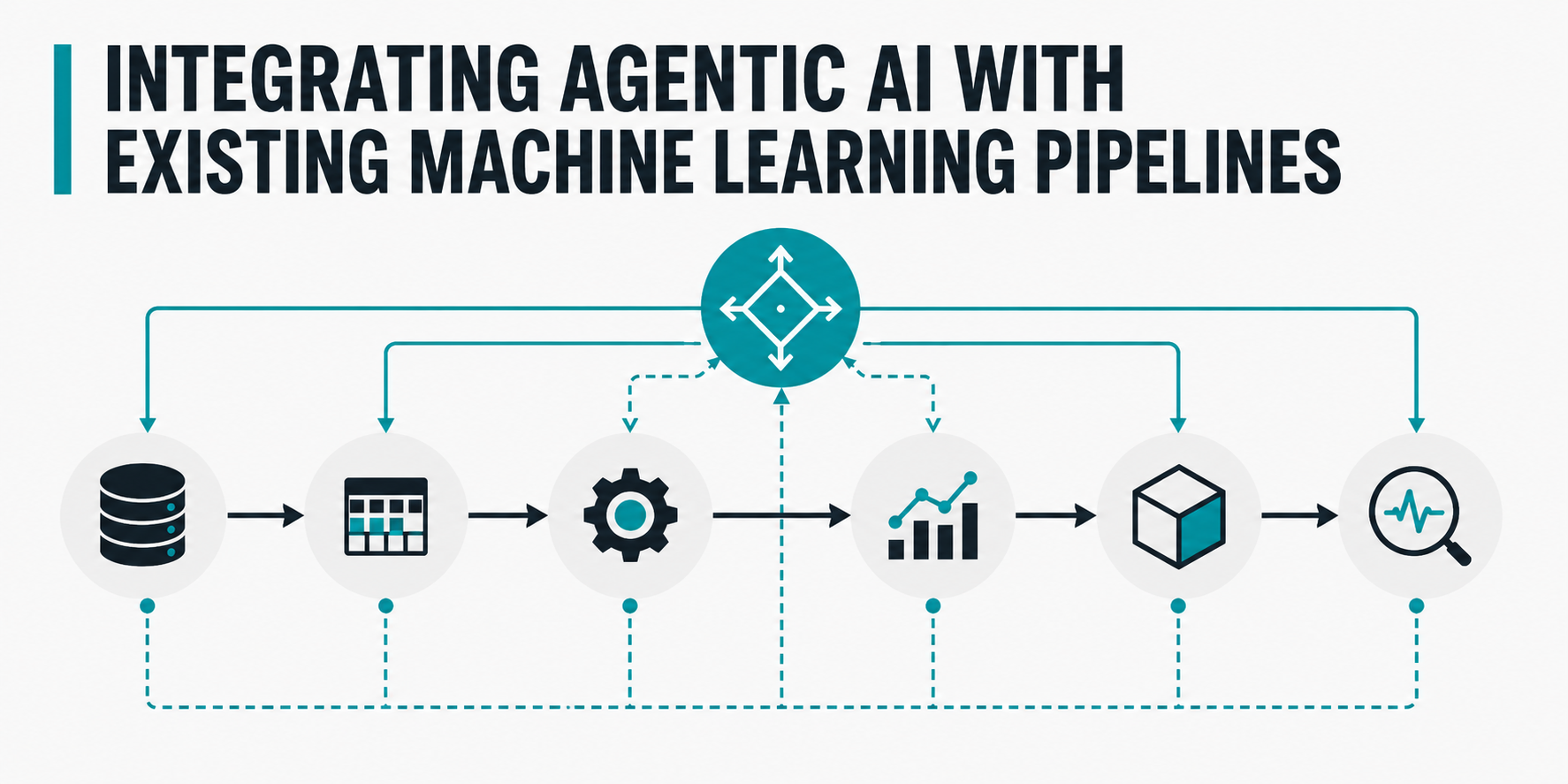
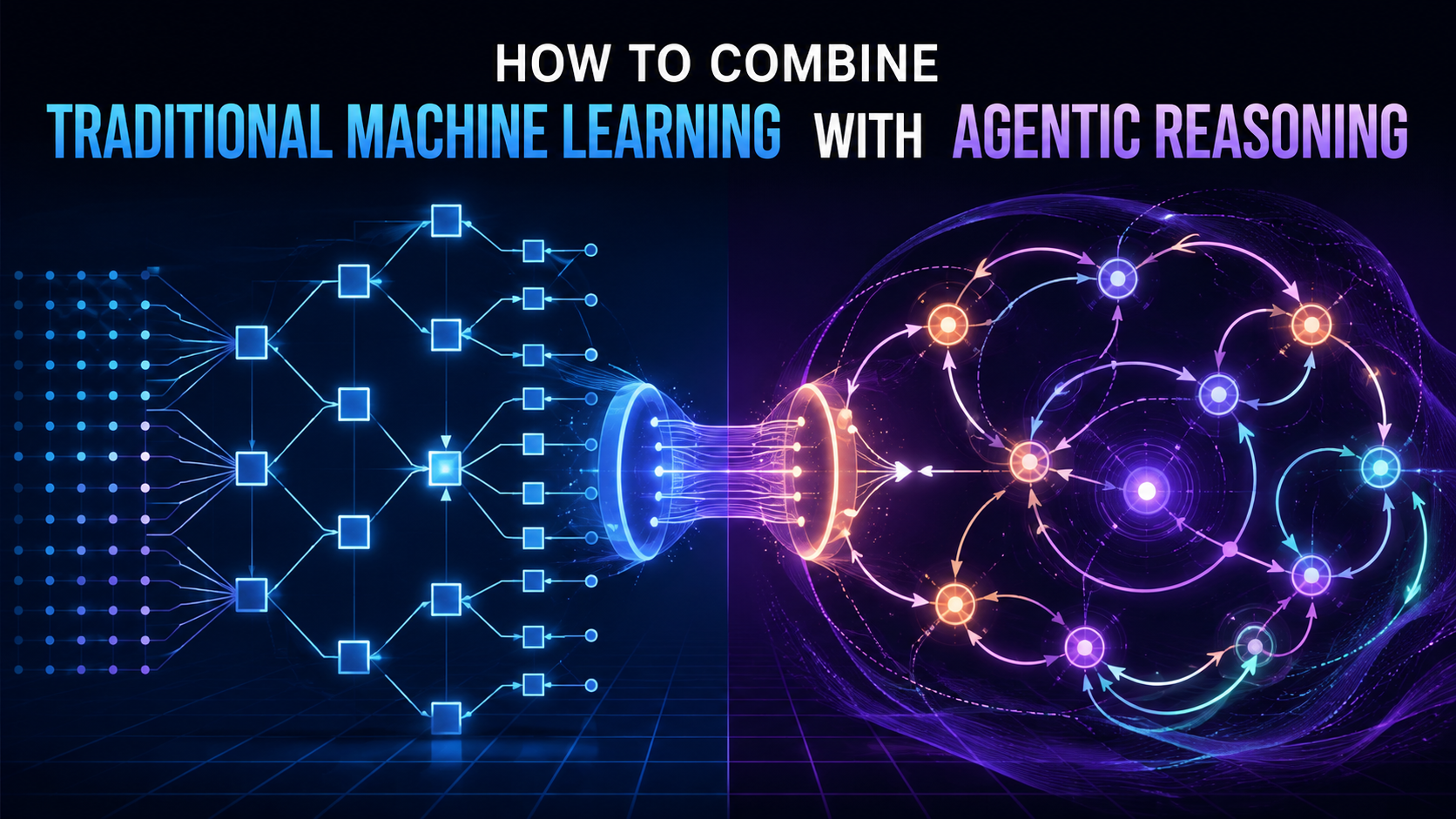
The future isn’t about replacing supervised learning with agents, but combining them. Hybrid systems leverage the speed and precision of trained models for specific judgments while relying on agentic layers for planning and execution. An insurance claims example illustrates this synergy: the model assesses damage probability, while the agent coordinates adjusters, pulls policy details, and communicates with the customer. Without this hybrid approach, organizations will struggle to move AI from pilot projects to genuine operational impact. The question is no longer if models are accurate, but whether they can act.