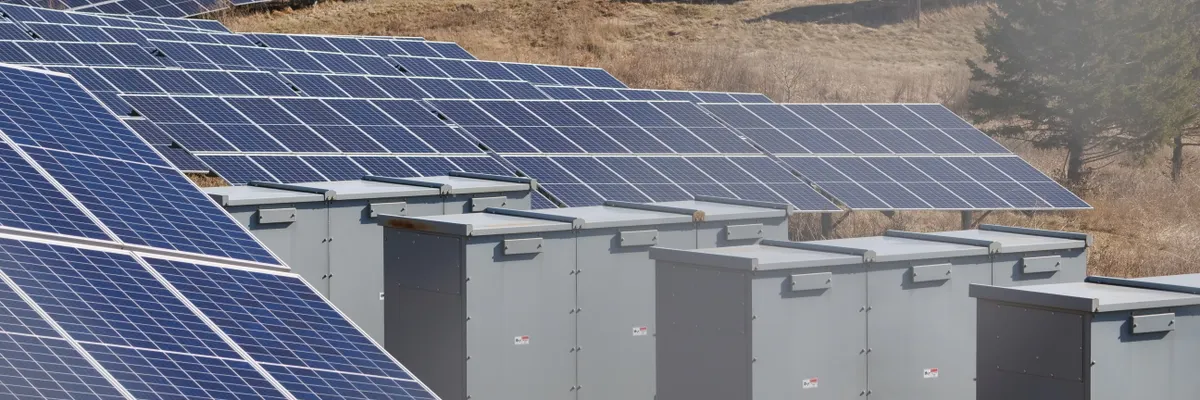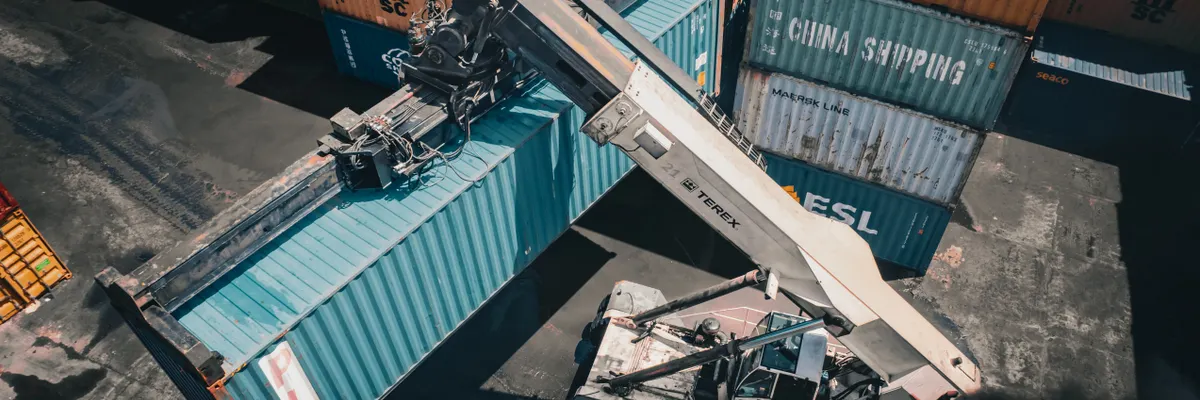
The US energy storage sector is hitting record growth, driven largely by affordable Chinese cells that keep grid expansion economically viable. But that momentum just hit a wall. A late August executive order from the Trump administration declares a national emergency, effectively banning Chinese-made batteries from grid-scale systems. This isn’t just another tariff tweak; it’s a hard stop on equipment deemed a national security risk, including inverters and transformers. The move forces a stark choice: accept higher costs for domestic or allied supply chains, or stall the renewable transition.
Policy tools have been tightening for years. The Inflation Reduction Act already restricted tax credits based on mineral sourcing and assembly locations. New legislation raises the bar further, requiring 55% of material costs to come from non-restricted countries by 2026. Tariffs on battery imports also jumped to 25% in January. Yet analysts say the outright ban is a shock. Shan Tomouk of Benchmark Mineral Intelligence notes the surprise, warning it creates uncertainty for domestic players. BloombergNEF predicts immediate deployment slowdowns as developers wait for Department of Energy guidance expected by year-end.
The logistical reality is messy. Most existing grid storage plants use Chinese batteries. Strict enforcement would technically require ripping them out, an absurdity BloombergNEF’s Isshu Kikuma highlights. While retroactive removal is unlikely, new projects face cancellations or costly delays. Domestic capacity is growing, with LG Energy Solutions, Samsung SDI, Ford, and SK On ramping up production. Some EV battery lines are even retooling for grid storage due to slower auto demand. But US-made cells remain significantly pricier than Chinese imports.
Full domestic self-sufficiency won’t arrive until the 2030s, leaving a multi-year gap where demand outstrips local supply. The US is betting that strategic independence outweighs short-term economic pain. But with China dominating global manufacturing through years of state support, decoupling isn’t cheap. The grid needs storage now to handle intermittent wind and solar. Forcing a switch to costlier alternatives risks slowing the very emissions cuts these policies aim to accelerate. We are trading speed for security, and the bill is coming due.